Scotland could host opening game of 2030 Women's World Cup under UK bid plans
Culture Secretary Lucy Frazer confirms talks with FIFA over joint UK-Ireland proposal that would see key matches played in Glasgow, Edinburgh and Aberdeen.
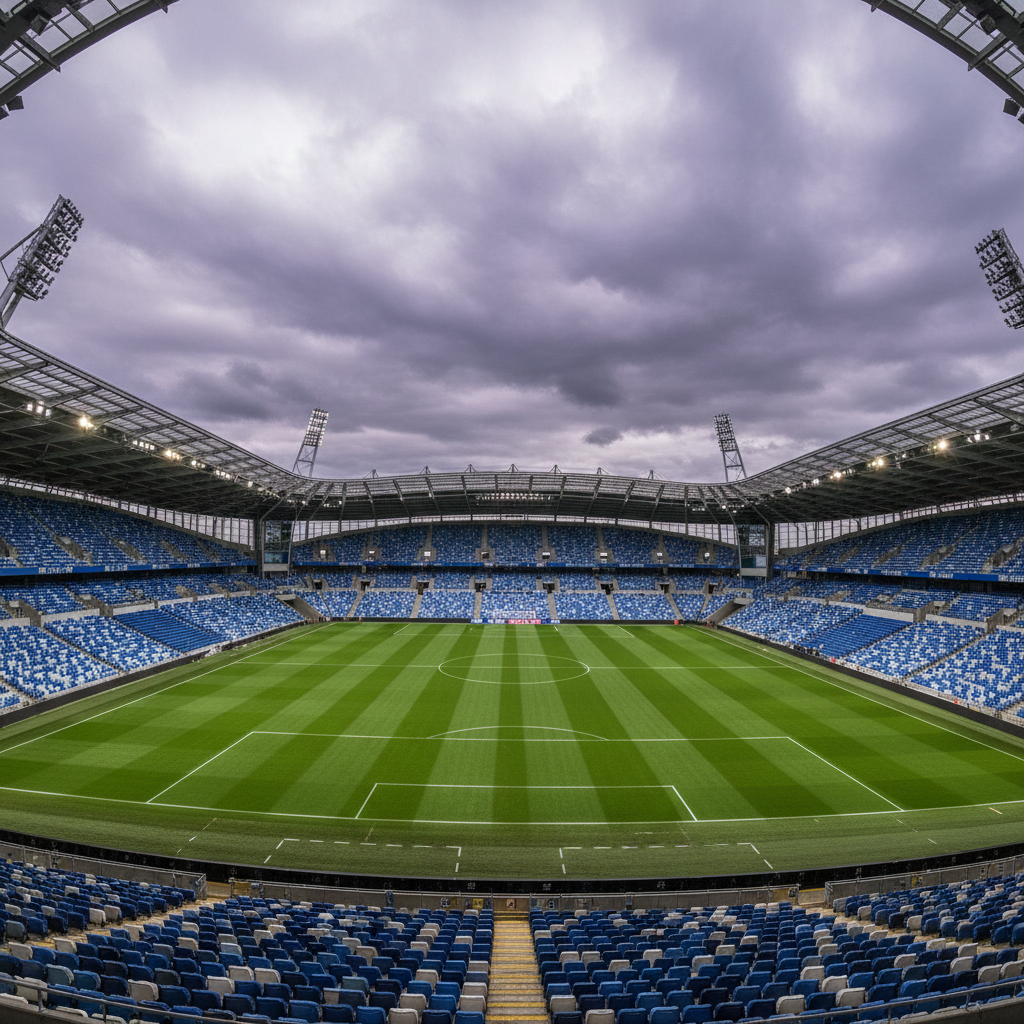
The UK government has opened formal discussions with FIFA and UEFA about mounting a joint bid to host the 2030 Women's World Cup, with Scotland positioned to stage several marquee fixtures including a potential opening match.
Culture Secretary Lucy Frazer confirmed on 27 May that ministers are exploring a UK-Ireland partnership model similar to the upcoming Euro 2028 tournament, which would see upgraded stadiums in Glasgow, Edinburgh and Aberdeen host games alongside English venues across the home nations.
Scottish FA welcomes transformational opportunity
Scottish Football Association chief executive Ian Maxwell revealed his organisation has been approached informally about Scotland's involvement in the proposed bid. Maxwell described the prospect of hosting Women's World Cup fixtures as a "transformational opportunity" for the women's game in Scotland.
Maxwell emphasised the potential economic and social benefits, noting that Scotland's women's national team has experienced unprecedented growth in support and performance in recent years. The SFA chief highlighted how hosting major fixtures could inspire a new generation of female players across Scotland's grassroots football network.
The early-stage discussions mark a significant shift in approach from previous major tournament bids, with Scottish venues being considered for high-profile matches rather than serving as overflow capacity for English-based competitions. This represents a departure from traditional tournament hosting models where Scotland has often played a supporting role to England-based events.
Stadium infrastructure and capacity considerations
Government ministers are framing the 2030 Women's World Cup proposal as a natural progression from Euro 2028, which will see matches played across the UK and Ireland, and the men's 2026 World Cup taking place in North America.
Hampden Park in Glasgow, with its 51,866 capacity, would likely serve as Scotland's primary venue, potentially hosting the opening ceremony and match if the bid succeeds. Edinburgh's Easter Road and Aberdeen's Pittodrie Stadium are also under consideration, though both would require significant upgrades to meet FIFA's technical requirements for Women's World Cup venues.
The timing allows organisers to leverage infrastructure investments already planned for Euro 2028, particularly stadium upgrades in Scottish cities that could meet FIFA's requirements for Women's World Cup venues. Transport Scotland has indicated that connectivity improvements planned for Euro 2028 would benefit any subsequent World Cup hosting arrangements.
Frazer emphasised that Scotland should not be treated as "an afterthought" in any FIFA negotiations over hosting a Women's World Cup on British and Irish soil, signalling the government's commitment to ensuring meaningful Scottish involvement from the outset.
Economic impact and legacy planning
The push comes as Scotland prepares to watch the 2026 men's World Cup from the sidelines, with the tournament taking place across the United States, Canada and Mexico. The women's tournament bid represents an opportunity for Scottish football to take centre stage on the global scene.
Economic analysts estimate that hosting Women's World Cup matches could generate between £15-25 million for the Scottish economy, based on projected visitor numbers and spending patterns from previous tournaments. The Scottish government has commissioned preliminary feasibility studies to assess the full economic potential of hosting fixtures across multiple Scottish cities.
The proposed model would distribute matches across multiple home nations, potentially giving Scottish fans their first taste of World Cup football on home soil since the men's tournament considerations of previous decades. This geographic spread aims to maximise the tournament's reach and ensure benefits extend beyond traditional football strongholds.
Competition from other potential hosts
While talks remain at an exploratory stage, the UK government's early engagement with FIFA suggests serious intent behind the proposal. The 2030 Women's World Cup bidding process has yet to be formally opened by FIFA, giving potential hosts time to develop comprehensive proposals.
Brazil has already expressed strong interest in hosting the 2030 tournament, leveraging its successful staging of the 2014 men's World Cup and upcoming infrastructure developments. Several European nations, including Germany and joint Nordic bids, are also expected to enter the competition when FIFA opens formal bidding procedures.
The success of any UK-Ireland bid would depend on demonstrating adequate infrastructure, security arrangements and commercial viability across all proposed host nations. Government officials point to the UK's proven track record in delivering major sporting events, from the 2012 Olympics to the recent Euro 2020 fixtures, as evidence of organisational capability.
Timeline and decision process
According to the BBC Sport report, officials are confident the Euro 2028 preparations provide a strong foundation for the expanded Women's World Cup proposal. The overlap in planning timelines could create operational efficiencies and reduce overall hosting costs.
FIFA is expected to announce the bidding timeline for the 2030 Women's World Cup later this year, with a decision likely to follow in 2027 or early 2028. This schedule would give successful bidders approximately two years to finalise preparations, similar to the lead time provided for recent major tournaments.
The UK government plans to submit a formal expression of interest within six months of FIFA opening the bidding process, with detailed technical and financial proposals to follow by early 2026.