Emma Roddick elected Scottish Greens co-leader as party charts independent course
Highlands and Islands MSP wins party-wide ballot alongside Patrick Harvie, signalling shift from power-sharing to campaigning stance.
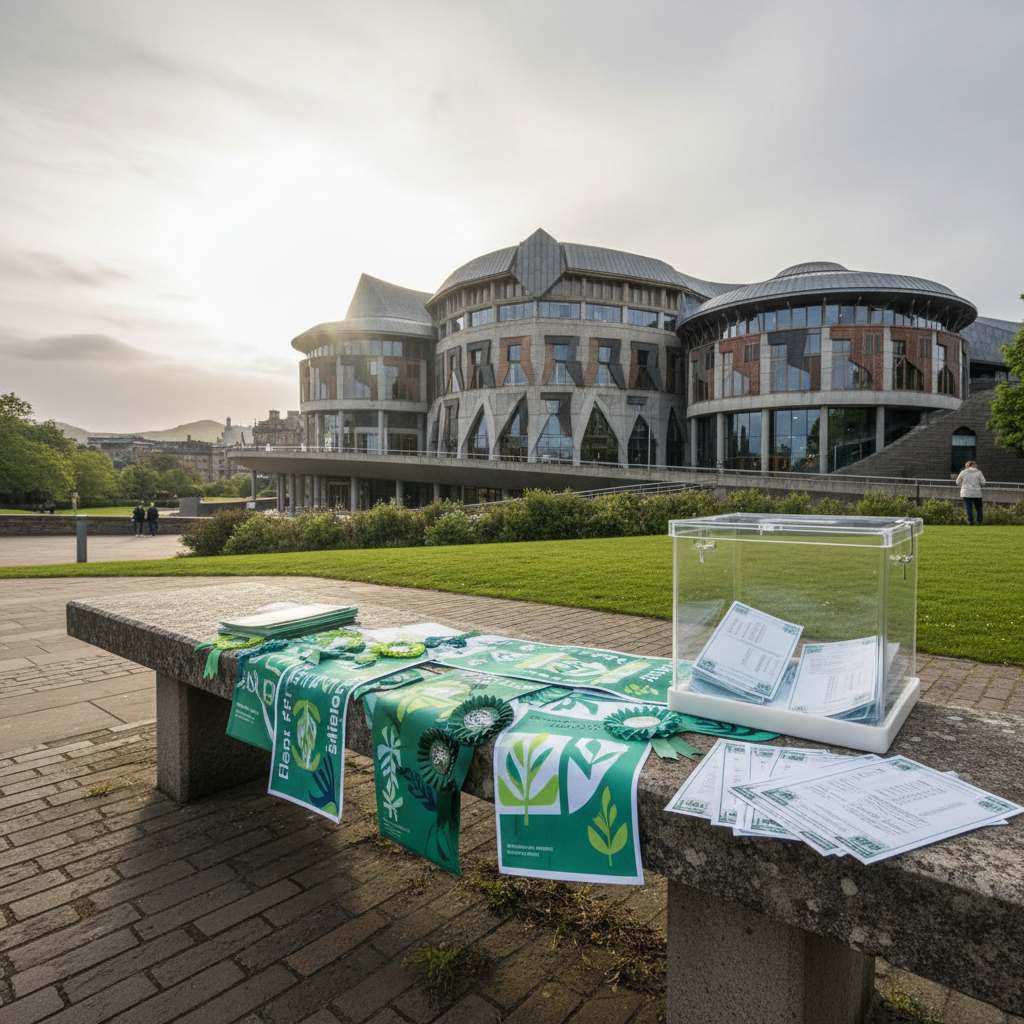
Highlands and Islands MSP Emma Roddick has been elected as the new co-leader of the Scottish Greens, replacing Lorna Slater after a closely watched internal contest that concluded on 31 May. Roddick won the party-wide ballot alongside continuing co-leader Patrick Harvie, with results announced at a members' event in Glasgow.
The leadership vote follows the Greens' decision in April to quit the Bute House Agreement power-sharing deal with the SNP, triggering a formal review of the party's role in Scottish government. Roddick's election marks a potential turning point for the party as it navigates its relationship with the SNP ahead of the next Holyrood election.
New Direction for Post-Bute House Greens
In her first speech as co-leader, Roddick signalled a shift towards a "more independent, campaigning" stance while leaving the door open to future cooperation with the SNP on climate and equality legislation. This approach represents a departure from the formal coalition arrangement that saw Green ministers serve in Nicola Sturgeon's government.
The leadership change comes at a crucial juncture for the party, which must now define its role as an opposition force while maintaining influence on key policy areas. Roddick's election suggests members favour a more autonomous approach that preserves the party's distinct identity whilst remaining open to strategic alliances. Her victory speech emphasised the need for the party to "reclaim our voice" on environmental and social justice issues without the constraints of formal government partnership.
Party sources indicate that Roddick's campaign focused heavily on rebuilding grassroots engagement and strengthening the party's activist base, areas that some members felt had been neglected during the coalition period. This grassroots emphasis could prove crucial as the party seeks to mobilise supporters ahead of future electoral contests.
Member Reaction and Internal Dynamics
The leadership contest generated significant engagement among Green party members, with turnout figures suggesting strong interest in the party's future direction. Several prominent party figures publicly backed Roddick's candidacy, citing her experience in rural constituencies and her track record on environmental campaigning.
Local Green party branches across Scotland have welcomed the result, with many expressing optimism about the party's renewed focus on campaigning and policy development. Members in urban constituencies particularly praised Roddick's commitment to maintaining the party's progressive stance on social issues while strengthening its environmental credentials.
The smooth transition from Slater to Roddick has been viewed positively within party circles, with observers noting the absence of the factional disputes that have affected other Scottish political parties during leadership changes. This unity could prove valuable as the party seeks to present a coherent alternative to voters disillusioned with both SNP and Labour positions.
Holyrood Dynamics Under Scrutiny
Scottish political commentators say the result will shape Holyrood dynamics ahead of the next Scottish Parliament election, particularly on climate targets and gender reform debates. The Greens' withdrawal from the Bute House Agreement has already altered the parliamentary arithmetic, forcing the SNP to seek support on a case-by-case basis.
Roddick's background as Highlands and Islands MSP brings particular expertise on rural and environmental issues that could prove valuable as the party repositions itself. Her constituency work has focused heavily on renewable energy projects, rural transport links, and housing challenges facing island communities. This experience could inform the party's approach to Scotland-wide policy development.
Opposition parties have already begun adjusting their strategies in response to the Greens' new positioning, with Labour and Conservative MSPs seeking to exploit potential policy gaps between the SNP and their former coalition partners. The changed dynamics could create new opportunities for cross-party cooperation on specific issues.
Context of Power-Sharing Exit
The April decision to quit the Bute House Agreement followed mounting tensions over policy differences and the party's desire to maintain its independence. The formal review of the party's role in Scottish government that followed has now culminated in this leadership change, with members clearly backing a more autonomous approach.
The power-sharing arrangement had given the Greens unprecedented influence in Scottish government, with ministers holding portfolios including circular economy and biodiversity. However, the party faced criticism from some quarters about compromising its principles within the constraints of coalition government. Internal party documents from the review period highlighted concerns about the party's ability to maintain its distinct policy positions while serving in government.
Former Green ministers have defended their record in government, pointing to achievements in active travel funding, biodiversity protection measures, and circular economy initiatives. These policy wins will likely form part of the party's electoral platform as it seeks to demonstrate its capacity for effective governance while maintaining independence.
Strategic Implications for Climate Policy
Roddick's commitment to maintaining cooperation on climate and equality legislation suggests the Greens will continue to play a significant role in these policy areas despite their opposition status. This selective engagement approach could prove influential in shaping government policy whilst preserving the party's campaigning credentials.
The new co-leader has already indicated plans to push for more ambitious climate targets and faster implementation of renewable energy projects, areas where the party believes it can distinguish itself from SNP policy. Her rural constituency experience provides credibility on issues such as community energy schemes and just transition policies for oil and gas workers.
Climate policy experts suggest that the Greens' opposition status could actually strengthen their influence on environmental legislation, allowing them to propose more radical measures without the constraints of government collective responsibility. This positioning may prove attractive to environmental campaigners who felt the party's government role had moderated its policy ambitions, according to the BBC report.
The new co-leader's emphasis on independence may appeal to Green supporters who felt the party had become too closely associated with SNP policies during the coalition period. This positioning could prove crucial as both parties compete for similar voter demographics in future elections, with climate action remaining a key battleground issue that will define Scottish politics in the run-up to the next Holyrood contest scheduled for 2026.