SNP holds Inverness Central ward in closely watched Highland Council by-election
Calum MacLeod secures victory with 39% of first preferences as opposition parties fail to capitalise on nationalist turbulence.
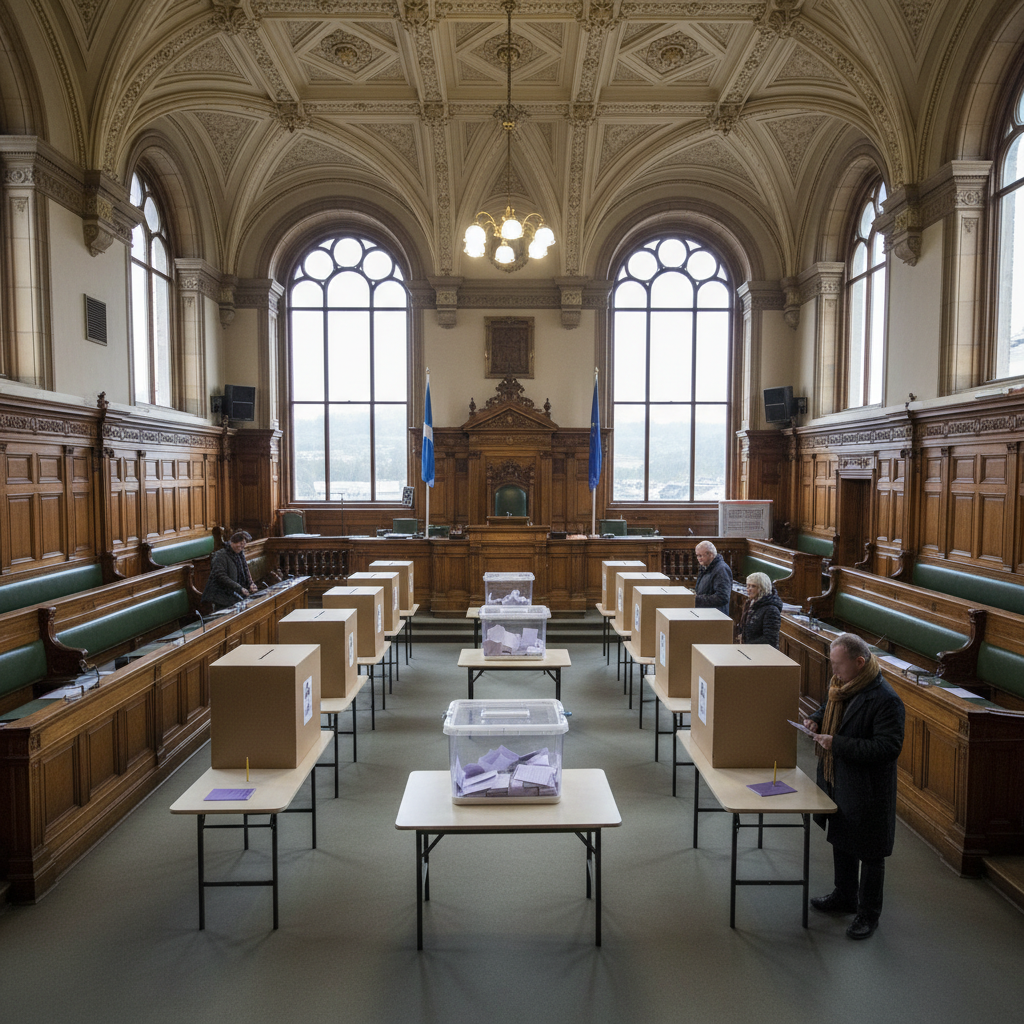
The Scottish National Party retained the Inverness Central ward in Thursday's Highland Council by-election, with candidate Calum MacLeod securing victory on 39% of first-preference votes after transfers under the single transferable vote system.
MacLeod defeated challengers from Scottish Labour, the Scottish Conservatives, the Scottish Greens and an independent candidate in the contest triggered by Emma Roddick's resignation in April. Roddick, who had served as an independent councillor, stepped down following her election as Scottish Greens co-leader, creating the political reshuffle that necessitated the by-election.
Turnout and Vote Share Analysis
With turnout reported at just over 40%, the result delivered a mixed message for Scotland's governing party. While the SNP maintained control of the seat, analysts noted their vote share had dipped slightly from the 2022 local elections, though not sufficiently to hand opposition parties a breakthrough.
The contest was closely watched as an early barometer of voter sentiment in the Highlands, a region that has historically provided strong backing for independence but where recent political instability has raised questions about nationalist support. The 39% first-preference share represented a notable decline from the SNP's stronger performance in previous Highland contests, suggesting potential erosion in their traditional stronghold.
Labour's candidate finished second in the count, while the Conservative and Green candidates struggled to gain significant traction despite hopes that SNP difficulties might create opportunities for opposition gains. The independent candidate, standing without major party backing, secured a modest but respectable showing that reflected local dissatisfaction with established political options.
Political Reshuffling in the Highlands
Roddick's departure marked a significant shift in Highland Council dynamics. Her transition from independent councillor to Scottish Greens co-leader reflected the ongoing realignment within Scotland's pro-independence movement, particularly as tensions between the SNP and Greens have intensified over policy differences on issues ranging from gender recognition to environmental policy.
The by-election provided the first electoral test of how these internal divisions might affect voter behaviour at the local level. Opposition parties had hoped to exploit any potential weakness in the nationalist vote, but failed to make the decisive gains that might have signalled broader trouble for the SNP across Highland constituencies.
Highland Council has become increasingly fragmented in recent years, with no single party holding overall control. The council operates through coalition arrangements that have shifted multiple times since the 2022 local elections, reflecting broader instability in Scottish local government as traditional party loyalties weaken.
Opposition Response and Campaign Dynamics
Scottish Labour, the Conservatives and Greens all fielded candidates in what became a five-way contest. The presence of both SNP and Green candidates highlighted the fractured nature of the independence movement, with former allies now competing directly for pro-independence votes in a ward where such support had previously been consolidated.
Labour campaigned heavily on local issues including housing shortages and transport links, attempting to shift focus away from constitutional questions that have dominated Highland politics. The Conservative candidate emphasised fiscal responsibility and opposition to independence, while seeking to capitalise on concerns about SNP governance at both local and national levels.
The Green campaign faced the particular challenge of establishing distinct identity from both the SNP and Roddick's previous independent stance, with environmental policies and progressive social positions forming the core of their local appeal. However, the party's recent tensions with the SNP over the Bute House Agreement termination appeared to limit their ability to attract disaffected nationalist voters.
Implications for Holyrood and Beyond
The Inverness Central outcome will be scrutinised at Holyrood as politicians attempt to gauge public mood ahead of future electoral tests. For the SNP, holding the seat provides evidence that their grassroots support network can still deliver results despite leadership changes and policy disagreements with former Green allies.
However, the reduced vote share may concern party strategists who recognise that even small shifts in support could prove costly in more marginal constituencies. The result comes at a crucial time for First Minister Humza Yousaf, who has faced pressure over his handling of the Green partnership and broader questions about SNP direction.
Opposition parties will draw different lessons from the contest. Labour's second-place finish suggests potential for growth in Highland constituencies, while Conservative performance indicated limited immediate prospects for breakthrough in traditionally nationalist areas. The Green showing, meanwhile, reflected the challenges facing smaller parties in establishing independent electoral identity.
According to the BBC report, the result represents an early indicator of voter sentiment following months of instability within Scotland's pro-independence parties, with implications extending beyond Highland Council chambers.
The by-election result maintains the political status quo in Highland Council while offering limited comfort to all parties involved. For the SNP, survival in a key Highland ward demonstrates continuing electoral viability, but the narrowed margin suggests the party cannot take traditional strongholds for granted as Scotland's political landscape continues to evolve ahead of the next Holyrood elections.