Scottish farmers face uncertain future as UK food security warnings intensify
Trade bodies urge Westminster to prioritise food security as 'immediate national priority' amid concerns over supply chain vulnerabilities and rising costs.
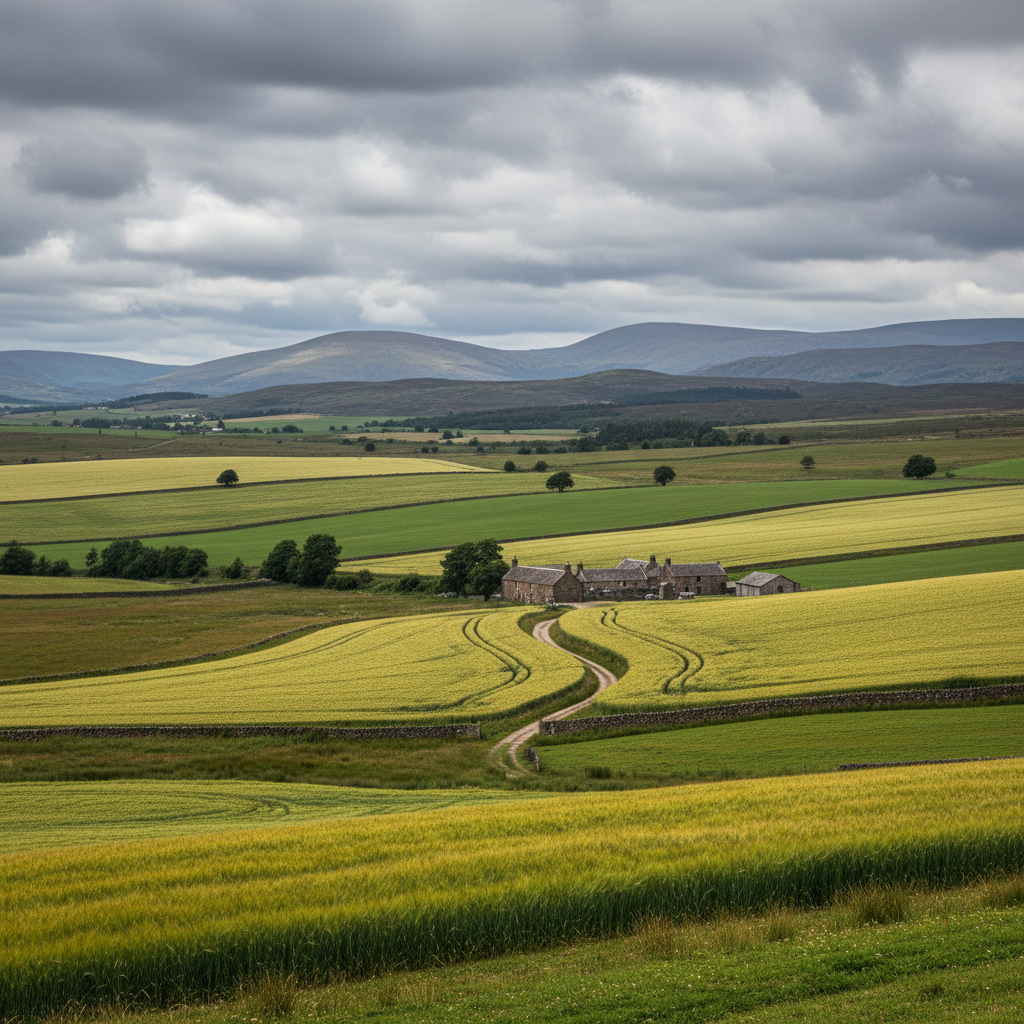
The Food and Drink Federation and allied industry groups warned UK ministers on 6 June that food security must become an 'immediate national priority', citing government complacency that leaves supply chains vulnerable to global shocks and climate risks. The intervention highlights growing concerns about domestic food production capacity and its implications for Scottish agriculture and consumers.
Trade bodies representing the food industry said years of underinvestment, labour shortages and rising input costs are undermining domestic production whilst increasing reliance on imports. They called for a coherent national food strategy that includes support for UK farmers, incentives for sustainable production and better coordination between departments responsible for trade, environment and agriculture.
Industry concerns over supply chain resilience
The warnings reflect mounting anxiety within the agricultural sector about Britain's ability to feed itself during crises. Recent conflicts and extreme weather events have already disrupted supplies of staple foods, prompting government officials to model worst-case scenarios involving shortages and price spikes.
For Scotland's farming communities, these vulnerabilities present particular challenges given the country's distinct agricultural profile and reliance on certain imported inputs. Scottish producers have already experienced labour shortages in sectors such as fruit picking and food processing, whilst rising energy and fertiliser costs have squeezed margins across dairy, livestock and crop production.
The situation has been compounded by Brexit-related disruptions to traditional supply chains and labour markets. Many Scottish farms previously relied on seasonal workers from EU countries, whilst trade arrangements with European suppliers have become more complex and costly. These factors have combined to create what industry representatives describe as a perfect storm of challenges facing domestic food production.
Westminster's response under scrutiny
The industry intervention comes amid criticism that successive UK governments have failed to develop a comprehensive food security strategy. Trade bodies argue that departmental silos between agriculture, trade and environmental policy have prevented coordinated action on supply chain resilience.
Scottish agricultural representatives have previously expressed frustration with Westminster's approach to food policy, particularly regarding post-Brexit trade arrangements and environmental regulations that affect farming practices. The latest warnings suggest these concerns extend beyond regulatory frameworks to fundamental questions about production capacity and strategic planning.
The Food and Drink Federation's call for immediate action reflects growing impatience with what industry leaders see as piecemeal responses to systemic challenges. They argue that without a unified approach across government departments, the UK will remain vulnerable to supply shocks that could have been mitigated through better planning and investment in domestic capacity.
Critics point to the contrast with other European nations that have developed comprehensive food security strategies following recent supply chain disruptions. France and Germany have both announced significant investments in agricultural resilience, whilst the UK continues to rely on market mechanisms that may prove inadequate during crises.
Climate risks and global supply disruption
The Food and Drink Federation's intervention reflects broader recognition that climate change and geopolitical instability pose increasing threats to food systems. Extreme weather events have already affected harvests across Europe, whilst conflicts in key producing regions have disrupted grain and fertiliser supplies.
Scotland's agricultural sector faces specific climate-related challenges, including changing precipitation patterns affecting crop yields and livestock farming. Rising temperatures may benefit some crops but could also increase pest pressure and disease risks, requiring adaptation strategies that depend partly on government support and research funding.
The recent disruption to Ukrainian grain exports has highlighted how quickly global supply chains can be affected by geopolitical events. Scotland imports significant quantities of animal feed and fertiliser from regions that could face similar disruptions, making domestic producers vulnerable to sudden price increases or availability issues.
Weather-related crop failures in major producing regions have already led to volatility in commodity markets, affecting everything from wheat prices to livestock feed costs. Scottish farmers report that input costs have risen by 30-40% in some sectors, squeezing profitability and threatening the viability of smaller operations.
Implications for Scottish food policy
The industry warnings raise questions about whether Scotland needs its own food security strategy to complement or compensate for UK-wide policy gaps. Holyrood already has devolved responsibility for agriculture and rural development, but food security planning involves reserved matters including trade policy and emergency planning.
Scottish consumers could face particular exposure to supply disruptions given the country's geographic position and dependence on distribution networks that often route through England. The country's reliance on just-in-time delivery systems means that even short-term disruptions could quickly affect supermarket shelves and food service operations.
Rural communities in Scotland may be especially vulnerable to supply chain disruptions, given their distance from major distribution centres and limited alternative supply routes. Islands and remote areas already face higher food costs due to transportation challenges, and any broader supply chain stress could exacerbate these existing inequalities.
According to The Guardian report, officials are already modelling scenarios involving shortages and price spikes, though the specific implications for different regions remain unclear.
The industry's call for immediate action suggests that without coordinated intervention, Scottish farmers and consumers may face increasing uncertainty about food availability and affordability in coming years. Whether Westminster responds with the comprehensive strategy that trade bodies demand, or whether Holyrood develops complementary Scottish measures, could determine how well the country weathers future supply chain shocks. The window for preventive action may be narrowing as global instability increases and climate impacts intensify across agricultural regions worldwide.