Planning Inspectorate rejects Merkur Slots 24-hour opening appeal
The decision backs local planners who refused the proposal over concerns about noise and disturbance to nearby residents.
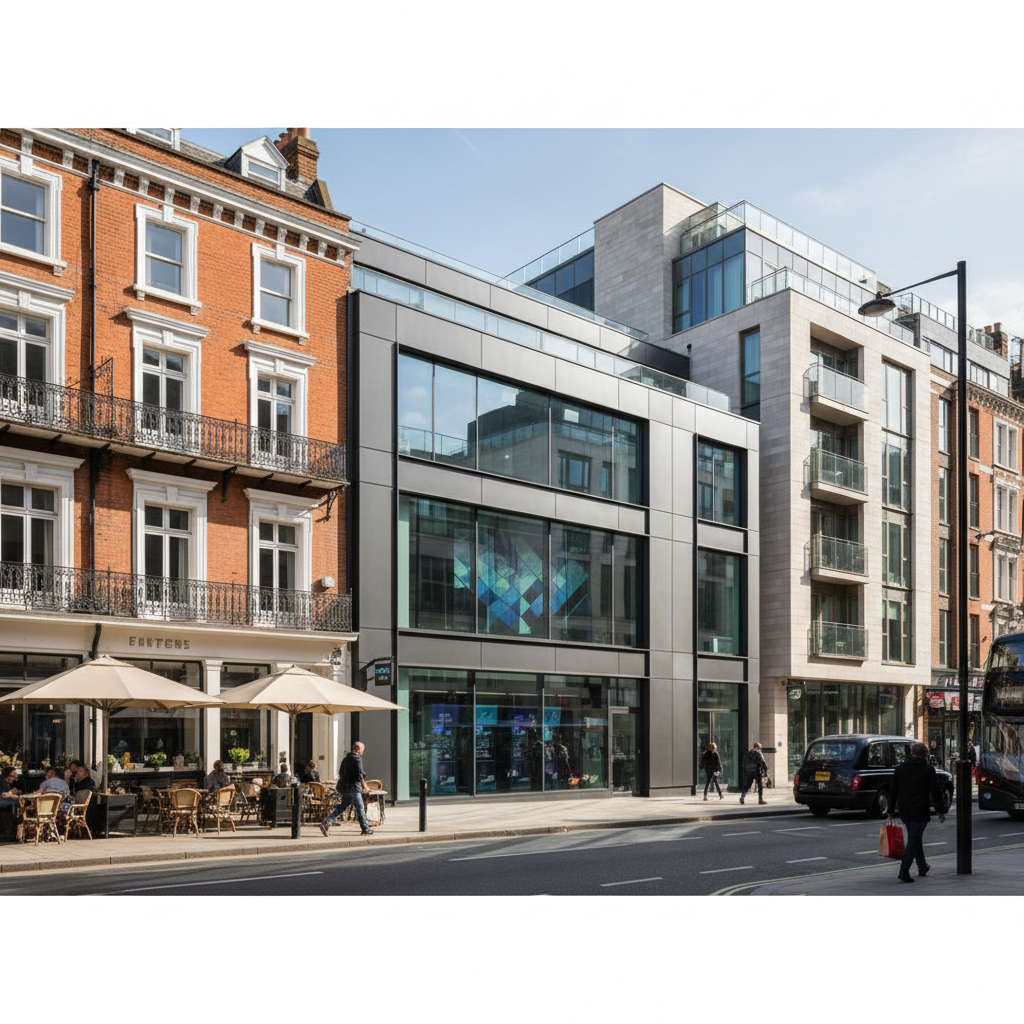
The Planning Inspectorate has rejected Merkur Slots' appeal to operate its Hall Place venue around the clock, upholding local planners' original refusal of the 24-hour opening proposal. The decision, announced on 9 June, was welcomed by gambling charities as a victory for community concerns over commercial expansion.
Local planning authorities had initially refused the application on 12 March, citing concerns about noise, disturbance and the potential impact on nearby residents. Merkur Slots subsequently appealed the decision, seeking to overturn the restrictions on their operating hours.
Inspector finds limited benefits outweighed by disadvantages
The Planning Inspectorate's ruling found that the disadvantages of 24-hour operation significantly outweighed any limited benefits the extended hours might provide. The inspector's assessment focused particularly on the potential for increased noise and disturbance in the residential area surrounding the Hall Place venue.
The inspector's report detailed concerns about late-night customer arrivals and departures, potential for anti-social behaviour during overnight hours, and the cumulative impact on local residents' quality of life. The assessment also considered the venue's proximity to residential properties and the lack of adequate sound insulation measures proposed by Merkur Slots.
The decision represents a clear backing of local planning authority concerns about the impact of round-the-clock gambling operations on established communities. Planning inspectors are required to balance commercial interests against local amenity and residential welfare when considering such appeals, with this case demonstrating a clear preference for community protection over commercial expansion.
Gambling charity welcomes community protection
A gambling charity described the ruling as a significant win for local residents, highlighting how planning decisions can serve as an effective tool for protecting communities from potentially harmful commercial expansion. The organisation emphasised that the decision recognised legitimate concerns about the social impact of extended gambling venue hours.
The charity's spokesperson noted that 24-hour gambling venues can create particular risks for vulnerable individuals, as the constant availability removes natural breaks that might otherwise interrupt problem gambling sessions. They pointed to research showing increased rates of gambling-related harm in areas with high concentrations of round-the-clock betting facilities.
The charity's response reflects broader concerns within the gambling harm prevention sector about the proliferation of 24-hour betting and gaming venues in residential areas. Such extended operating hours have been linked to increased accessibility and potential for problem gambling behaviours, particularly among shift workers and those with existing addiction issues.
Local residents' groups had also submitted objections during the original planning process, citing concerns about increased footfall during unsociable hours and the potential for the venue to attract anti-social behaviour. These community voices were specifically referenced in the inspector's final determination.
Planning decisions increasingly scrutinise gambling expansion
The Hall Place case reflects a growing trend of local planning authorities taking a more cautious approach to gambling venue expansion, particularly where 24-hour operations are proposed. Planning committees across the UK have increasingly considered the cumulative impact of gambling venues on local communities when making licensing decisions.
This scrutiny extends beyond traditional concerns about noise and traffic to encompass broader questions about the social and economic impact of gambling venues on town centres and residential areas. Recent planning decisions in Manchester, Birmingham and Liverpool have similarly rejected applications for extended gambling venue hours, suggesting a nationwide shift in regulatory approach.
The trend reflects updated planning guidance that encourages local authorities to consider the cumulative impact of gambling venues on community wellbeing, not just individual site-specific concerns. This has led to more comprehensive assessments that factor in existing gambling venue density, local deprivation indices, and proximity to schools and community facilities.
The BBC News report highlighted how such decisions are becoming more common as communities seek greater protection from gambling-related harm, with planning law increasingly viewed as a frontline defence against problematic venue proliferation.
Implications for future venue applications
The Planning Inspectorate's decision sets a precedent that could influence future applications for extended gambling venue hours across England. The ruling demonstrates that commercial arguments for 24-hour operation must be weighed against demonstrable community benefits and resident welfare, with the burden of proof firmly on operators to justify extended hours.
Industry analysts suggest the decision could prompt gambling operators to reconsider their expansion strategies, particularly in residential areas where community opposition is likely to be strong. The ruling may also encourage more detailed community consultation processes during the application stage to address resident concerns proactively.
Merkur Slots will now need to operate the Hall Place venue within the existing planning restrictions, though the company retains the option to submit a fresh application with modified proposals addressing the inspector's specific concerns. Any future application would likely require comprehensive noise impact assessments and enhanced community engagement measures.
The decision also signals to other gambling operators that appeals against planning refusals face rigorous scrutiny of their community impact claims. Legal experts suggest operators will need to present stronger evidence of community benefits and more robust mitigation measures to succeed in similar appeals.
For local residents and gambling harm prevention advocates, the ruling provides encouragement that planning law can serve as an effective mechanism for controlling the expansion of gambling venues in residential areas, particularly where round-the-clock operations are concerned. The decision reinforces the principle that commercial interests must demonstrate clear community benefit to override legitimate resident objections.