UK Government delays EU food import checks after Scottish industry warnings
New border controls on meat, dairy and plant products pushed back several months following intense lobbying from food producers and retailers.
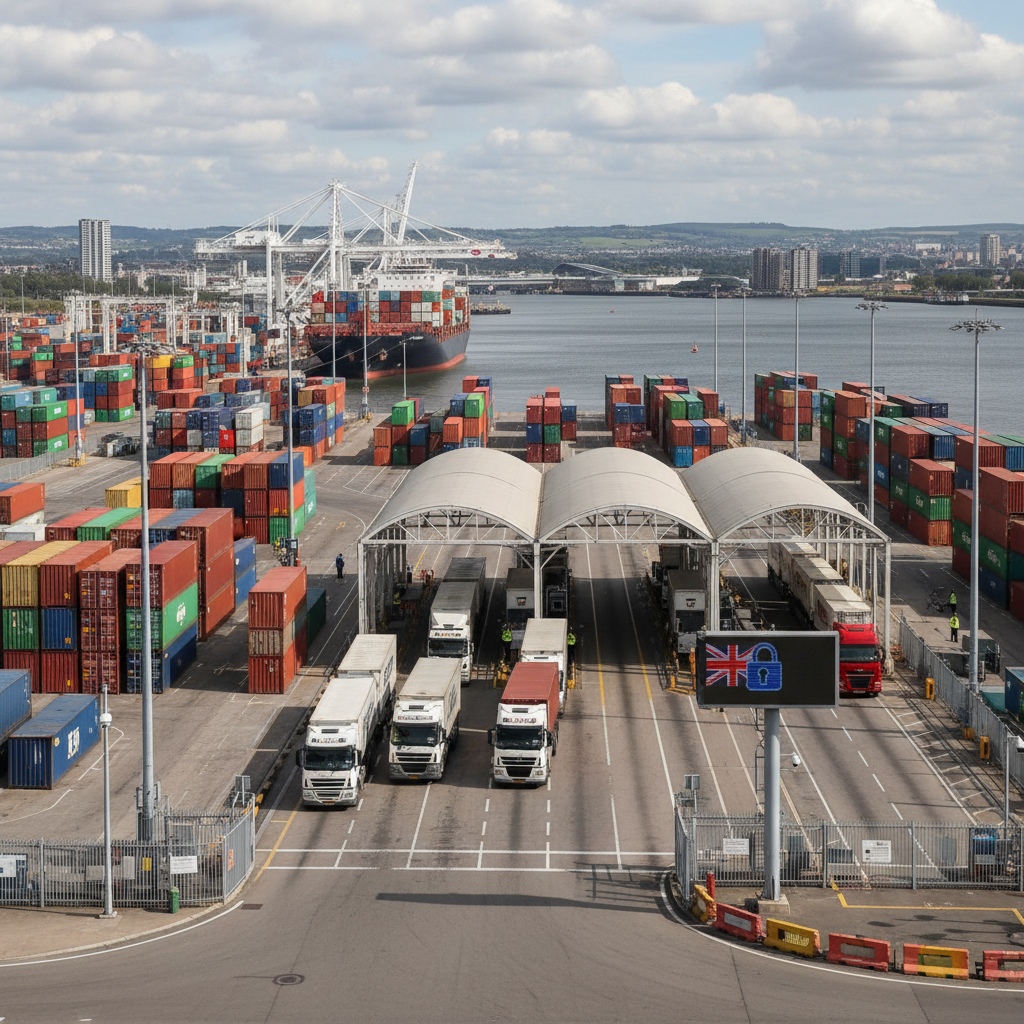
The UK Government confirmed on 5 June 2026 it will delay the next phase of post-Brexit border controls on EU agri-food imports following intense lobbying from food producers and retailers, including Scottish industry groups. The new Sanitary and Phytosanitary (SPS) checks, due to introduce extra documentation and physical inspections on meat, dairy and plant products, will now be pushed back by several months.
Industry warnings over costs and disruption
Trade bodies had warned that the planned timetable risked higher prices and supply problems for consumers across Great Britain, with smaller Scottish importers particularly exposed to extra bureaucracy and charges at English ports. The delay comes amid mounting concern over the cumulative impact of post-Brexit red tape on food supply chains, particularly for Scottish businesses that rely heavily on EU imports.
Scottish industry groups were among those pressing for the postponement, arguing that the additional border checks would create disproportionate burdens for smaller importers who lack the resources to navigate complex new documentation requirements. Many Scottish food businesses import through English ports, meaning they face both the direct costs of compliance and potential delays in goods reaching Scottish markets.
Government promises refined approach
Ministers said the pause will be used to refine digital systems and work with businesses on a more "risk-based" approach, while insisting that biosecurity will not be compromised. The government has repeatedly delayed various phases of post-Brexit border controls since the UK left the EU single market in January 2021, citing concerns about supply chain disruption and business readiness.
The latest delay affects physical inspections and additional documentation requirements for animal and plant products entering Great Britain from the EU. These measures were designed to bring EU imports in line with checks already applied to goods from non-EU countries, but have faced sustained opposition from importers who argue the costs outweigh the benefits.
Opposition criticism of chaotic rollout
Opposition MPs criticised the government for a "chaotic" roll-out that has left firms repeatedly re-planning logistics and investment. The pattern of last-minute delays has created uncertainty for businesses trying to prepare for new compliance requirements, with many having already invested in systems and processes that may now need to be revised again.
For Scottish importers, the uncertainty is particularly acute given their distance from the main English ports where many EU goods enter Britain. Additional delays or complications at these entry points can have knock-on effects throughout Scottish supply chains, potentially affecting everything from restaurant menus to supermarket shelves.
Impact on Scottish consumers and suppliers
The delay provides temporary relief for Scottish consumers who might otherwise have faced higher food prices as importers passed on the costs of additional border checks. However, the underlying issues remain unresolved, with the government yet to provide a firm timeline for when the new controls will actually be implemented.
Scottish suppliers who have been preparing for the changes now face another period of uncertainty about when and how the new requirements will take effect. Some had already begun adjusting their sourcing strategies or investing in compliance systems, decisions that may need to be reconsidered in light of the delay.
The postponement also highlights the ongoing challenges of implementing post-Brexit trade arrangements that balance regulatory control with practical business needs. According to the BBC report, the government remains committed to introducing the checks but wants to ensure they are implemented in a way that minimises disruption to trade flows.
What happens next
The government has not yet announced a new timeline for implementing the delayed border controls, saying only that they will be introduced "several months" later than originally planned. This leaves businesses in limbo about when they will need to comply with the new documentation and inspection requirements.
Ministers have promised to use the additional time to work with industry on refining the digital systems that will support the new checks and developing a more targeted, risk-based approach to inspections. However, critics argue that similar promises have been made before previous delays without delivering the clarity businesses need to plan effectively.
The delay is likely to intensify political debate about the costs and benefits of post-Brexit border controls, with supporters arguing they are necessary for biosecurity and opponents claiming they create unnecessary barriers to trade with Britain's largest trading partner.