Scotland's rural GP shortage hits record high with 30% vacancy rate in remote practices
New Public Health Scotland data reveals more than 80 GP posts unfilled in island and Highlands communities, with some surgeries relying entirely on locum cover.
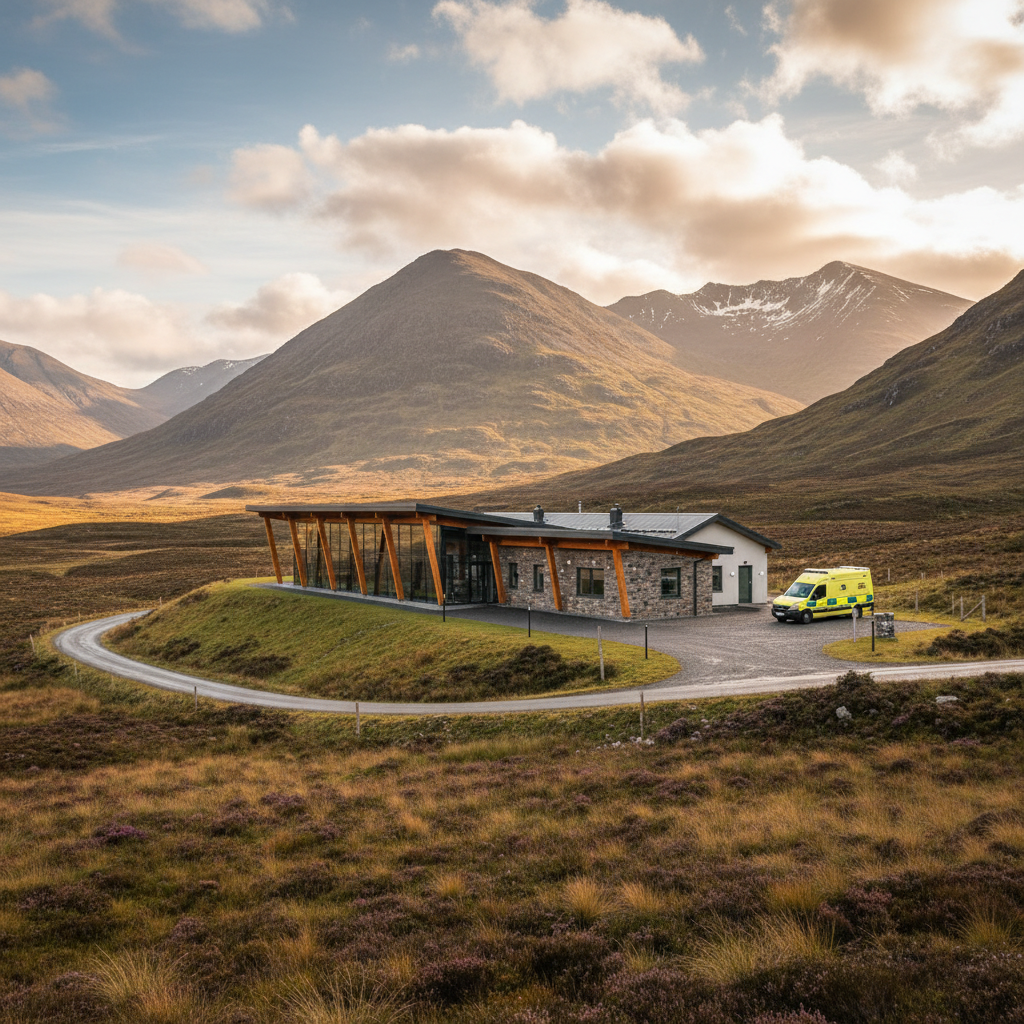
Nearly 30% of GP posts in Scotland's most remote and rural practices are currently vacant, according to new figures published by Public Health Scotland on 10 June, marking the highest rate since records began in 2013.
The data reveal that more than 80 whole-time equivalent GP posts remain unfilled in practices serving island and Highlands communities, with several surgeries now relying entirely on locum cover to maintain basic services.
Patient Safety Concerns Mount
The Royal College of General Practitioners Scotland has warned that patient safety is at risk as the crisis deepens. Some patients now face round trips of over 100 miles for routine appointments, the college said, as practices struggle to maintain adequate coverage across Scotland's most geographically challenging areas.
The vacancy rate represents a significant deterioration from previous years, with island communities and Highland practices bearing the brunt of the workforce shortage. Several surgeries have been forced to reduce opening hours or suspend certain services whilst relying on temporary locum doctors to fill gaps.
Dr Carey Lunan, chair of the Royal College of General Practitioners Scotland, described the situation as "deeply concerning" and warned that the shortage is creating a two-tier system where urban patients receive consistent care whilst rural communities face increasingly fragmented services. The college has documented cases where patients with chronic conditions have seen different doctors at consecutive appointments, disrupting continuity of care.
Ministers Defend Recruitment Strategy
Scottish ministers acknowledged the pressures facing rural practices but maintained that existing recruitment incentives and the target of 800 additional GPs by 2027 remain on track. The government has pointed to various schemes designed to attract doctors to remote areas, including enhanced training programmes and financial support packages.
Health Secretary Michael Matheson insisted that Scotland's GP workforce has grown by 12% since 2007 and highlighted the Rural GP Scheme, which offers enhanced training and mentorship for doctors willing to commit to remote practices. The scheme provides additional funding for professional development and covers locum costs during training periods.
However, professional bodies have disputed these claims, arguing that the workforce gap is actually widening despite government assurances. The Royal College of General Practitioners Scotland said current measures are insufficient to address the scale of the crisis affecting Scotland's most vulnerable communities. They point out that whilst overall GP numbers may have increased, the distribution remains heavily skewed towards urban areas.
Geographic Challenges Intensify Crisis
The shortage particularly affects practices serving Scotland's islands and Highland regions, where geographic isolation already presents significant challenges for healthcare delivery. These areas have historically struggled to attract and retain GPs due to factors including professional isolation, limited career development opportunities, and the demanding nature of rural practice.
Island communities face additional complications, with ferry disruptions affecting both patient access and doctor availability. On Skye, one practice covering over 10,000 patients has operated with just two permanent GPs for the past six months, forcing them to rely heavily on locum cover that costs significantly more than permanent staff.
The reliance on locum cover has created additional pressures, with temporary doctors often unfamiliar with local patients and community needs. This fragmented approach to care delivery has raised concerns about continuity of treatment and the ability to manage complex chronic conditions effectively in rural settings.
Rural GPs also face unique challenges including on-call responsibilities covering vast geographic areas, limited access to specialist support, and the need to provide a broader range of services than their urban counterparts. Many report feeling professionally isolated and struggling with work-life balance in demanding roles.
The 30% vacancy rate represents a stark increase from 2013 levels, according to the BBC report on the Public Health Scotland data, highlighting how the rural GP crisis has accelerated over the past decade despite various government interventions.
Opposition Calls for Emergency Action
Opposition MSPs have responded to the figures by calling for an emergency rural workforce plan and ring-fenced funding to stabilise primary care in the worst-affected areas. They argue that current recruitment strategies are failing to match the pace of departures from rural practices.
Scottish Conservative health spokesperson Dr Sandesh Gulhane, himself a GP, described the vacancy rates as "catastrophic" and called for immediate action to prevent further practice closures. He proposed doubling the rural GP recruitment incentive and establishing fast-track visa processes for overseas doctors willing to work in remote areas.
The calls include demands for enhanced financial incentives specifically targeted at remote practices, improved infrastructure to support rural GPs, and accelerated training programmes to increase the pipeline of doctors willing to work in challenging geographic locations. Opposition parties have also suggested creating regional GP hubs that could provide shared services and reduce the isolation experienced by rural practitioners.
Liberal Democrat health spokesperson Alex Cole-Hamilton warned that without urgent intervention, some island communities could lose GP services entirely within the next two years. He cited examples from the Western Isles where practices have already reduced services and expressed concerns about the sustainability of remaining provision.
With the government's target of 800 additional GPs by 2027 now under scrutiny, pressure is mounting for more decisive action to address what professional bodies describe as a crisis threatening the viability of primary care across Scotland's most remote communities. The coming months will test whether existing recruitment measures can reverse the trend or whether more radical intervention will be required to prevent further deterioration in rural healthcare access.