Scottish teachers face fresh strike ballot over workload dispute
The EIS union will launch a second vote after the previous ballot fell short of the legal turnout threshold required for industrial action.
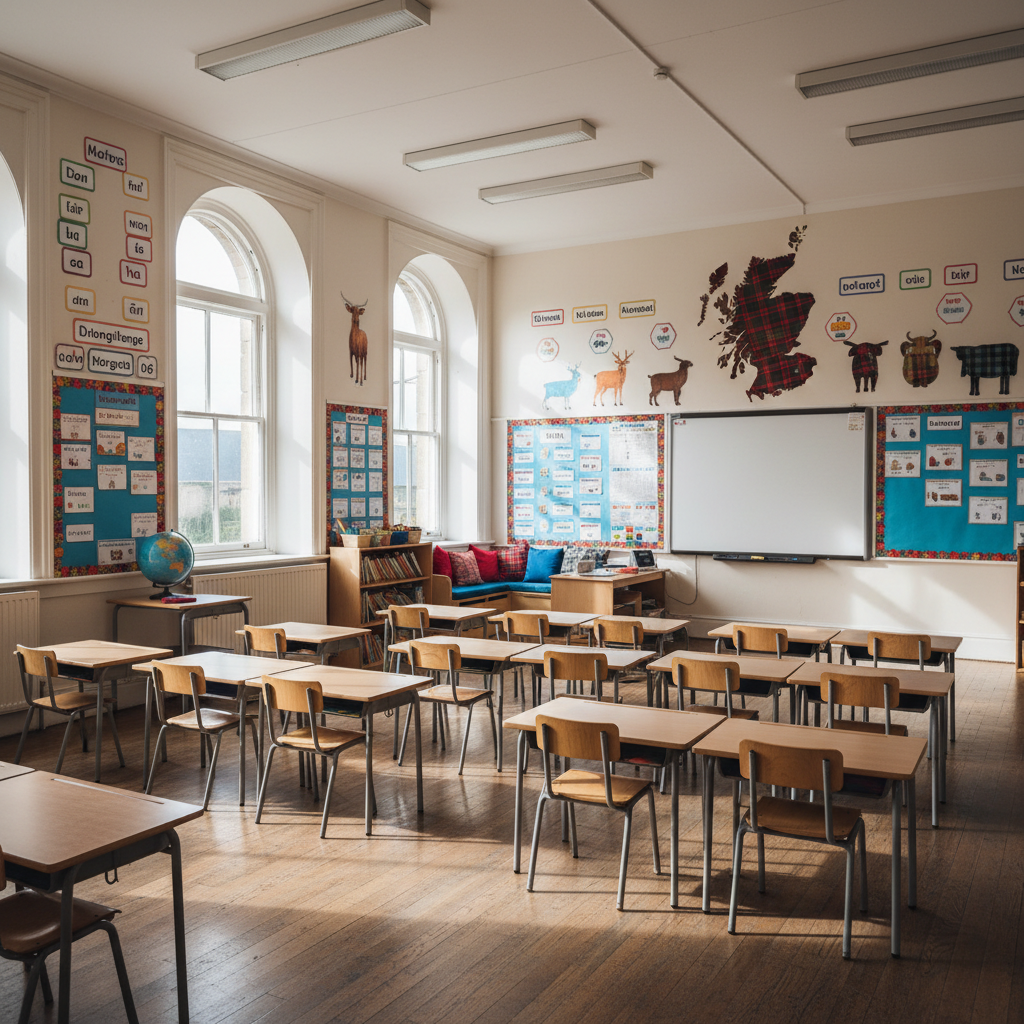
Scotland's largest teaching union is preparing a fresh strike ballot over teachers' workload after failing to secure enough votes in an earlier attempt to authorise industrial action. The Educational Institute of Scotland (EIS) will launch the new ballot following a previous vote that attracted 46.57% of eligible members, falling short of the legal turnout threshold required for strike action.
Dispute over classroom contact hours
The ongoing dispute centres on a promised reduction in teachers' weekly class contact time from 22.5 hours to 21 hours. The EIS argues this commitment has not been delivered by education authorities, leaving teachers with excessive workloads that impact both their wellbeing and the quality of education they can provide to pupils.
The union's decision to pursue a second ballot comes as schools across Scotland continue to grapple with staffing pressures and recruitment challenges. Teachers have reported increasing administrative burdens alongside their classroom responsibilities, with many citing workload as a primary factor in considering leaving the profession. The promised 1.5-hour reduction represents a significant portion of the working week for teachers already stretched by curriculum demands and assessment requirements.
Union response and member concerns
EIS representatives have expressed frustration at the lack of progress in negotiations with local authorities since the original commitment was made. The union maintains that the failure to deliver on the contact time reduction has left teachers feeling undervalued and overworked, contributing to the ongoing recruitment crisis affecting Scottish schools.
Members have highlighted the cumulative effect of increased class sizes, expanded curriculum requirements, and additional pastoral responsibilities that have been added to their roles without corresponding reductions in teaching hours. The union argues that these pressures are driving experienced teachers from the profession while deterring new graduates from entering the classroom.
Legal changes open door to action
The EIS has indicated that recent legal changes, combined with the fresh ballot, could keep the possibility of strike action on the table ahead of the Scottish elections. Union representatives suggest these developments provide additional pathways for industrial action should negotiations with education authorities fail to progress.
The timing of any potential strikes would be particularly significant given the proximity to the Scottish Parliament elections, where education policy is expected to feature prominently in political debates. Parents and school communities would face disruption to learning at a crucial period in the academic calendar, potentially influencing voter sentiment on education issues.
Trade union legislation requires a minimum 50% turnout for strike ballots to be valid, a threshold the EIS missed by approximately 3.5 percentage points in their previous attempt. The union believes improved member engagement and clearer communication about the issues at stake will help achieve the necessary participation levels in the upcoming vote.
Impact on schools and families
Should the new ballot succeed in reaching the required turnout threshold, strike action could affect hundreds of thousands of pupils across Scotland's state schools. Previous teacher strikes have led to school closures, forcing parents to arrange alternative childcare and disrupting examination schedules.
The dispute reflects broader tensions within Scotland's education system, where teacher recruitment and retention remain persistent challenges. Many schools already operate with supply teacher shortages, meaning any strike action could have amplified effects on classroom provision. Rural schools, which often rely on smaller teaching teams, would be particularly vulnerable to disruption.
Parent groups have expressed concern about the potential for prolonged industrial action, particularly given the learning disruption already experienced during the pandemic. However, some parent representatives have acknowledged that addressing teacher workload issues could benefit pupils in the long term by improving staff retention and classroom quality.
Political pressure mounts
The renewed threat of industrial action places additional pressure on the Scottish Government and local authorities to address teachers' concerns over working conditions. Education policy has become increasingly contentious in Scottish politics, with opposition parties highlighting teacher shortages and declining educational outcomes.
Local authority leaders face the challenge of balancing budget constraints with the need to improve working conditions for teachers. The promised reduction in contact time would require additional staffing or restructured timetables, both of which carry financial implications for cash-strapped councils.
The EIS represents the majority of Scotland's teachers, making any strike action particularly disruptive to the education system. According to the BBC report, the union's strategy of launching successive ballots demonstrates their determination to secure meaningful changes to teachers' working conditions.
The outcome of the fresh ballot will determine whether Scottish schools face the prospect of strike action in the coming months, potentially affecting hundreds of thousands of pupils and their families across the country. The union has not yet announced the timeline for the new ballot, but members expect it to launch within the next few weeks.