John Swinney returns as SNP leader following Humza Yousaf resignation
The former deputy first minister secured unopposed leadership after rivals withdrew, setting stage for return to top job amid party upheaval.
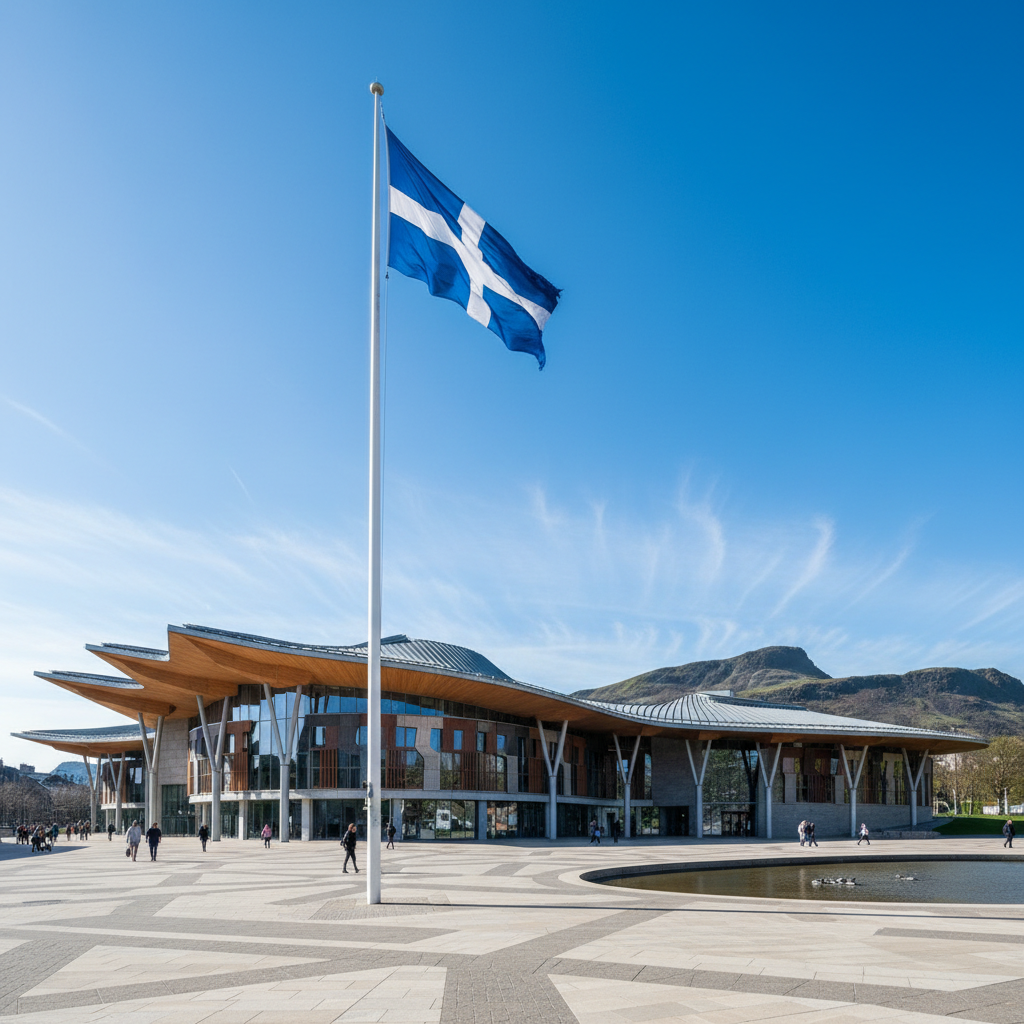
John Swinney has been confirmed as the new leader of the Scottish National Party following Humza Yousaf's resignation at the end of May 2026. The former deputy first minister and veteran SNP figure secured the position unopposed after potential rivals ruled themselves out before the nomination deadline in early June.
Swinney's return to the leadership represents a coronation-style contest rather than a competitive race, with key SNP figures at both Holyrood and Westminster backing his candidacy before nominations closed. The 60-year-old previously served as SNP leader from 2000 to 2004 and held the deputy first minister role under Nicola Sturgeon.
Parliamentary confirmation awaited
The new SNP leader is expected to face a formal nomination process in the Scottish Parliament shortly, where MSPs will vote on his appointment as Scotland's first minister. This confidence vote will mark the crucial step in Swinney's transition from party leader to head of the Scottish Government.
His elevation comes at a particularly challenging time for the SNP, with the party grappling with significant internal pressures and external scrutiny. The leadership change follows a period of instability that has raised questions about the party's direction and unity across its 64 MSPs at Holyrood.
Coalition breakdown creates political vacuum
Swinney inherits a fractured political landscape following the breakdown of the SNP's coalition arrangement with the Scottish Greens. This collapse has left the Scottish Government without a parliamentary majority, creating uncertainty about its ability to pass key legislation and maintain stable governance in the 129-seat parliament.
The end of the power-sharing agreement has also exposed divisions within the independence movement, with different factions holding varying views on strategy and priorities. These internal tensions have complicated the SNP's messaging and weakened its position in Scottish politics, particularly as opposition parties sense vulnerability.
Senior party figures have acknowledged the challenges ahead, with several MSPs privately expressing concerns about the party's ability to deliver on manifesto commitments without Green support. The arithmetic means Swinney will need to secure backing from opposition benches or independents to pass controversial legislation.
Independence campaign faces renewed scrutiny
One of Swinney's most pressing challenges will be addressing ongoing pressure over the direction of Scotland's independence campaign. The movement has faced criticism for lacking a clear roadmap and struggling to maintain momentum following the 2014 referendum defeat, with recent polling showing support hovering around the 45-50% mark.
Party activists and supporters have called for a more coherent strategy that can unite different wings of the independence movement whilst appealing to undecided voters. Swinney's experience and long-standing commitment to the cause may help provide the stability needed to refocus these efforts, drawing on his decades of involvement in the constitutional debate.
The leadership transition also comes as polling suggests mixed public sentiment towards independence, with support fluctuating in response to political developments both in Scotland and Westminster. Economic uncertainties, Brexit aftermath, and questions over currency and EU membership continue to feature prominently in public discourse about Scotland's future.
Constitutional experts have noted that Swinney's appointment may signal a more pragmatic approach to independence strategy, potentially focusing on building consensus rather than pursuing more confrontational tactics with the UK government. His previous ministerial experience could prove valuable in navigating complex constitutional negotiations.
Party unity and electoral prospects
Internal party management will be crucial for Swinney as he attempts to heal divisions that emerged during recent leadership turbulence. Several prominent SNP figures had expressed frustration with the party's direction, and rebuilding confidence among activists and elected representatives will be essential for future electoral success.
The new leader faces the immediate challenge of preparing for potential early elections, with opposition parties likely to test the government's stability through confidence motions. Recent local election results have shown mixed performance for the SNP, suggesting Swinney will need to reinvigorate the party's grassroots organisation.
Fundraising concerns have also emerged as a significant issue, with the party's financial position reportedly strained following recent controversies. According to the BBC report, Swinney's appointment represents an attempt to restore confidence in the party's leadership during this turbulent period.
Challenges ahead for new leadership
Beyond the independence question, Swinney faces immediate practical challenges in governing Scotland effectively. The loss of Green Party support means the SNP will need to build new alliances or seek case-by-case backing for its policies in the Scottish Parliament, particularly on contentious issues like climate policy and public spending.
Key policy areas including climate action, housing, and public services will require careful navigation as the new first minister attempts to deliver on SNP manifesto commitments without a reliable parliamentary majority. His ability to maintain government stability whilst advancing the party's agenda will be closely watched by both supporters and opponents.
The veteran politician's return to frontline leadership also signals a shift back towards more experienced hands at a time when the party seeks to rebuild public trust and internal cohesion. Whether this approach can address the fundamental challenges facing Scottish nationalism remains to be seen as Swinney prepares to take on the first minister role once again, with his first major test likely coming in the form of the Scottish budget negotiations later this year.