Supreme Court upholds Scotland's minimum alcohol pricing in landmark ruling
The UK's highest court dismisses final industry challenge to 50p-per-unit policy, securing long-term future of public health measure introduced in 2018.
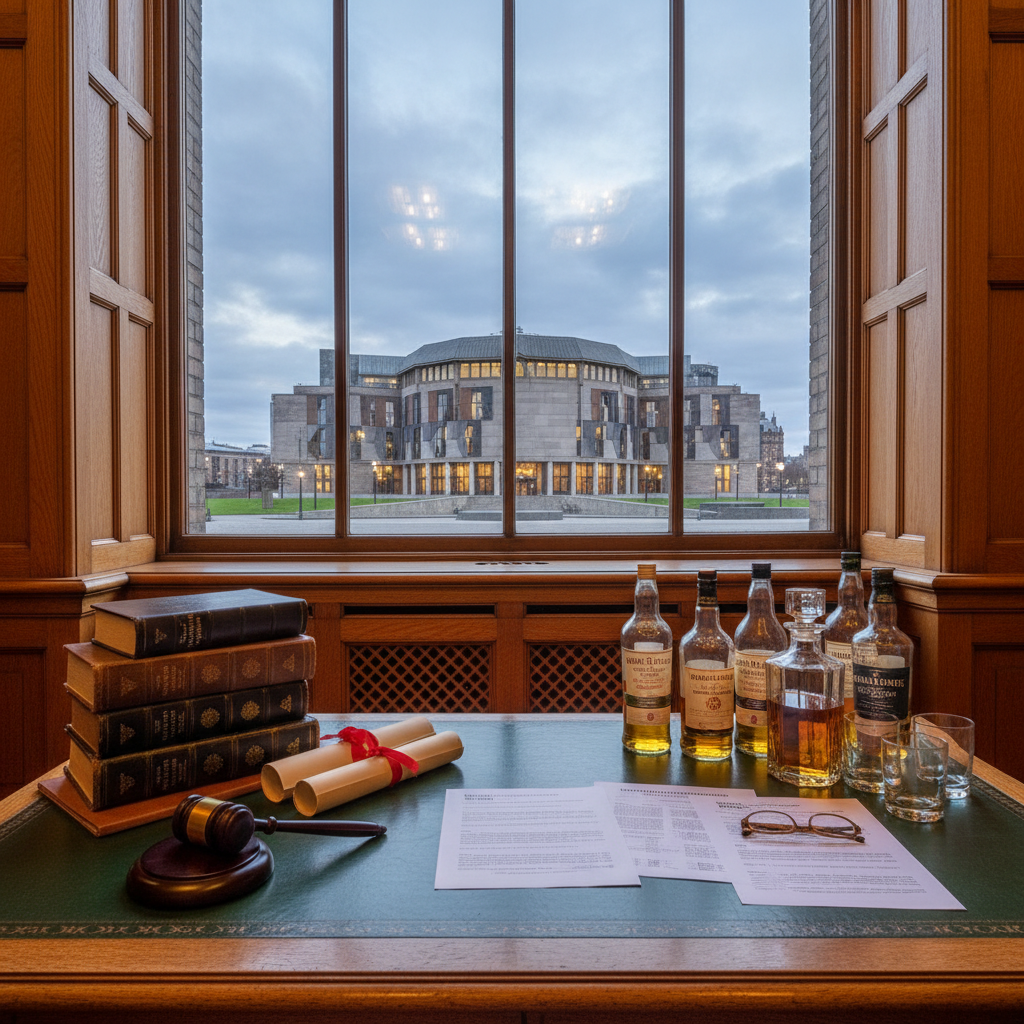
The UK Supreme Court has upheld the legality of Scotland's minimum unit pricing policy for alcohol, dismissing a final challenge from drinks producers and retailers on 18 June. The court ruled that the public health benefits of the 50p-per-unit minimum price justified its impact on trade under UK and retained EU law, effectively securing the policy's long-term future eight years after its introduction.
The decision represents a decisive victory for the Scottish Government, which has maintained that minimum unit pricing (MUP) has reduced alcohol-related deaths and hospital admissions since its implementation in 2018. The policy sets a floor price of 50 pence per unit of alcohol, meaning a bottle of wine cannot be sold for less than £4.69 and a four-pack of lager for less than £4.
Industry consortium fails in final legal bid
The challenge was brought by a consortium of drinks producers and retailers who argued that MUP disproportionately affects moderate drinkers and small businesses. The industry groups contended that the policy constitutes an unfair restriction on trade and commerce, particularly impacting consumers on lower incomes who may turn to cheaper, potentially more harmful alternatives.
The Supreme Court rejected these arguments, determining that the public health objectives of reducing alcohol consumption and its associated harms outweighed concerns about trade restrictions. The justices found that the Scottish Parliament had acted within its devolved powers when introducing the legislation and that the policy's design was proportionate to its aims.
Political implications across the union
The ruling carries significant political weight beyond Scotland's borders, with the decision expected to influence alcohol policy debates across the rest of the UK. Wales has already expressed interest in similar measures, whilst English local authorities have long called for greater powers to tackle alcohol-related harm in their communities.
The case has highlighted the divergent approaches to public health policy between Scotland and Westminster, with the Scottish Government positioning itself as more willing to take bold action on preventive health measures. This latest legal victory strengthens the SNP's narrative around Scotland's distinct policy priorities and the effectiveness of devolved decision-making.
Opposition parties in Scotland have offered mixed responses, with some acknowledging the public health evidence whilst others maintain concerns about the policy's impact on personal choice and business competitiveness. The Scottish Conservatives have previously argued that MUP unfairly penalises responsible drinkers whilst failing to address the root causes of problem drinking.
Evidence base and ongoing scrutiny
The Scottish Government has cited research suggesting that MUP has contributed to measurable reductions in alcohol-related deaths and hospital admissions since 2018. Public Health Scotland has been monitoring the policy's impact, though industry critics argue that other factors, including the COVID-19 pandemic's effect on drinking patterns, complicate the assessment of MUP's specific contribution.
The policy has faced sustained scrutiny from retail and hospitality sectors, which argue that it has pushed consumers towards off-licence purchases rather than supervised drinking environments. Small retailers have complained that the policy reduces their competitiveness against larger chains and creates administrative burdens in pricing compliance.
According to the BBC report, the Supreme Court's decision follows years of legal challenges that have tested the boundaries of devolved health policy and trade regulation.
Future of alcohol policy across Britain
The Supreme Court's endorsement of MUP is likely to embolden public health advocates across the UK who have called for similar interventions to address alcohol-related harm. The decision provides a legal precedent that could support future minimum pricing proposals in other devolved nations or English regions seeking greater public health powers.
The ruling also clarifies the relationship between devolved health policy and UK-wide trade regulations, potentially opening the door for other innovative public health measures that might previously have faced legal uncertainty. This could include policies around tobacco, food advertising, or other lifestyle-related health interventions.
For the Scottish Government, the decision represents validation of its approach to preventive health policy and may encourage further divergence from Westminster's regulatory framework. The long-term political impact will depend on whether the policy continues to demonstrate measurable public health benefits and maintains public support despite ongoing industry opposition.