John Swinney unveils council tax reform and rent controls in first Programme for Government
First Minister sets out legislative agenda including progressive council tax changes and tourist levy powers for local authorities.
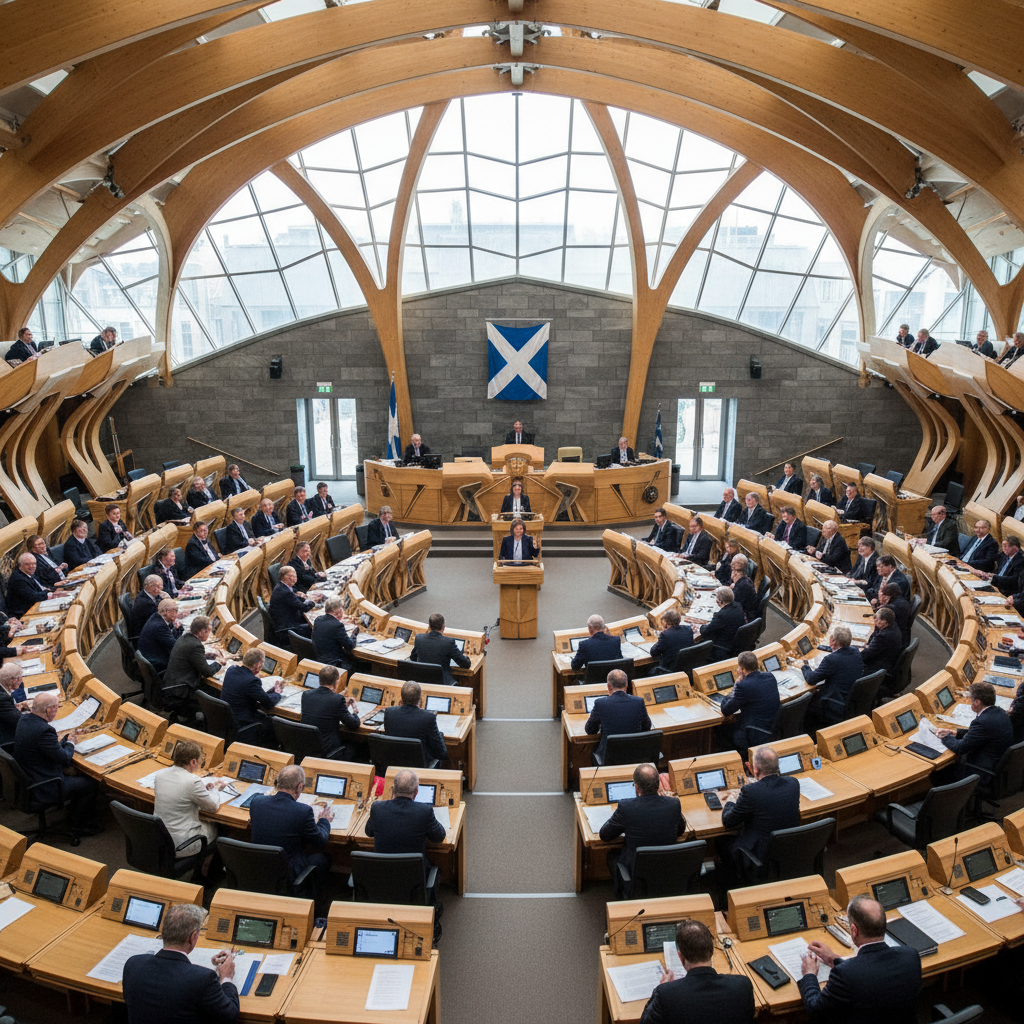
First Minister John Swinney outlined his first Programme for Government at Holyrood on 17 June, setting out plans for council tax reform and longer-term rent controls as key elements of the Scottish Government's legislative agenda for the coming year.
The programme includes a new council tax reform bill designed to make the system more progressive, alongside proposals to grant local authorities powers to pilot tourist levies in their areas. Swinney also confirmed the government will explore land value taxation as part of broader fiscal reforms.
Rent Controls and Housing Policy Framework
The First Minister confirmed work towards establishing longer-term rent controls following the expiry of emergency rent caps that were introduced during the cost-of-living crisis. The programme also includes commitments to expand childcare provision and maintain progress on climate targets set by previous administrations.
Swinney framed the package as representing a reset for the Scottish Government following the tenures of former First Ministers Nicola Sturgeon and Humza Yousaf, seeking to build cross-party support for what he described as core reforms needed for Scotland. The housing measures aim to address ongoing affordability concerns that have affected tenants across Scotland's major cities, particularly Edinburgh and Glasgow where rental costs have risen significantly in recent years.
The rent control framework will need to balance tenant protection with landlord concerns about property investment viability. Industry bodies representing private landlords have previously warned that overly restrictive rent controls could reduce the supply of rental properties, creating unintended consequences for housing availability.
Opposition Response and Funding Scrutiny
Opposition parties criticised the programme for lacking sufficient detail on how the proposed reforms would be funded. Scottish Conservative leader Douglas Ross questioned whether the council tax changes would amount to tax increases for middle-income households, while Scottish Labour's Anas Sarwar called for more concrete timelines on implementation.
The tourist levy powers would allow councils to introduce charges on visitors staying in their areas, providing a new revenue stream for local services. However, questions remain about implementation timelines and the level of discretion individual authorities would have in setting rates. Edinburgh City Council has previously expressed strong interest in introducing such a levy, citing the strain that tourism places on city infrastructure and services.
Scottish Liberal Democrat leader Alex Cole-Hamilton raised concerns about the potential impact on Scotland's tourism industry, arguing that additional charges could make Scottish destinations less competitive compared to other UK regions. The hospitality sector has similarly voiced reservations about measures that could increase costs for visitors.
Political Context and Legislative Challenges
The Programme for Government represents Swinney's first major policy statement since becoming First Minister, marking his attempt to distinguish his leadership from his predecessors while maintaining continuity on key SNP commitments. The council tax reform bill signals a renewed push on an issue that has featured in Scottish politics for years without significant progress.
Previous attempts at council tax reform under the SNP have faced implementation challenges, with the party's 2007 manifesto pledge to replace council tax with a local income tax never materialised. The current proposals for a more progressive system will need to address technical questions about property valuations and band structures that have complicated past reform efforts.
The land value taxation exploration adds another dimension to the government's fiscal policy review, though concrete proposals remain to be developed. According to the BBC Scotland report, the programme seeks to balance ambitious reform goals with the practical constraints of minority government at Holyrood.
Swinney's minority government position means securing support from other parties will be essential for passing major legislation. The Scottish Greens, who ended their formal cooperation agreement with the SNP earlier this year, remain potential allies on progressive taxation measures, though their support cannot be assumed.
Implementation Timeline and Sector Impact
The council tax reform bill is expected to be introduced during the current parliamentary session, though the government has not specified exact timelines for when changes would take effect. Local authorities interested in piloting tourist levies will need to await further guidance on application processes and criteria, with Edinburgh and potentially Glasgow likely to be among the first councils to explore these powers.
The rent control measures will require extensive consultation with landlords, tenants, and housing organisations before legislation is brought forward. Swinney's team faces the challenge of securing sufficient parliamentary support for these reforms while addressing opposition concerns about funding and implementation details.
Business groups have called for impact assessments on both the tourist levy and council tax changes, arguing that additional costs could affect Scotland's economic competitiveness. The Scottish Tourism Alliance has requested that any tourist levy implementation includes provisions for reinvestment in tourism infrastructure and marketing.
The success of this Programme for Government will largely depend on the Scottish Government's ability to build the cross-party consensus Swinney has called for, particularly given the SNP's minority position in the Scottish Parliament. With the next Scottish Parliament election scheduled for 2026, these reforms represent a significant test of Swinney's leadership and the government's ability to deliver on long-standing policy commitments.