Scottish parties clash over independence and North Sea energy as UK election campaign reaches fever pitch
SNP frames 2 July poll as constitutional choice while Labour and Conservatives battle over economic credibility ahead of final campaign fortnight.
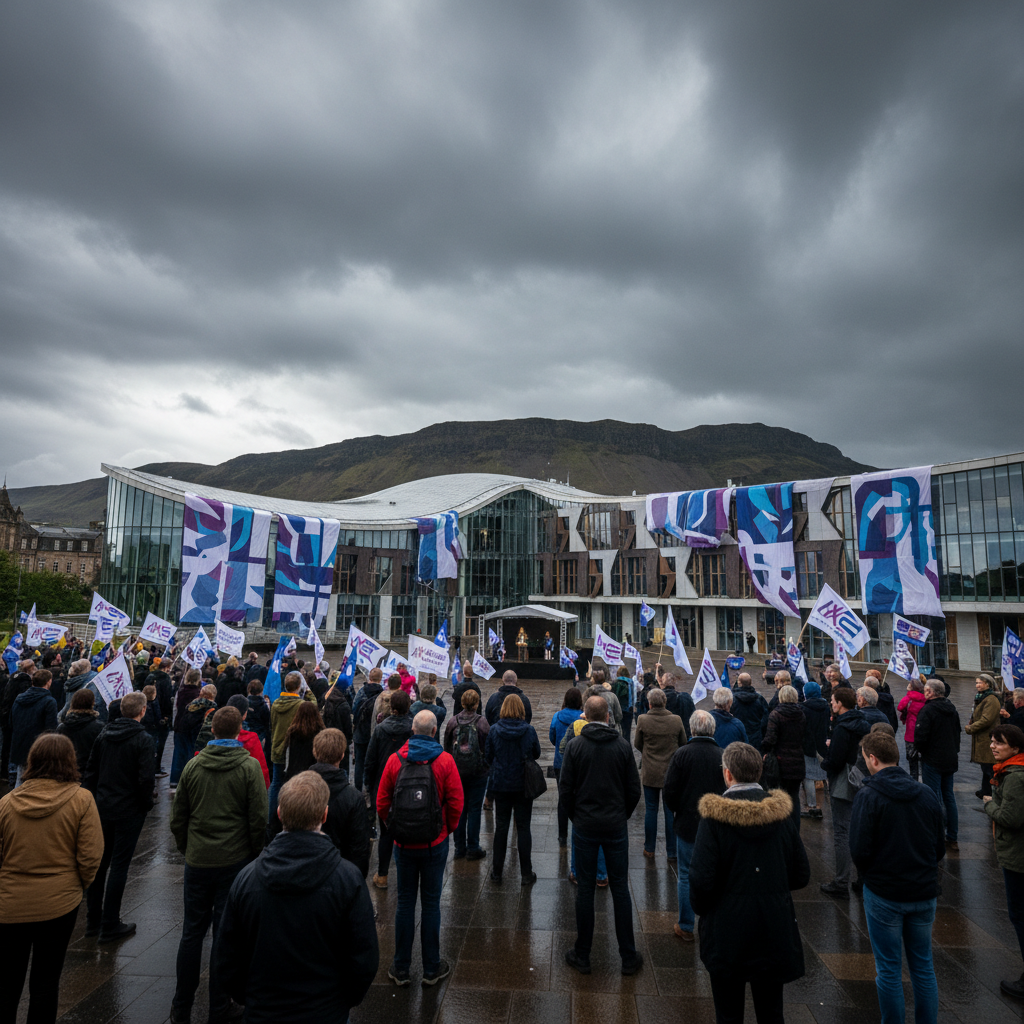
Scotland's political battleground has sharpened dramatically as the UK's main parties completed their manifesto launches between 13-20 June, with John Swinney using the SNP's platform to frame the 2 July general election as a defining moment for Scottish independence whilst Labour and Conservative leaders clashed over economic stewardship in televised debates.
The SNP leader positioned his party's manifesto as Scotland's route to constitutional self-determination, seeking to shore up support against a resurgent Labour challenge north of the border. Swinney's pitch comes as the party faces pressure to defend seats across Scotland's central belt and urban centres, where Labour has been making inroads since 2019.
Economic promises collide with fiscal reality
Keir Starmer's Labour manifesto emphasised economic stability and public service reform, presenting the party as the credible alternative to Conservative governance. The Labour leader's economic messaging targets Scottish voters concerned about Westminster's handling of public finances, particularly regarding NHS funding and local authority budgets that have faced sustained pressure.
Labour's manifesto commitments include specific pledges on NHS investment and council funding formulas that could directly benefit Scottish constituencies. The party has calculated that bread-and-butter issues will resonate more strongly than constitutional arguments in key marginal seats from East Renfrewshire to Perth and North Perthshire.
Meanwhile, Rishi Sunak defended Conservative tax and spending commitments despite mounting criticism over public sector cuts and NHS performance. The Prime Minister's manifesto launch faced immediate scrutiny over the party's record on public services, an issue that resonates strongly with Scottish voters who have witnessed prolonged austerity measures affecting everything from council services to healthcare provision.
Conservative strategists acknowledge their uphill battle in Scotland, where the party holds just six Westminster seats. Their manifesto focus on tax cuts and business support aims to appeal to traditionally Conservative rural constituencies and affluent suburban areas around Edinburgh and Glasgow.
North Sea energy dominates Scottish concerns
The televised leaders' debate highlighted North Sea energy policy as a critical fault line, with audience questions exposing deep divisions over Scotland's energy future. The issue carries particular weight for Scottish constituencies dependent on oil and gas industries, from Aberdeen to the Highlands, where thousands of jobs hang in the balance of Westminster energy policy.
SNP manifesto commitments on energy transition seek to balance environmental concerns with economic realities facing North Sea workers. The party's position on maintaining oil and gas production while developing renewable alternatives reflects the complex politics of energy-dependent constituencies where voters fear rapid industrial change.
Labour's energy policy proposals have drawn criticism from both environmental groups and industry representatives, highlighting the challenge of crafting positions that satisfy diverse Scottish constituencies. The party's stance on North Sea licensing rounds has become a particular flashpoint in Aberdeen and surrounding areas.
Cost of living pressures and immigration also featured prominently in debate exchanges, reflecting concerns that have shaped Scottish political discourse throughout 2026. These kitchen table issues have complicated the SNP's independence message, as voters weigh constitutional change against immediate economic pressures affecting household budgets.
Constitutional battle lines drawn
Swinney's strategy of casting the election as a choice on Scotland's constitutional future represents a high-stakes gamble for the SNP. The party seeks to mobilise pro-independence voters while defending against Labour's argument that constitutional politics distracts from pressing economic and social challenges facing Scottish communities.
Internal SNP polling suggests the independence message remains potent among core supporters but faces scepticism from swing voters prioritising immediate concerns over constitutional change. The party's manifesto attempts to bridge this gap by linking independence to economic prosperity and public service improvement.
The Liberal Democrats and Reform UK also launched manifestos during this period, though their Scottish impact remains limited compared to the three-way battle between SNP, Labour and Conservative campaigns. Reform UK's presence could nonetheless affect Conservative vote share in key Scottish marginals, potentially altering the electoral mathematics in closely contested seats.
Campaign enters decisive phase
With less than a fortnight until polling day, the manifesto launches have crystallised the choice facing Scottish voters between constitutional change and economic stability arguments. The SNP's independence focus will be tested against Labour's pitch for competent governance and Conservative attempts to retain their Scottish foothold.
Campaign resources are being concentrated on approximately 20 Scottish constituencies where the outcome remains genuinely uncertain. These include traditional Labour heartlands like Glasgow East and Rutherglen, SNP strongholds facing Labour challenges such as Stirling and Falkirk, and Conservative-held rural seats under pressure from multiple directions.
The intensity of campaigning is expected to increase further as parties deploy resources to defend and attack marginal constituencies across Scotland. According to BBC reporting, the television debates have already begun shaping voter perceptions on key issues affecting Scottish communities.
The final two weeks will likely see concentrated attention on Scotland's central belt constituencies, where shifting voter loyalties could determine whether the SNP maintains its Westminster dominance or faces significant losses to Labour's resurgent Scottish campaign. Early postal voting returns and canvassing reports will provide crucial intelligence as parties fine-tune their closing arguments for undecided Scottish voters.