Scottish Government Abandons National Care Service After £30m Spending
Ministers scrap flagship care reform plan following years of delays and criticism. Almost £30 million already spent on the shelved project.
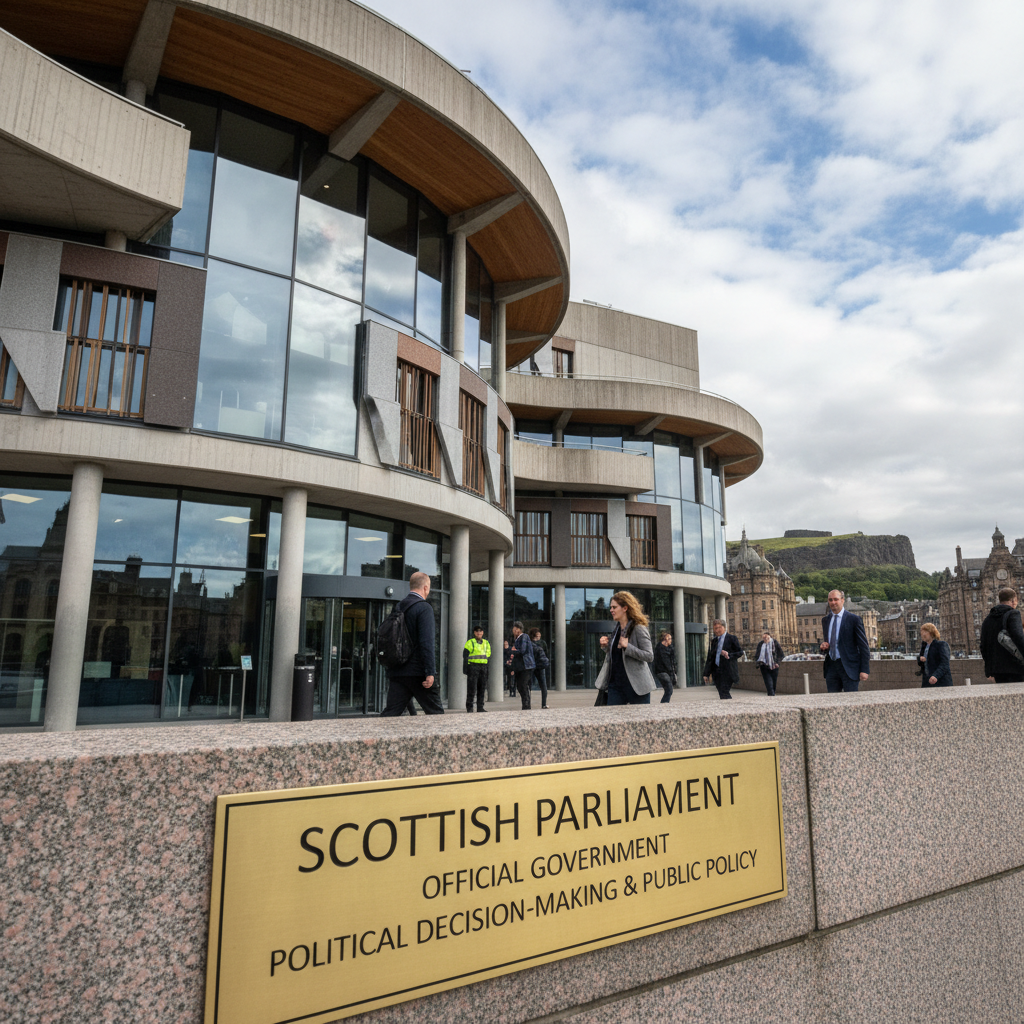
The Scottish Government has abandoned its flagship National Care Service plan after years of delays and mounting criticism, with Social Care Minister Maree Todd confirming the decision in a parliamentary statement on Wednesday. The government will drop the bill's first part, which would have created a national care board, after spending almost £30 million on the project.
Instead of the comprehensive overhaul originally promised, ministers will proceed with smaller reforms and establish a non-statutory advisory board. The decision marks a significant retreat from one of the SNP's most prominent policy commitments in recent years.
Financial Cost of Policy Reversal
The abandoned National Care Service has cost Scottish taxpayers nearly £30 million, according to BBC reporting, raising questions about the government's project management and consultation processes. The substantial financial outlay covers years of development work, consultation exercises, and preparatory measures for a service that will now never materialise in its intended form.
Opposition parties are likely to seize on the spending figures as evidence of government waste and poor planning. The £30 million represents a significant sum that could have been directed towards immediate improvements in Scotland's struggling social care sector, where staff shortages and underfunding remain persistent problems across local authority areas.
The financial commitment began accumulating from the policy's initial announcement, with costs mounting through extensive consultation phases, legal drafting, and establishment of working groups. Parliamentary committees had previously questioned ministers about the escalating expenses during the bill's development stages.
Political Fallout and Cross-Party Criticism
Social Care Minister Maree Todd's parliamentary statement acknowledged the government's change of direction, though she emphasised that some elements of the original plan would continue. The decision comes after sustained criticism from local authorities, care providers, and opposition politicians who argued the proposals were poorly conceived and inadequately funded.
Scottish Conservative health spokesperson Dr Sandesh Gulhane described the abandonment as a "humiliating climbdown" that wasted taxpayer money on an unworkable policy. Labour's health spokesperson Jackie Baillie accused the government of pursuing "vanity projects" while failing to address immediate care sector challenges.
The Convention of Scottish Local Authorities (COSLA) had consistently opposed the centralisation proposals, arguing they would remove democratic accountability from local communities. Council leaders across Scotland expressed relief at the decision but questioned why their concerns had not been heeded earlier in the process.
The National Care Service was intended to be a transformative policy that would centralise social care provision across Scotland, similar to the NHS model for healthcare. However, the plan faced consistent opposition from councils concerned about losing control of local services and from care providers worried about increased bureaucracy and potential service disruption.
Remaining Reform Measures and Implementation Timeline
While the centrepiece national care board has been scrapped, the government will proceed with what it describes as widely supported changes. These include stronger rights for care home residents and enhanced support for unpaid carers, measures that have received cross-party backing throughout the consultation process.
The non-statutory advisory board will replace the proposed national care board, though it will lack the statutory powers and centralised control that were central to the original vision. This represents a significant dilution of the government's ambitions for social care reform in Scotland.
Ministers indicated that legislation for the remaining measures would be introduced in the current parliamentary session, though specific timelines remain unclear. The scaled-back approach will require significantly less legislative time and resources than the comprehensive restructuring originally envisaged.
Care sector representatives welcomed the retention of measures focused on improving standards and supporting unpaid carers, though many expressed disappointment that broader systemic reforms had been abandoned. The Scottish Care organisation, representing independent care providers, called for urgent action on workforce recruitment and retention issues that the National Care Service had been expected to address.
Long-term Implications for Scotland's Care System
The policy reversal leaves Scotland's social care sector facing continued uncertainty about future reforms and funding arrangements. Local authorities will retain responsibility for care services, but questions remain about how the government will address the sector's well-documented challenges without the comprehensive restructuring originally planned.
Care providers and advocacy groups had expressed mixed views about the National Care Service, with some welcoming potential improvements in standards while others feared disruption to existing arrangements. The abandoned plan had promised to address workforce shortages, improve pay and conditions, and create more consistent service standards across Scotland's 32 local authority areas.
Integration Joint Boards, which currently oversee health and social care partnerships, will continue operating under existing arrangements rather than being replaced by the proposed national structure. This maintains the status quo for service delivery but leaves unresolved the funding and coordination challenges the National Care Service was designed to tackle.
The BBC report highlights how the abandoned plan represents one of the most significant policy U-turns by the Scottish Government in recent years, comparable to previous reversals on issues like named person legislation.
The decision to abandon the National Care Service after such substantial investment raises broader questions about the government's policy development processes and its ability to deliver on major reform promises. With Scotland's social care sector continuing to face staffing shortages and funding pressures, the focus will now shift to whether the scaled-back measures can deliver meaningful improvements for those who rely on care services across Scotland's diverse communities.