SNP-Green coalition collapses as ministers resign over North Sea oil dispute
Patrick Harvie and Lorna Slater pull their party from power-sharing deal after nearly five years, leaving John Swinney's SNP as a minority government.
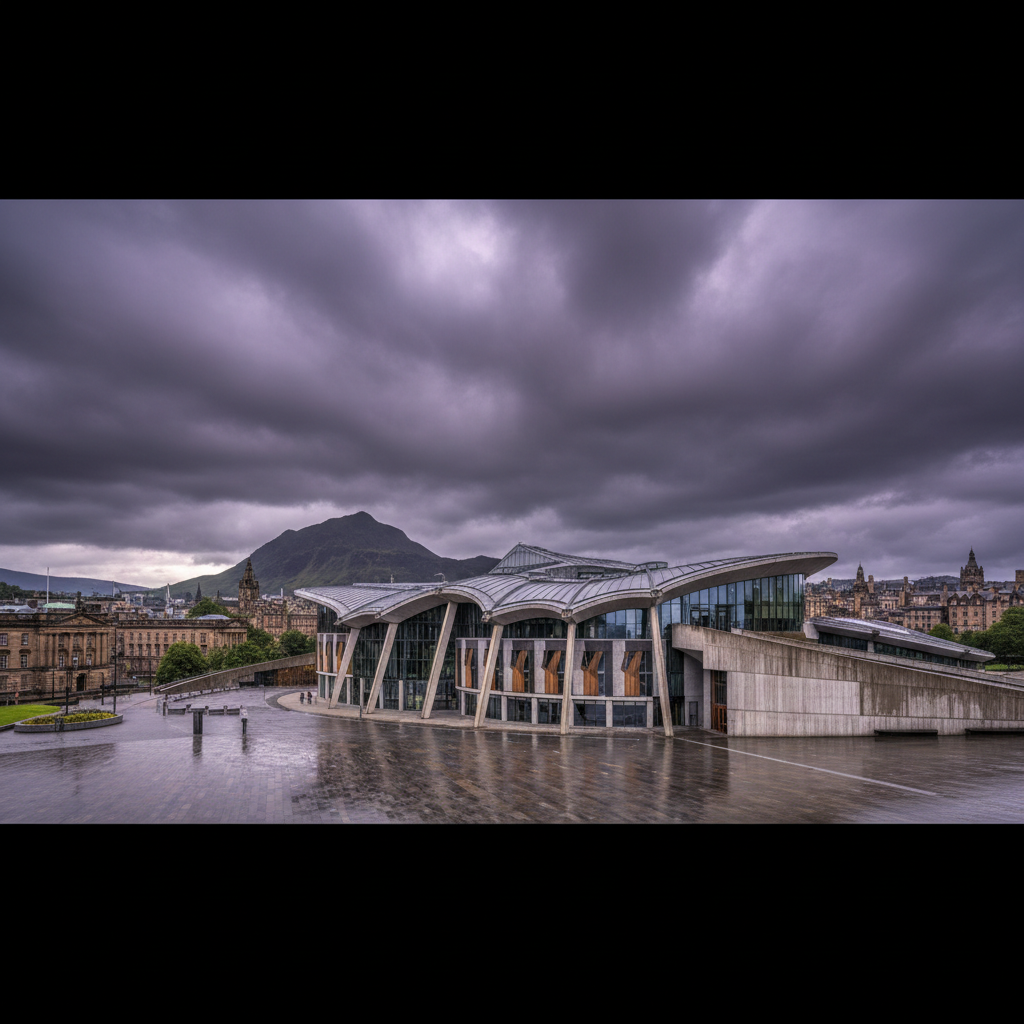
The Scottish Green Party formally withdrew from its power-sharing agreement with the Scottish National Party on 20 June, ending nearly five years of coalition government at Holyrood. Green co-leaders Patrick Harvie and Lorna Slater announced their ministers would resign following an irreconcilable dispute over the Scottish Government's stance on new North Sea oil and gas developments and climate targets.
First Minister John Swinney confirmed the Greens' departure in a statement to the Scottish Parliament, insisting his minority SNP administration would continue to pursue ambitious climate policies while seeking support on a vote-by-vote basis. The collapse leaves the SNP without a formal majority for the first time since 2021, fundamentally altering the balance of power at Holyrood.
Green ministers resign over energy policy rift
Harvie and Slater cited fundamental disagreements over the Scottish Government's approach to North Sea energy extraction as the primary reason for ending the coalition. The dispute centred on the SNP's position on new oil and gas licences and Scotland's ability to meet its statutory climate targets under current energy policies.
The Green co-leaders had served as ministers for zero carbon buildings and circular economy respectively since the power-sharing deal was struck in August 2021. Their resignations take immediate effect, forcing Swinney to reshuffle his cabinet and absorb their portfolios into existing departments.
The breakdown represents the culmination of mounting tensions between the parties over environmental policy, with the Greens increasingly vocal about their concerns over the pace of climate action and the Scottish Government's relationship with the oil and gas sector.
SNP faces minority government challenges
Swinney now leads a minority administration with 64 SNP MSPs in the 129-seat Scottish Parliament, requiring support from opposition parties to pass legislation. The First Minister acknowledged the changed circumstances but insisted his government remained committed to delivering on key policy areas including climate action, public services and economic development.
The collapse raises immediate questions about how the SNP will secure parliamentary backing for upcoming legislation on climate targets, tax measures and public service reform. Opposition parties are likely to demand significant concessions in exchange for their support, potentially forcing the SNP to moderate some of its more ambitious policy positions.
Without the Greens' seven MSPs, the SNP will need to build issue-by-issue coalitions with Labour, the Liberal Democrats or the Conservatives to maintain a functioning government. This arithmetic makes the passage of controversial legislation significantly more challenging.
Climate policy at centre of political upheaval
The coalition's demise highlights the growing political tensions surrounding Scotland's energy transition and climate commitments. The SNP has faced pressure to balance its support for North Sea oil and gas workers with increasingly stringent climate targets, a balancing act that ultimately proved impossible to maintain with Green support.
Scotland's Climate Change Act sets legally binding targets for emissions reductions, with interim goals requiring significant changes to energy policy and industrial strategy. According to the BBC report, the disagreement over how to reconcile these targets with continued fossil fuel extraction became the defining issue that broke the coalition.
The split also reflects broader debates within Scottish politics about the pace of the green transition and its impact on traditional industries. The SNP's need to retain support in oil and gas-dependent constituencies has increasingly clashed with Green demands for more radical climate action.
Political realignment ahead of next election
The coalition's end reshapes Scottish politics ahead of the next Holyrood election, due by May 2026. The SNP must now demonstrate it can govern effectively as a minority while the Greens position themselves as the authentic voice of environmental politics in Scotland.
Opposition parties are likely to test the new minority government's resolve through confidence motions and amendments to key legislation. The Scottish Conservatives, Labour and Liberal Democrats all stand to gain influence as potential kingmakers in crucial parliamentary votes.
For the independence movement, the split removes one of the SNP's key allies and potentially complicates efforts to build a pro-independence majority. The Greens remain supportive of Scottish independence but their withdrawal from government may signal a more critical stance towards SNP leadership of the independence campaign.