Scottish Borders wins backing for first new national park in two decades
The rolling hills and river valleys south of Edinburgh beat rival bids from Galloway, Loch Awe and Tay Forest in competitive selection process launched in 2023.
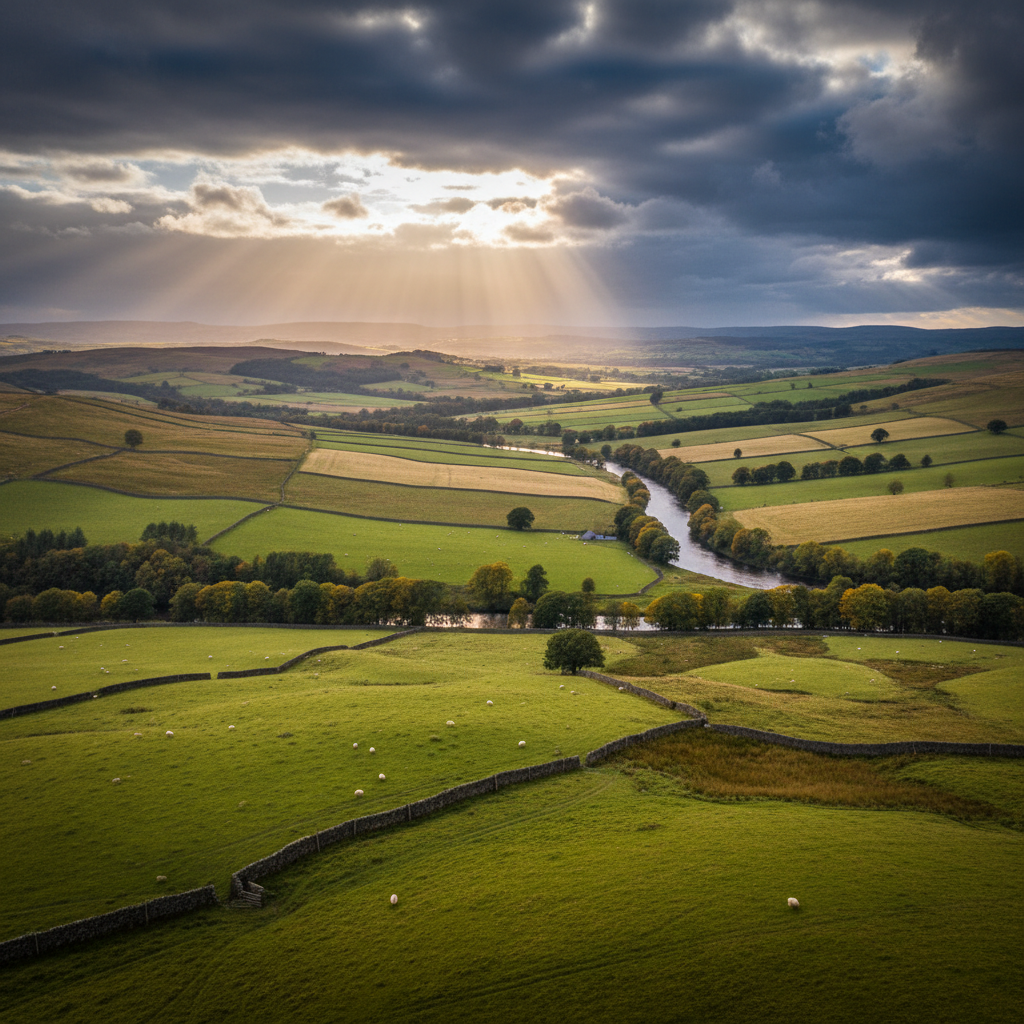
The Scottish Government confirmed on 27 June that the Scottish Borders will host Scotland's first new national park in 20 years, marking a significant shift in conservation policy beyond the traditional Highland heartlands. The area, centred on the rolling hills and river valleys south of Edinburgh, was selected from a shortlist that included bids from Galloway, Loch Awe and the Tay Forest following a competitive process launched in 2023.
Ministers said the designation would boost sustainable tourism and conservation efforts in southern Scotland, with formal boundaries and governance structures to be developed over the coming year through partnerships with local councils and communities. The government has committed initial funding to support park administration, infrastructure development and extensive community consultation ahead of the official launch.
Reshaping rural Scotland beyond the Highlands
The Borders selection represents a deliberate move to extend national park status beyond Scotland's mountainous north, potentially transforming how rural communities in the south engage with conservation and tourism. Unlike the Cairngorms and Loch Lomond & the Trossachs national parks, which centre on dramatic Highland landscapes, the Borders designation encompasses gentler terrain of working farmland, historic market towns and river systems that have shaped Scottish culture for centuries.
The new park boundaries will likely encompass areas where agriculture remains the primary economic driver, raising questions about how conservation goals will align with existing land use patterns. Local farmers and land managers will need to adapt to new planning frameworks while maintaining productive operations that have sustained Border communities for generations. The designation could affect everything from livestock grazing patterns to forestry management, requiring careful balance between environmental protection and agricultural productivity.
Historic sites across the region, including ancient abbeys, castle ruins and traditional market squares, will gain additional protection status under national park governance. This heritage dimension distinguishes the Borders proposal from Scotland's existing parks, which focus primarily on natural rather than cultural landscapes.
Community and environmental response
Environmental groups and local campaigners have welcomed the announcement while emphasising the need for robust biodiversity protections and meaningful support for existing land users. The response reflects broader tensions in Scottish conservation policy between preserving natural heritage and supporting rural livelihoods.
Community leaders across the Borders region have expressed cautious optimism about increased tourism revenue and infrastructure investment, though concerns remain about potential restrictions on traditional farming practices and development rights. The government's commitment to extensive consultation suggests recognition of these local sensitivities as planning progresses.
Local farming unions have called for clear guarantees that agricultural operations will continue without excessive bureaucratic interference, while conservation groups stress the importance of protecting river ecosystems and wildlife corridors that connect the Borders to broader Scottish habitats. These competing priorities will require careful negotiation during the boundary-setting process.
Several community councils have already established working groups to engage with the designation process, reflecting both enthusiasm for potential benefits and determination to influence how the park operates in practice. This grassroots involvement contrasts with the top-down approach that characterised earlier national park designations in Scotland.
Tourism and economic implications
The national park designation could significantly alter tourism patterns in southern Scotland, potentially drawing visitors away from overcrowded Highland destinations towards the more accessible Borders landscape. This shift may benefit communities that have historically received less tourist income while creating new pressures on rural infrastructure and services.
Local businesses anticipate opportunities in outdoor recreation, accommodation and heritage tourism, though the economic impact will depend heavily on how park authorities balance visitor access with conservation objectives. The Borders' proximity to major population centres in Edinburgh and northern England positions it to capture different visitor demographics than Scotland's existing national parks.
Transport infrastructure will require significant upgrades to handle increased visitor numbers, particularly rural roads and public transport connections that currently serve primarily local needs. The government has indicated that infrastructure investment will form part of the park development budget, though specific commitments remain to be finalised.
Accommodation providers across the region are already planning expansions and upgrades in anticipation of higher demand, while outdoor activity companies see opportunities to develop new walking, cycling and heritage trails that showcase the area's distinctive character.
Next steps and broader ambitions
Formal designation and detailed boundary mapping will unfold over the next 12 months, with park governance structures expected to follow established models from Scotland's existing national parks. The government has outlined funding commitments for initial setup costs and ongoing community engagement, though long-term financial sustainability remains to be determined.
Park authority recruitment will begin later this year, with positions likely to include specialists in rural development, heritage conservation and sustainable tourism management. The authority will need to establish working relationships with existing agencies including Scottish Natural Heritage, Historic Environment Scotland and local planning departments.
According to the BBC report, ministers have reiterated their commitment to creating at least one additional national park during the current parliamentary term, suggesting the Borders designation may be the first of several expansions in Scotland's protected area network. This broader ambition could reshape conservation priorities across multiple regions, extending national park benefits to communities that have traditionally operated outside such frameworks.
The unsuccessful bidders from Galloway, Loch Awe and Tay Forest are expected to maintain their campaigns for future designation rounds, with government officials indicating that strong proposals from these areas will receive continued consideration as the national park programme expands.
The Borders park represents more than geographic expansion of Scotland's conservation estate—it signals recognition that national heritage extends beyond Highland wilderness to encompass the working landscapes and cultural traditions of the country's southern regions.