Police make 43 arrests in first month of Glasgow city centre dispersal zone
New anti-social behaviour powers covering Central Station and Union Street lead to dozens of arrests as authorities review impact on public safety.
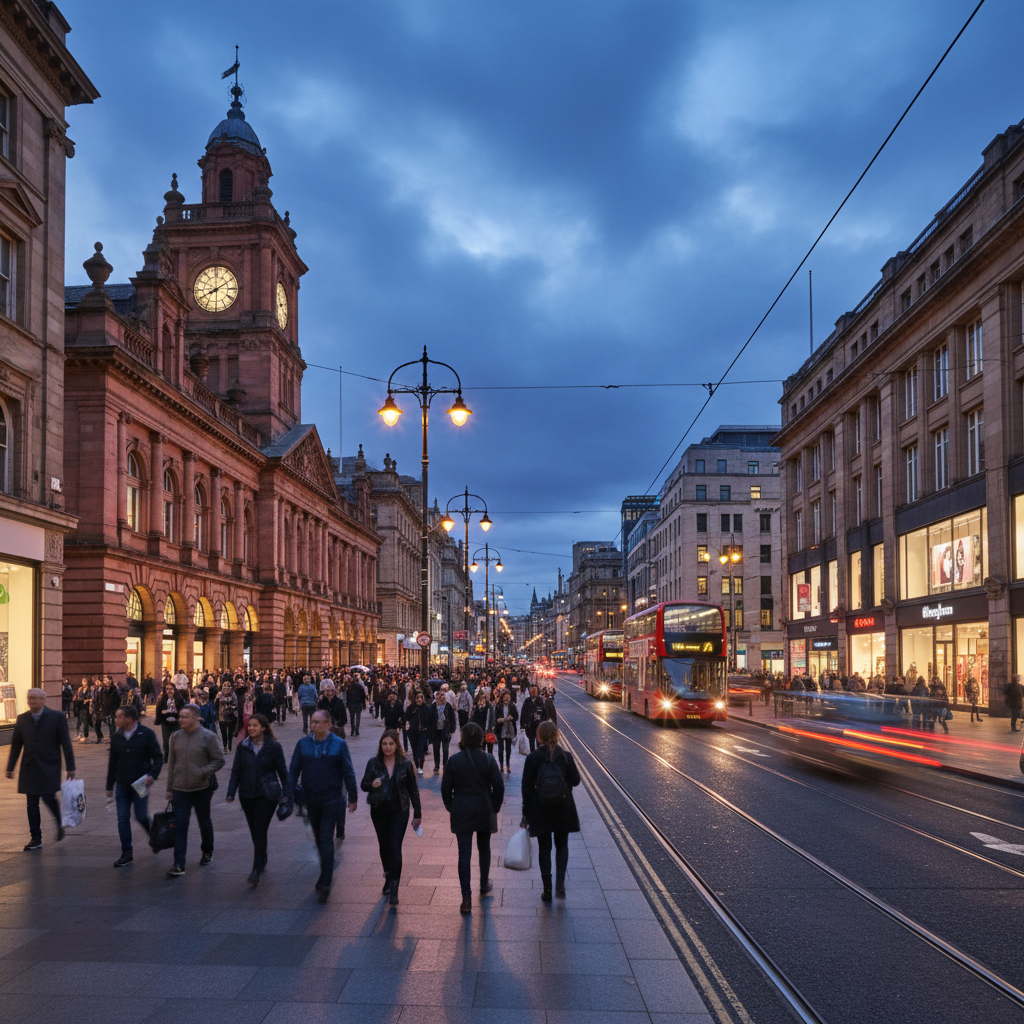
Police Scotland has arrested 43 people in the first month of operation of a new anti-social behaviour zone covering Glasgow city centre, with the majority detained for breaching dispersal orders introduced in late May.
The temporary dispersal zone gives officers powers to order groups causing or likely to cause alarm or distress to leave key central locations for up to 24 hours, with failure to comply resulting in arrest. The zone encompasses Glasgow Central Station, St Enoch Square and Union Street.
Arrests concentrated on order breaches
Police Scotland confirmed that most of the 43 arrests were for breaches of dispersal orders and related offences during the zone's first month of operation. The powers allow officers to move on individuals or groups they believe are causing or likely to cause harassment, alarm or distress to members of the public.
Under the scheme, those ordered to disperse must leave the designated area and cannot return for up to 24 hours. Refusing to comply or returning within the exclusion period constitutes an offence punishable by arrest. Officers have reported that many of those arrested had been previously issued with dispersal orders but chose to return to the same locations within the prohibited timeframe.
The arrests have occurred across different times of day, though police data suggests incidents peak during evening hours when the city centre sees increased footfall from commuters and evening entertainment. Weekend periods have also seen higher enforcement activity, particularly around transport hubs where groups tend to congregate.
Business complaints prompt crackdown
The dispersal zone was introduced following repeated incidents of disorder, shoplifting and street harassment reported by businesses and residents in Glasgow's commercial heart. The problems had been particularly acute around transport hubs and shopping areas, prompting calls for enhanced police powers.
Local retailers and hospitality businesses had complained that groups congregating in the city centre were deterring customers and creating an intimidating atmosphere, particularly during evening hours and weekends. Shop owners reported incidents of aggressive begging, public drinking, and groups blocking entrances to premises.
Glasgow City Council received formal complaints from business associations representing hundreds of retailers, who argued that the anti-social behaviour was affecting trade and making staff feel unsafe. The complaints detailed specific incidents including verbal abuse of customers, littering, and drug-related activity in doorways and public spaces.
Transport operators also raised concerns about passenger safety around Central Station, with reports of intimidating behaviour affecting commuters using the busy rail hub. These complaints formed part of the evidence base used to justify the dispersal zone's introduction.
Mixed response from community groups
Local community representatives have welcomed the clampdown on anti-social behaviour but raised concerns about how the powers are being applied to young people and vulnerable groups. Some advocacy organisations worry that the dispersal orders could criminalise homelessness or target teenagers with nowhere else to go.
Housing charities have expressed particular concern that rough sleepers could be moved on repeatedly without being offered alternative accommodation or support services. They argue that the dispersal powers address symptoms rather than underlying causes of street homelessness and social exclusion.
Youth workers have also questioned whether the zone adequately distinguishes between genuinely anti-social behaviour and young people simply socialising in public spaces. They worry that the powers could be used disproportionately against groups of teenagers who may appear intimidating but are not actually causing harm.
The concerns reflect broader debates about balancing public safety with proportionate policing, particularly in urban centres where different communities compete for public space. Civil liberties groups have called for clear guidelines on how officers determine when behaviour crosses the threshold for dispersal action.
Police reviewing scheme's effectiveness
Police Scotland is currently reviewing the scheme's impact on both public safety and city centre footfall as the initial trial period continues. Officers are examining whether the arrests have led to a measurable reduction in reported incidents and whether businesses are seeing improved trading conditions.
The force is also assessing whether the dispersal powers are being used proportionately and whether they are successfully addressing the underlying causes of anti-social behaviour rather than simply displacing problems to other areas. Early indications suggest some displacement to neighbouring streets outside the designated zone boundary.
Police commanders are analysing crime statistics from before and after the zone's introduction to measure its effectiveness. They are also gathering feedback from business owners, transport operators, and regular city centre users to assess whether the public feels safer in the designated areas.
The review will examine whether the 43 arrests represent a proportionate response to the scale of problems reported, and whether alternative interventions might be more effective for certain categories of offender. Officers are particularly interested in whether repeat offenders are being successfully deterred or simply cycling through the arrest process.
According to the BBC report, the temporary nature of the zone means authorities must demonstrate its effectiveness to justify any extension beyond the current trial period. The review will inform decisions about whether to make the powers permanent or expand them to other parts of the city, with Glasgow City Council expected to receive detailed findings within the next month.