Labour Landslide Ends 14 Years of Conservative Rule as Starmer Heads to Downing Street
Sir Keir Starmer set to become Prime Minister after Labour secures commanding majority across England and Scotland, with Rishi Sunak conceding defeat following heavy Conservative losses.
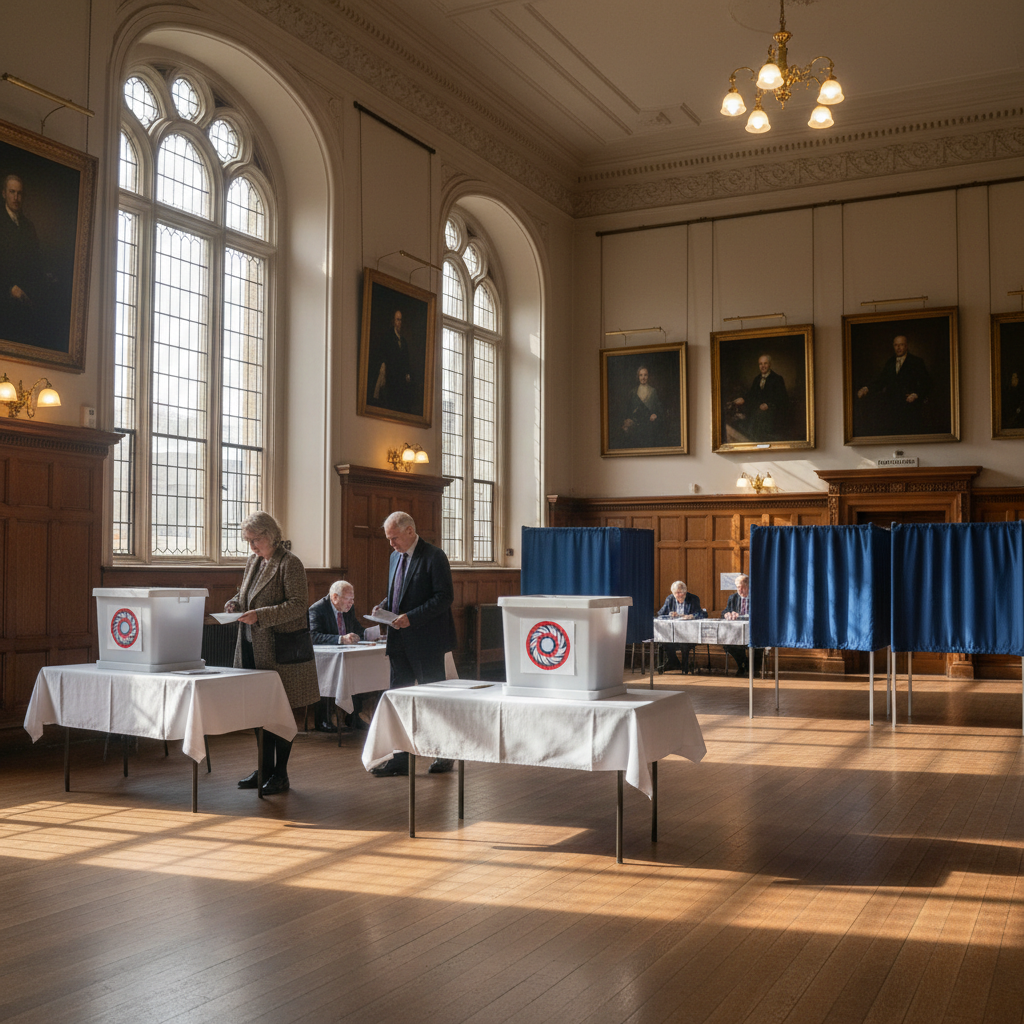
Labour has secured a landslide victory in the UK general election on 26 June 2026, bringing an end to 14 years of Conservative government and paving the way for Sir Keir Starmer to become Prime Minister. Early results and exit polls confirmed Labour winning a large majority of seats in the House of Commons, whilst the Conservatives suffered devastating losses across England and Scotland.
Rishi Sunak conceded defeat in the early hours, acknowledging the scale of the swing against his party as constituency after constituency fell to Labour candidates. The result represents one of the most significant electoral shifts in recent British political history, with Labour making substantial gains in former Conservative strongholds that had been considered safe seats.
Scottish Seats Contribute to Labour Surge
Scotland played a crucial role in Labour's commanding victory, with the party making significant inroads north of the border alongside their English gains. The swing against the Conservatives was particularly pronounced in Scottish constituencies that had remained loyal to the Tories through previous electoral cycles, contributing to the overall magnitude of Labour's triumph.
Turnout was reported to be relatively high across Scottish constituencies, suggesting strong voter engagement with the choice between continuing Conservative governance or backing Labour's alternative vision. The results mark a notable shift in Scotland's electoral landscape, with implications for the balance of power between Holyrood and Westminster.
Labour's Scottish breakthrough comes after years of rebuilding north of the border, where the party had previously struggled to regain ground lost to the SNP and Conservatives in recent electoral cycles. The party's ability to appeal to voters across different regions of Scotland demonstrates the breadth of their national appeal and suggests a more unified approach to UK-wide campaigning.
Starmer Prepares for Number 10
Sir Keir Starmer is now set to enter Downing Street as Prime Minister, inheriting a range of pressing challenges including economic recovery, public service reform, and constitutional questions about the future of the Union. His victory speech emphasised the scale of the mandate Labour has received from voters across the UK.
The incoming Labour government will face immediate decisions on economic policy, with public services and spending priorities likely to feature prominently in early policy announcements. Starmer's team has been preparing for government throughout the campaign, with shadow ministers expected to take up their respective portfolios in the coming days.
Senior Labour figures have already begun outlining their priorities for the first 100 days in office, with healthcare, education funding, and economic stability featuring prominently in early briefings. The transition team has been working closely with civil service departments to ensure a smooth handover of power, recognising the scale of challenges facing the incoming administration.
Constitutional Implications for Scotland
The election result carries significant implications for Scotland's relationship with Westminster, particularly given Labour's strong performance north of the border. The new government's approach to devolution and inter-governmental relations will be closely watched by the Scottish Government and political observers.
Labour's victory may alter the dynamic between Holyrood and Westminster that has characterised much of the past 14 years under Conservative rule. The party's manifesto commitments on devolution and constitutional reform will now face the test of implementation, with Scottish politicians across parties likely to scrutinise early policy decisions.
The result also raises questions about the future direction of Scottish independence debates, with Labour's strengthened position potentially shifting the terms of constitutional discussions. Political analysts suggest the new government's approach to Scotland will be crucial in determining the long-term stability of the Union and the effectiveness of devolved governance arrangements.
Conservative Reckoning After Historic Defeat
The Conservative Party faces a period of soul-searching following what represents one of their worst electoral performances in decades. The scale of losses across traditional strongholds suggests fundamental questions about the party's direction and leadership will dominate internal discussions in the coming weeks.
Several prominent Conservative MPs lost their seats in constituencies that had been considered safe, highlighting the depth of voter dissatisfaction with the party's record in government. The electoral map now shows large swathes of formerly Conservative territory under Labour control, fundamentally altering the political geography of Britain.
Rishi Sunak's acknowledgement of defeat signals the beginning of what is likely to be a lengthy rebuilding process for the Conservatives. The party's reduced presence in the House of Commons will significantly limit their ability to influence government policy, with leadership questions expected to dominate the coming months as the party attempts to chart a path back to electoral competitiveness.
Economic and Policy Priorities Ahead
The new Labour government inherits significant economic challenges, including ongoing pressures on public finances and questions about long-term growth strategy. Early indicators suggest the party will prioritise investment in public services whilst maintaining fiscal responsibility, though specific policy details remain to be announced.
International observers will be watching closely to see how the change in government affects Britain's relationships with European partners and other key allies. Labour's approach to trade policy and international cooperation may signal a shift from the previous government's strategies, according to the BBC's election coverage.
The result marks a watershed moment in British politics, with Labour's landslide providing a clear mandate for change after more than a decade of Conservative governance. The new government's early decisions on key policy areas will set the tone for what promises to be a transformative period in UK politics, with particular attention on how Labour's victory reshapes the relationship between Westminster and the devolved nations.