Universal free school meals to reach all Scottish primary pupils by 2029
Scottish Government commits £200m to extend free meals programme, building on successful pilots that showed improved attendance and concentration.
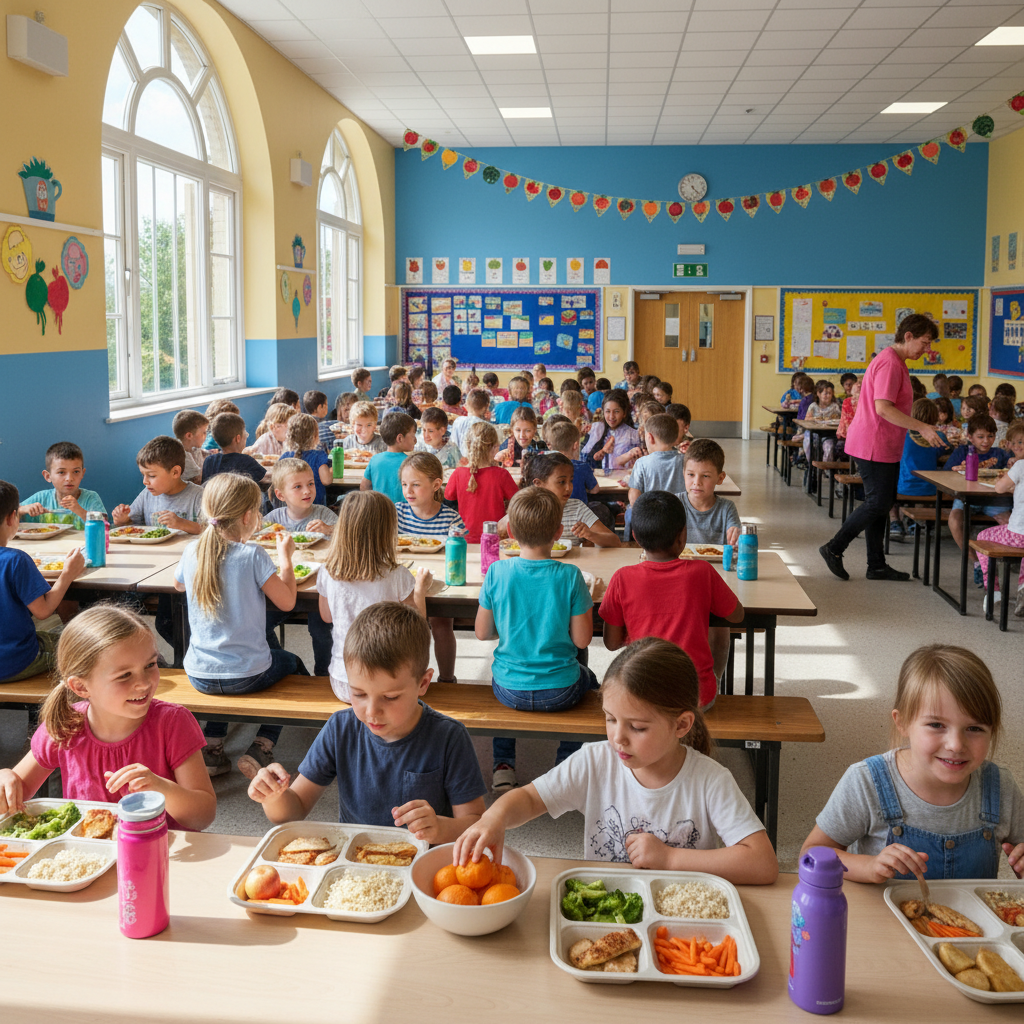
The Scottish Government has confirmed plans to extend universal free school meals to all primary school children by August 2029, as part of a £200 million package aimed at tackling child poverty and supporting families across Scotland. The announcement, made on 26 June, will see the current programme expanded from its existing coverage of primaries 1 to 5 to include all primary pupils within three years.
Under the phased rollout, primary 6 pupils will gain access to free meals from 2027, with primary 7 students included by 2029. The timeline depends on local authority delivery capabilities and necessary kitchen infrastructure upgrades across Scotland's diverse school estate.
Investment targets infrastructure and staffing challenges
Ministers said the £200 million investment will fund kitchen infrastructure improvements, additional staffing and food costs across Scotland's 32 local authorities. The funding recognises the significant logistical challenges facing councils, particularly in rural areas where school kitchens may require substantial upgrades to handle increased meal production.
The investment breakdown includes approximately £120 million for infrastructure improvements, £50 million for additional staffing costs, and £30 million for ongoing food procurement and supply chain enhancements. Rural authorities in the Highlands and Islands face particular challenges, with some schools requiring complete kitchen refurbishments to meet increased demand.
Councils across Scotland's cities and rural areas have warned of capacity and staffing challenges but broadly welcomed the policy's potential impact on nutrition and household budgets. Several local authorities have already begun preliminary assessments of their kitchen facilities, with some identifying the need for additional cooking equipment and expanded serving areas to accommodate universal provision.
Anti-poverty groups welcome expansion but urge faster delivery
Anti-poverty campaigners have described the move as a significant step toward reducing stigma around free school meals and ensuring all children have access to at least one hot, healthy meal each day. However, several organisations have urged faster implementation, particularly in communities experiencing the highest levels of deprivation.
Child Poverty Action Group Scotland highlighted that the current means-testing system creates barriers for families who may be eligible but don't apply due to stigma or complex application processes. The organisation estimates that up to 15% of eligible families currently don't access free school meals under the existing system.
The universal approach removes the current means-testing system that requires families to apply for free meal eligibility, eliminating barriers that can prevent uptake among eligible households. Campaigners argue this will particularly benefit families just above current income thresholds who struggle with food costs but don't qualify for existing support.
Pilots show promising results for attendance and learning
The announcement builds on successful pilot programmes introduced in parts of Glasgow, Dundee and the Highlands, where schools reported measurable improvements in attendance and concentration levels after universal provision was introduced. These pilots provided crucial evidence for the wider rollout, demonstrating both operational feasibility and educational benefits.
In Glasgow's pilot schools, attendance rates increased by an average of 2.3% during the trial period, while teachers reported 40% fewer instances of children appearing hungry or distracted during afternoon lessons. The Dundee pilot showed similar results, with headteachers noting improved classroom behaviour and engagement levels among pupils.
Teachers in pilot schools noted that children arrived more settled for afternoon lessons and showed better focus during learning time. The programmes also reduced administrative burden on school staff, who previously managed complex eligibility checking and payment systems. One Highland school reported saving approximately eight hours per week in administrative time previously spent processing meal applications and payments.
Programme aims to reshape family budgets and wellbeing
The universal programme is expected to provide significant financial relief for Scottish families, with the average household potentially saving hundreds of pounds annually on school meal costs. Current school meal prices across Scotland range from £2.20 to £2.80 per day, meaning families with multiple primary-age children could save over £1,000 annually once the programme is fully implemented.
This saving could prove particularly valuable as families continue to face pressure from rising food and energy costs. Recent surveys indicate that 28% of Scottish families with school-age children have reduced spending on groceries to manage household budgets, making the guaranteed school meal provision increasingly important for family financial planning.
Beyond financial benefits, the policy aims to improve nutritional outcomes for children across Scotland's urban and rural communities. The programme ensures consistent access to balanced meals that meet nutritional standards, regardless of family circumstances or geographic location. Nutritionists have emphasised that regular access to hot, balanced meals during the school day can significantly impact children's physical development and academic performance.
The Scottish Government's commitment represents one of the largest investments in school meal provision in recent years, according to the BBC report covering the announcement. Implementation will require close coordination between government, local authorities and school communities to ensure successful delivery by the 2029 target date, with annual progress reviews planned to monitor rollout effectiveness and address emerging challenges.