Scotland records hottest June on record as climate risks mount
Met Office confirms provisional average temperature of 14.5C broke previous 2018 record, with meteorologists warning of increased heat stress and infrastructure strain.
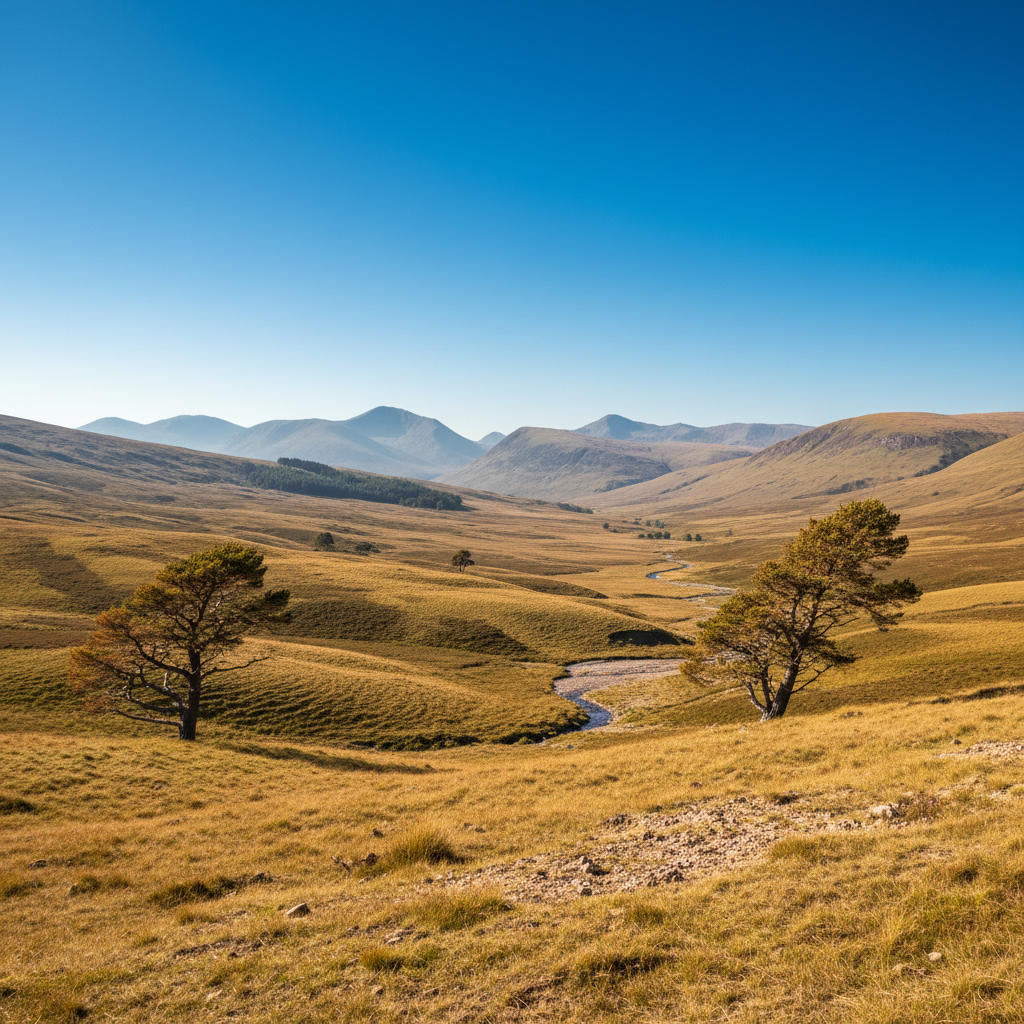
Scotland has experienced its hottest June since records began, with the Met Office confirming on 2 July a provisional average temperature of around 14.5C that surpassed the previous record set in 2018. The UK as a whole also recorded its warmest June on record, driven by persistent high-pressure systems and unusually warm sea surface temperatures in the North Atlantic.
The record-breaking temperatures have prompted fresh warnings from climate scientists about Scotland's preparedness for increasingly volatile weather patterns, with particular concern over the strain on health services and vulnerable communities.
Elevated night temperatures raise health concerns
Meteorologists highlighted that night-time temperatures remained elevated across much of Scotland throughout June, creating conditions that increase heat stress risks for vulnerable populations. The sustained warmth has placed additional pressure on health and social care services, which are already stretched across many Scottish councils.
The lack of natural cooling during evening hours represents a significant shift from Scotland's traditionally temperate climate, where residents and infrastructure have historically relied on cooler nights to provide relief from daytime heat. This pattern mirrors trends observed across northern Europe, where urban heat islands are becoming more pronounced.
Scientists warn of accelerating climate trends
Climate scientists have cited the new temperature record as further evidence of long-term warming trends affecting northern Europe. They warn that Scotland must prepare for more frequent heatwaves, which could bring greater wildfire risk to upland areas and significant impacts on agriculture and water resources.
The agricultural sector faces particular challenges, with traditional Scottish crops and livestock adapted to cooler, wetter conditions. Water resources, already under pressure in some regions during dry spells, could face increased demand during extended hot periods while experiencing reduced replenishment from traditional sources.
Upland areas, including parts of the Highlands and Southern Uplands, face elevated wildfire risks as vegetation dries out more rapidly during sustained heat. Fire services have already noted increased callouts during previous hot spells, straining resources across rural Scotland.
Councils urged to accelerate heat-resilience planning
Local authorities have been urged to accelerate heat-resilience planning in response to the temperature records. Recommendations include improved building standards designed to cope with higher temperatures, expanded urban greening initiatives, and targeted support programmes for older and low-income residents who are most vulnerable to heat-related health impacts.
Many Scottish councils are still developing comprehensive heat action plans, with existing emergency protocols primarily focused on winter weather and flooding. The shift towards preparing for extreme heat represents a significant change in priorities for local government planning departments.
Building standards may need updating to incorporate better ventilation and cooling systems, particularly in social housing where residents may lack resources to adapt independently. Urban planning strategies are also being reassessed, with greater emphasis on tree cover and green spaces that can provide natural cooling.
Infrastructure and community adaptation challenges
The temperature records have highlighted broader questions about Scotland's infrastructure resilience. Transport networks, including rail services, have previously experienced disruption during hot weather as tracks expand and overhead lines sag. Energy networks also face increased demand for cooling while potentially operating at reduced efficiency during extreme heat.
Community groups and health charities have called for more proactive support systems, particularly in urban areas where the heat island effect can amplify temperatures beyond the national averages. Glasgow and Edinburgh, with their dense urban cores, are particularly susceptible to these effects.
According to the BBC report, the Met Office data confirms what many climate researchers have predicted: that Scotland's climate is shifting towards patterns more typically associated with regions further south.
Preparing for a hotter future
The June temperature record comes as Scotland develops its updated Climate Change Plan, with the Scottish Government facing pressure to incorporate more robust adaptation measures alongside emission reduction targets. Public health officials are reviewing heat-health warning systems and considering how to better protect vulnerable populations during future extreme weather events.
Water companies are also reassessing supply security, with some regions already implementing demand management measures during dry periods. The combination of higher temperatures and changing precipitation patterns could significantly alter Scotland's water resource management over the coming decades.
Emergency services are updating protocols to handle heat-related incidents, while care homes and hospitals review their cooling strategies. The challenge extends beyond immediate health impacts to encompass broader social and economic resilience as Scotland adapts to a climate that increasingly diverges from historical norms.