Kelvingrove unveils major exhibition confronting Glasgow's role in transatlantic slave trade
The city's flagship museum launches permanent display examining how wealth from enslaved labour shaped Glasgow's merchant class and civic institutions.
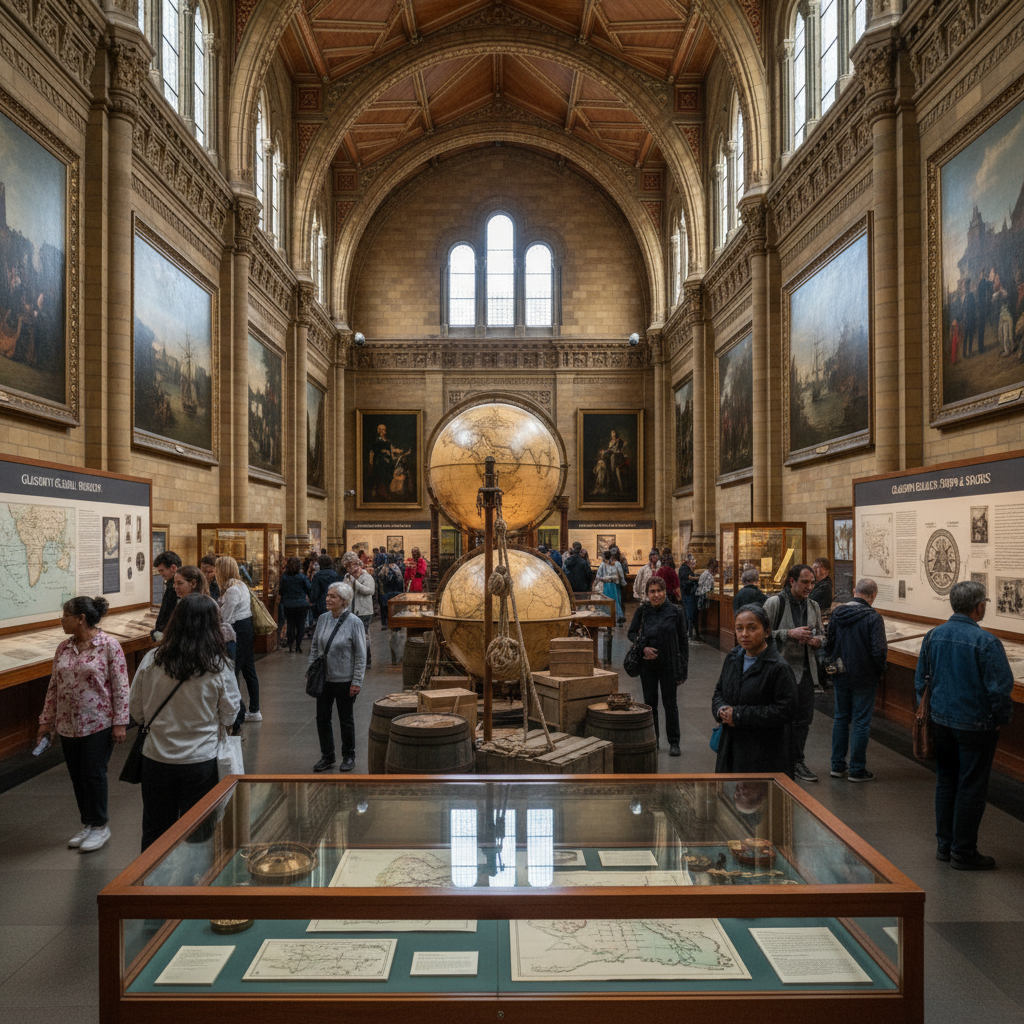
Kelvingrove Art Gallery and Museum has opened a new permanent exhibition directly confronting Glasgow's historic involvement in the transatlantic slave trade and British Empire. The display brings together objects, documents and personal stories showing how wealth from slavery shaped the city's merchant class, architecture and civic institutions.
Curators have assembled materials that highlight connections between everyday items such as tobacco, sugar and textiles and the exploitation of enslaved Africans on plantations in the Caribbean and Americas. The exhibition marks a significant shift in how Scotland's largest museum presents the city's past to its 1.5 million annual visitors.
Objects tell hidden stories
The permanent display uses items from Kelvingrove's existing collections to reveal previously unexplored narratives about Glasgow's prosperity. Tobacco pipes, sugar bowls and textile samples are presented alongside documentation showing how profits from slave labour funded the grand mansions and public buildings that still define the city centre today.
Personal stories of enslaved individuals feature prominently, giving names and faces to those whose labour generated the wealth that transformed Glasgow into one of Britain's most prosperous industrial cities. The exhibition challenges visitors to reconsider familiar objects and landmarks through this lens of exploitation and resistance.
Interactive elements allow visitors to trace specific trade routes and examine original shipping documents that record the movement of enslaved people alongside cargo manifests for sugar, tobacco and cotton. These primary sources demonstrate the bureaucratic machinery that underpinned the Atlantic slave economy and Glasgow's central role within it.
Museum confronts colonial legacy
The exhibition forms part of a wider programme by Glasgow Museums to address the legacies of slavery and empire throughout their collections. This includes updated interpretation across multiple sites and expanded community engagement projects designed to involve local voices in reshaping how these histories are told.
Museum director Duncan Dornan described the exhibition as essential for understanding Glasgow's development. Staff worked with community groups, academic researchers and descendants of enslaved people to ensure authentic representation of these histories. The collaborative approach reflects growing recognition that museums cannot tell these stories in isolation from affected communities.
The initiative represents one of the most comprehensive attempts by a major Scottish cultural institution to examine the country's role in slavery. Previous displays at Kelvingrove had touched on these themes, but never with such direct focus or permanent commitment to the subject matter. The museum has committed significant gallery space to ensure these narratives receive equal prominence alongside traditional art and natural history collections.
Responding to growing pressure
The new exhibition follows mounting local and national pressure for Scottish institutions to more fully acknowledge and educate the public about Scotland's participation in the slave trade. Academic research and community activism have increasingly challenged narratives that portrayed Scotland primarily as a victim of English imperialism rather than an active participant.
Glasgow's merchant families built fortunes through direct investment in slave plantations, while the city's banks, insurance companies and shipping firms facilitated the broader Atlantic economy built on enslaved labour. Prominent Glasgow families like the Buchanans and Glassfords owned multiple plantations across Jamaica and Virginia, using profits to construct the elegant Georgian squares that remain tourist attractions today.
The exhibition details how slave-derived wealth funded the construction of Glasgow University's original buildings, the Merchant City development and numerous churches and civic institutions. Street names throughout the city centre commemorate tobacco and sugar merchants whose fortunes depended entirely on enslaved labour, connections that remained largely unacknowledged in public discourse until recent decades.
Reshaping public memory
The permanent exhibition signals a broader transformation in how Scottish museums approach colonial history. By placing these narratives at the heart of Kelvingrove's offering, curators are ensuring that millions of visitors will encounter these difficult truths as part of their cultural experience.
Educational programmes accompanying the exhibition target school groups and adult learners, with materials designed to connect historical slavery to contemporary issues of racial justice and economic inequality. The museum plans regular community events and speaker programmes to maintain public engagement with these themes beyond the initial opening period.
The display also raises questions about how other Scottish institutions will respond to similar pressures for historical reckoning. Universities, civic buildings and cultural organisations across the country bear names and receive funding linked to slavery wealth, suggesting this exhibition may prompt wider conversations about commemoration and responsibility. Edinburgh Castle, Stirling University and numerous Highland estates face similar scrutiny over their colonial connections.
The BBC reports that Glasgow City Council is now reviewing street names and public monuments as part of a broader reckoning with the city's slave trade legacy, indicating the exhibition's influence may extend well beyond museum walls.
For Glasgow residents and visitors, the exhibition offers a chance to understand how the city's Georgian terraces, Victorian museums and modern prosperity all connect to a global system of exploitation that shaped the modern world. The permanent status of the display ensures these conversations will continue for years to come, establishing Kelvingrove as a leader in confronting difficult histories within Scotland's cultural sector.