Labour Government Retains Two-Child Benefit Cap Despite Scottish Opposition
Treasury ministers confirm controversial welfare policy will continue as part of fiscal discipline agenda, drawing criticism from Scottish anti-poverty campaigners.
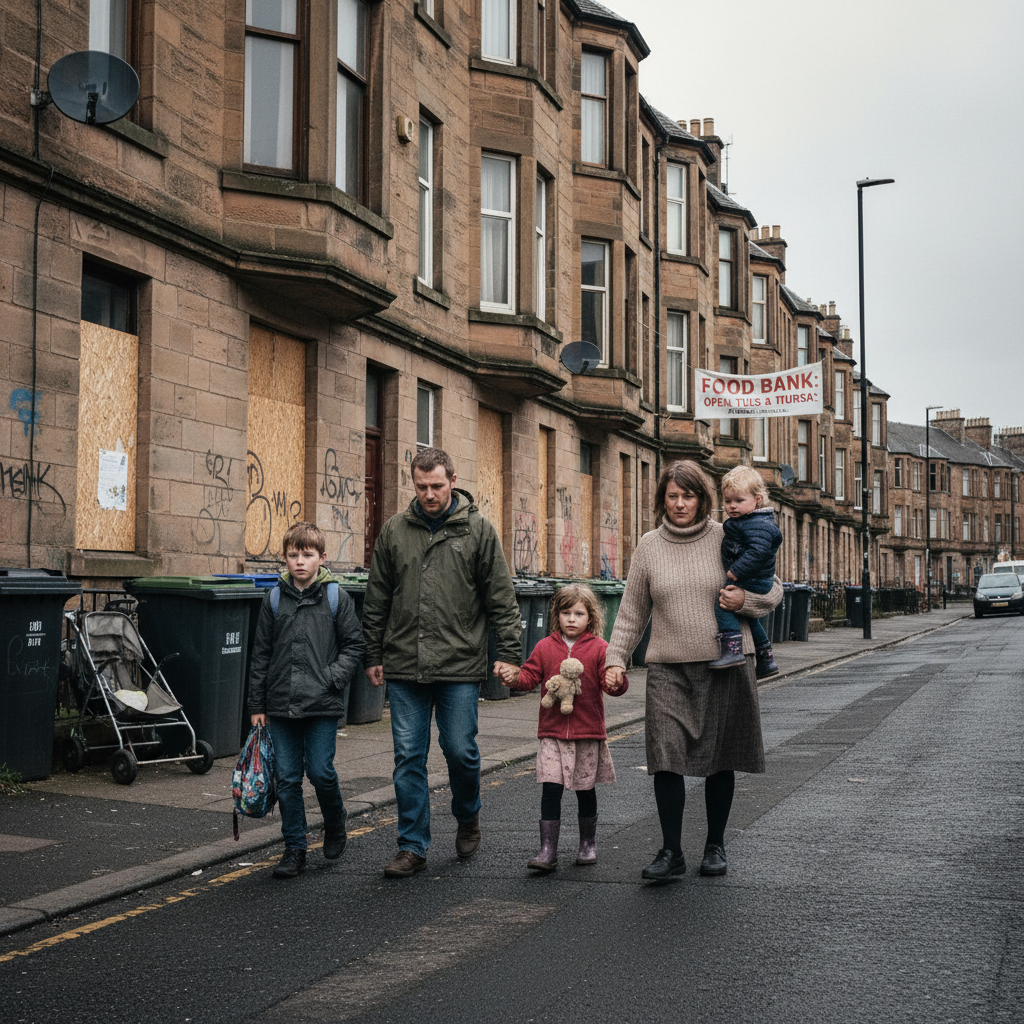
Senior figures in Keir Starmer's Labour government confirmed on 30 June that the UK's two-child limit on child benefit and Universal Credit will remain in place, despite sustained pressure from anti-poverty campaigners to scrap the controversial policy introduced in 2017.
The announcement came as Treasury ministers made clear that easing fiscal rules would not extend to major welfare expansions, with the cap retained as part of Labour's broader fiscal discipline agenda. The decision has sparked immediate criticism from Scottish charities, anti-poverty organisations and politicians who argue the policy disproportionately harms low-income families north of the border.
Scottish Organisations Voice Strong Opposition
Scottish charities and anti-poverty groups have condemned the decision, highlighting the policy's impact on families struggling with the cost of living. The Child Poverty Action Group Scotland and other organisations argue that maintaining the two-child limit undermines efforts to tackle child poverty in Scotland, where the Scottish Government has set ambitious targets to reduce childhood deprivation to less than 10% by 2030.
Politicians across Scotland's political spectrum have criticised the move, with many pointing to the disconnect between Westminster's welfare approach and Scotland's anti-poverty commitments. The policy restricts child benefit and Universal Credit payments to the first two children in a family, with limited exceptions for cases involving rape or other specific circumstances that require traumatic disclosure processes.
Scottish National Party MPs have described the decision as a betrayal of Labour's pre-election promises to tackle child poverty, while Scottish Liberal Democrats have called for urgent action to mitigate the policy's impact through devolved mechanisms. Even some Scottish Labour politicians have expressed discomfort with the Westminster party's position on the issue.
Tensions Over Devolved Powers and Fiscal Constraints
The Labour government's decision has intensified debate over the division of social security powers between Westminster and Holyrood. Critics argue that while Scotland has devolved certain welfare responsibilities, including the Scottish Child Payment and Best Start Grant, the retention of the two-child cap demonstrates the limits of Scottish autonomy in addressing poverty comprehensively.
The controversy has prompted renewed calls for Scotland to accelerate its use of devolved levers to mitigate the impact on Scottish households. Some politicians have suggested that Scotland should explore ways to supplement support for affected families through its existing devolved welfare powers, though such measures would require additional funding from the Scottish budget at a time when public finances are already stretched.
Scottish Government ministers have indicated they are examining options within their devolved competencies, but have emphasised that the fundamental injustice of the policy can only be addressed by Westminster action. The tension highlights the complex interplay between reserved and devolved powers in the UK's constitutional settlement.
Policy Background and Mounting Evidence of Impact
The two-child limit was introduced by the Conservative government in 2017 as part of broader welfare reforms aimed at reducing public spending by an estimated £1.4 billion annually. The policy affects families claiming child tax credit or Universal Credit for children born after 6 April 2017, with payments restricted to the first two children in most cases.
Anti-poverty campaigners have long argued that the policy pushes larger families deeper into poverty and creates perverse incentives around family planning. Research by the Institute for Fiscal Studies has suggested that the cap disproportionately affects certain communities and regions, including Scotland, where larger families may be more common in some areas, particularly in rural and island communities.
Recent data indicates that approximately 450,000 households across the UK are affected by the policy, with an estimated 1.6 million children living in families subject to the cap. In Scotland, the policy is estimated to affect around 40,000 households, with the average loss per affected family calculated at approximately £3,200 per year for each additional child beyond the second.
The decision to retain the policy comes despite Labour's previous criticism of Conservative welfare cuts during their time in opposition. According to the Guardian report, Treasury ministers emphasised that fiscal responsibility would take priority over welfare expansion in the new government's approach, citing the need to maintain market confidence and control public spending.
What Happens Next for Affected Families
The confirmation that Labour will maintain the two-child cap is likely to fuel ongoing tensions between the UK and Scottish governments over welfare policy. Scottish ministers may now face increased pressure to find alternative ways to support affected families through devolved mechanisms, potentially expanding the Scottish Child Payment or introducing new targeted support schemes.
Anti-poverty organisations are expected to continue campaigning against the policy, potentially focusing their efforts on securing Scottish Government action where Westminster policy cannot be changed. The issue may also feature prominently in future discussions about the devolution of additional welfare powers to Scotland, with some arguing that the episode demonstrates the need for greater Scottish control over social security.
Parliamentary scrutiny is likely to intensify, with opposition MPs expected to table questions and amendments challenging the government's position. The policy may become a recurring source of tension within Labour's own ranks, particularly among Scottish MPs who face pressure from constituents affected by the cap.
For affected families, the decision means continued financial pressure, with no immediate prospect of relief from Westminster. The focus will now shift to what support mechanisms the Scottish Government and local authorities can provide within their existing powers to help mitigate the impact of the ongoing cap, while campaigners prepare for a longer-term battle to secure policy reversal.