Starmer's landslide victory reshapes Westminster as Tories face worst defeat in history
Labour's 412-seat majority ends 14 years of Conservative rule, with implications for Scotland as new cabinet takes shape.
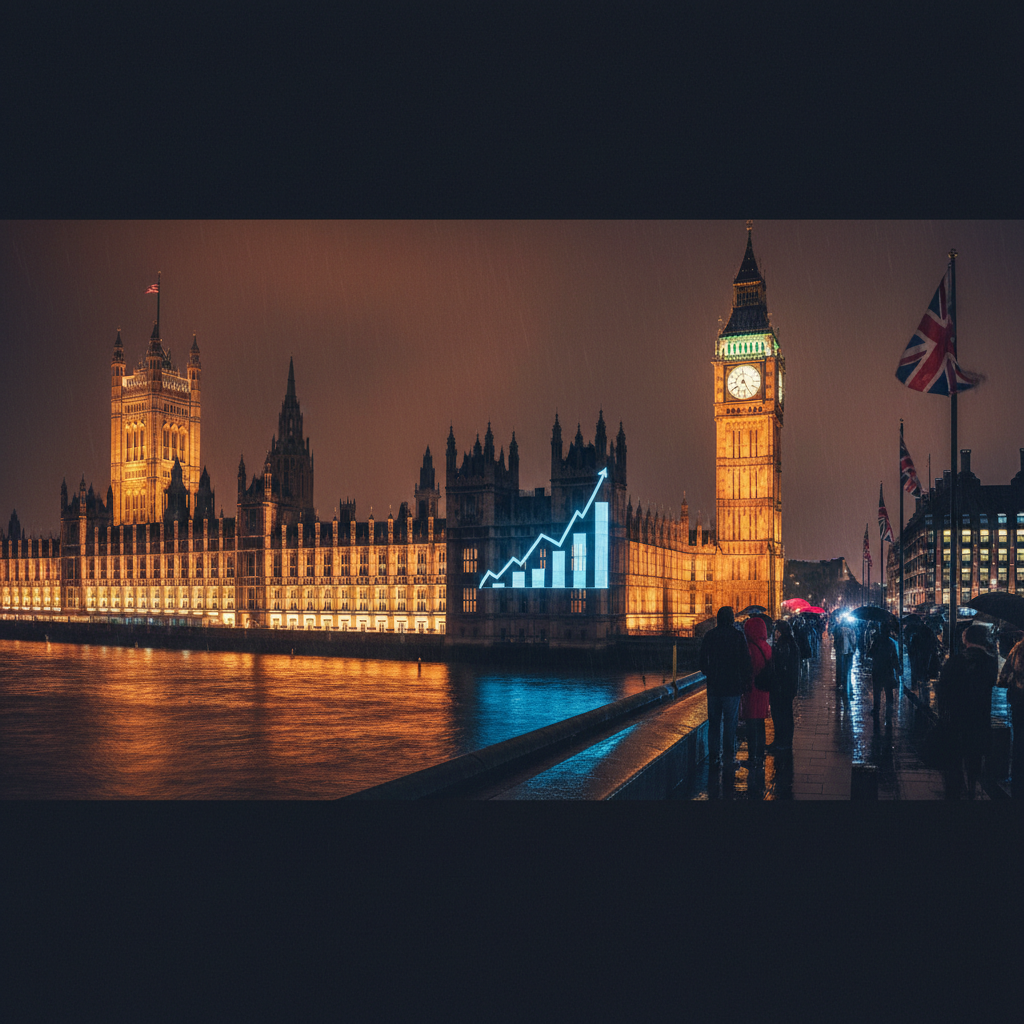
Sir Keir Starmer became Britain's new prime minister on 5 July after Labour secured a crushing general election victory, winning approximately 412 seats and a majority of about 174 in the House of Commons. The result marks the end of 14 years of Conservative government and delivers the Tories their worst electoral performance in party history.
Outgoing prime minister Rishi Sunak conceded defeat in the early hours, accepting full responsibility for his party's collapse to around 121 MPs. Sunak confirmed he will step down as Conservative leader once arrangements for choosing his successor are finalised, leaving the party to confront an existential crisis about its future direction.
New Cabinet Takes Shape
Starmer has moved swiftly to appoint his first cabinet, signalling Labour's priorities after more than a decade in opposition. Rachel Reeves is expected to take the Treasury brief as Chancellor, whilst Angela Rayner will likely assume the Deputy Prime Minister role. David Lammy appears set for the Foreign Office, marking a significant shift in Britain's international positioning.
The appointments suggest Labour will pursue markedly different economic and constitutional policies from their Conservative predecessors. Reeves, a former Bank of England economist, has already indicated plans to review taxation policies and public spending priorities that defined the Conservative era. Her appointment signals Labour's intention to restore what Starmer has called "economic credibility" after years of market turbulence under previous Tory chancellors.
For Scotland, this cabinet reshuffle could prove particularly significant given the party's stated commitment to improving relations between Westminster and the devolved administrations. Labour sources suggest early meetings with Scottish government officials are already being scheduled to reset the tone of intergovernmental relations.
Scottish Implications
The scale of Labour's victory raises immediate questions about the future of UK-Scotland relations. With such a commanding Westminster majority, Starmer's government will have considerable scope to reshape constitutional arrangements and economic policy affecting all parts of the union.
Labour's success north of the border, whilst the precise Scottish results remain to be fully tallied, appears to have contributed meaningfully to the overall landslide. Early constituency declarations suggest Labour has regained significant ground in traditional Scottish strongholds lost during the party's wilderness years, potentially winning back seats in Glasgow, Edinburgh, and former industrial heartlands.
This could strengthen the party's hand in negotiations with Holyrood whilst potentially altering the dynamics of Scottish independence debates. Scottish Labour figures have already begun discussing how Westminster's new approach might address long-standing grievances about funding formulas and devolved powers that have fuelled constitutional tensions.
Conservative Reckoning
The Conservative Party now faces its most severe electoral defeat since records began, reduced from governing party to what may prove a rump opposition. The scale of the loss—falling from their 2019 majority to barely 121 seats—has triggered immediate soul-searching about the party's direction after losing power.
Internal Conservative voices are already questioning whether the party moved too far from its traditional base or failed to adapt sufficiently to changing voter priorities. Former cabinet ministers who lost their seats include several long-serving figures who had been considered leadership contenders, fundamentally altering the party's future trajectory.
The leadership contest to replace Sunak will likely centre on these fundamental questions about Conservative identity and electoral strategy. Potential candidates are expected to emerge from the diminished parliamentary party, though the reduced talent pool may limit options significantly compared to previous leadership races.
Senior Tory figures privately acknowledge that rebuilding from such a comprehensive defeat may take multiple electoral cycles, particularly given Labour's substantial parliamentary buffer. The party's fundraising capacity and organisational structure will face immediate pressure as major donors reassess their commitments following the electoral catastrophe.
What Comes Next
Starmer faces the immediate challenge of translating his electoral mandate into effective governance. With such a large majority, managing his own backbenches may prove as significant as dealing with Conservative opposition. The new parliamentary intake includes numerous first-time MPs whose expectations and priorities may test party discipline.
The new prime minister has signalled intentions to reset relationships with European partners whilst maintaining core commitments on economic policy. His cabinet appointments will provide early indicators of how aggressively Labour intends to reverse Conservative policies across taxation, regulation, and constitutional matters.
Immediate priorities include addressing the cost-of-living crisis that dominated the campaign, with Reeves expected to announce emergency measures within the first 100 days. Labour has committed to maintaining fiscal responsibility whilst increasing public investment, a balancing act that will define the government's early months.
For Scotland specifically, the new government's approach to devolution, economic development, and independence questions will become clearer as ministerial appointments are finalised and policy priorities emerge. According to Reuters reporting, the transition process has already begun with civil service briefings for incoming ministers.
The Conservative leadership contest will unfold against this backdrop of comprehensive defeat, with potential candidates likely to emerge once the full scale of losses becomes apparent and the party begins its lengthy process of renewal. The timeline for this contest remains unclear, though party rules suggest it could extend into the autumn months.