Starmer's welfare cuts plan sparks Labour rebellion as Scottish MPs face constituency pressure
Dozens of Labour MPs threaten to vote against benefit reforms in Tuesday's Commons showdown, testing party unity days after the election landslide.
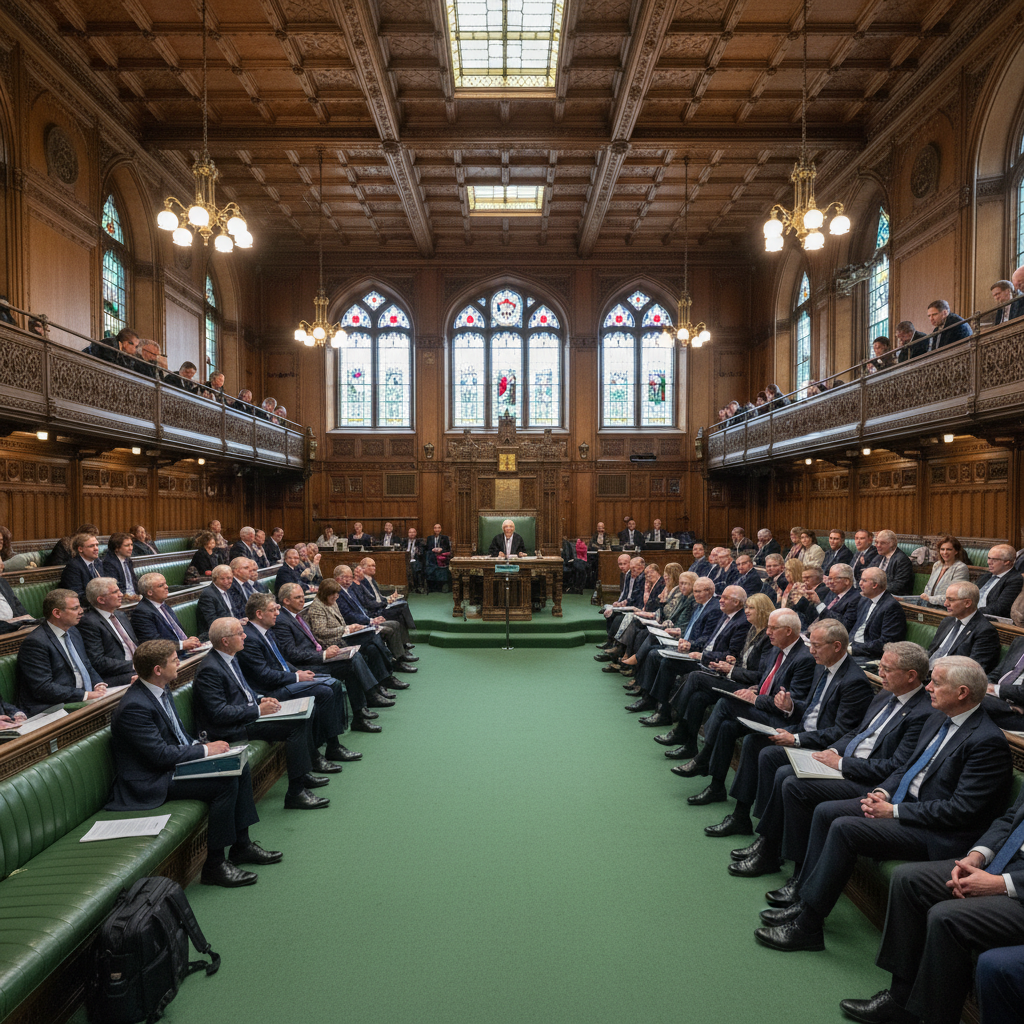
Prime Minister Keir Starmer faces his first major backbench rebellion as dozens of Labour MPs prepare to oppose the government's welfare reform bill in Tuesday's Commons vote, with Scottish members caught between party loyalty and constituency concerns over benefit cuts during the ongoing cost-of-living crisis.
The draft legislation would tighten eligibility criteria and strengthen sanctions for out-of-work benefits as part of Labour's drive to reduce welfare spending, prompting fierce internal opposition from MPs who warn the measures will harm vulnerable claimants across Scotland and beyond.
Scottish Labour MPs torn between Westminster and constituencies
The rebellion poses particular challenges for Labour's Scottish contingent, many representing constituencies where anti-austerity sentiment runs deep following years of Conservative welfare cuts. Scottish MPs who campaigned against Tory benefit sanctions now find themselves asked to support similar measures under a Labour government, creating uncomfortable parallels with the party's difficult recent history north of the border.
Several Scottish Labour sources suggest constituency pressure is mounting, with local party branches and trade unions expressing alarm at the proposed reforms. The timing proves especially awkward given Labour's recent electoral success was built partly on promises to end Conservative austerity policies that disproportionately affected Scotland's most deprived communities.
Starmer defends reforms despite growing opposition
Speaking on Monday, Starmer defended both the welfare policy and his leadership approach, insisting the reforms are necessary to boost employment whilst promising protections for those genuinely unable to work. The Prime Minister rejected calls to water down the legislation, arguing that tough decisions are required to restore economic credibility after years of Conservative mismanagement.
Deputy Prime Minister Angela Rayner told MPs the vote will proceed as scheduled on Tuesday 7 July despite mounting pressure to delay or substantially amend the legislation. Rayner's stance signals the government's determination to push through its agenda even at the cost of early parliamentary friction.
Party unity tested days after election triumph
The rebellion threatens to overshadow Labour's commanding election victory, testing party discipline within days of taking office. The scale of potential opposition remains unclear, but sources suggest the revolt could involve several dozen MPs, making it one of the largest backbench rebellions faced by any new government in recent memory.
For Scottish Labour, the controversy revives uncomfortable memories of the party's struggles to differentiate itself from Westminster policies that proved unpopular north of the border. The welfare vote arrives as Scottish Labour seeks to rebuild trust with voters who abandoned the party for the SNP partly over concerns about Labour's rightward drift on economic policy.
Constitutional and electoral implications
The welfare rebellion carries broader implications for Labour's relationship with Scotland, where the party made significant gains in the recent election but remains vulnerable to SNP attacks over Westminster-imposed policies. Scottish National Party politicians are already seizing on the controversy to argue that only independence can protect Scotland from unwanted welfare cuts, regardless of which party governs at Westminster.
Trade union leaders, crucial to Labour's Scottish operation, have expressed growing unease about the direction of welfare policy under Starmer's leadership. The GMB and Unite unions, both influential in Scottish Labour circles, have warned that benefit cuts during a cost-of-living squeeze risk undermining the party's commitment to protecting working-class communities.
The vote's outcome will provide an early indication of Starmer's authority over his parliamentary party and his willingness to face down internal opposition to deliver on manifesto commitments. For Scottish Labour MPs, Tuesday's division represents a crucial test of where their loyalties lie when Westminster priorities clash with constituency concerns, according to the BBC report.
What happens next
Tuesday's Commons vote will determine whether Starmer can maintain party discipline or faces a damaging early defeat that could embolden future rebellions. The government appears determined to press ahead regardless of the political cost, betting that voters will ultimately reward fiscal responsibility over internal party harmony.
Should the rebellion succeed in blocking or significantly amending the legislation, it would represent a major blow to Starmer's authority and could encourage further backbench resistance to unpopular policies. Conversely, a government victory achieved through heavy whipping might leave lasting resentment among Labour's left wing, particularly in Scotland where the party's recovery remains fragile.