Starmer's Welfare Cuts Expose Growing Rift Between Westminster and Scottish Values
The Prime Minister's £5.5bn benefit reform survives Commons rebellion, but deepens questions about Labour's direction on social justice.
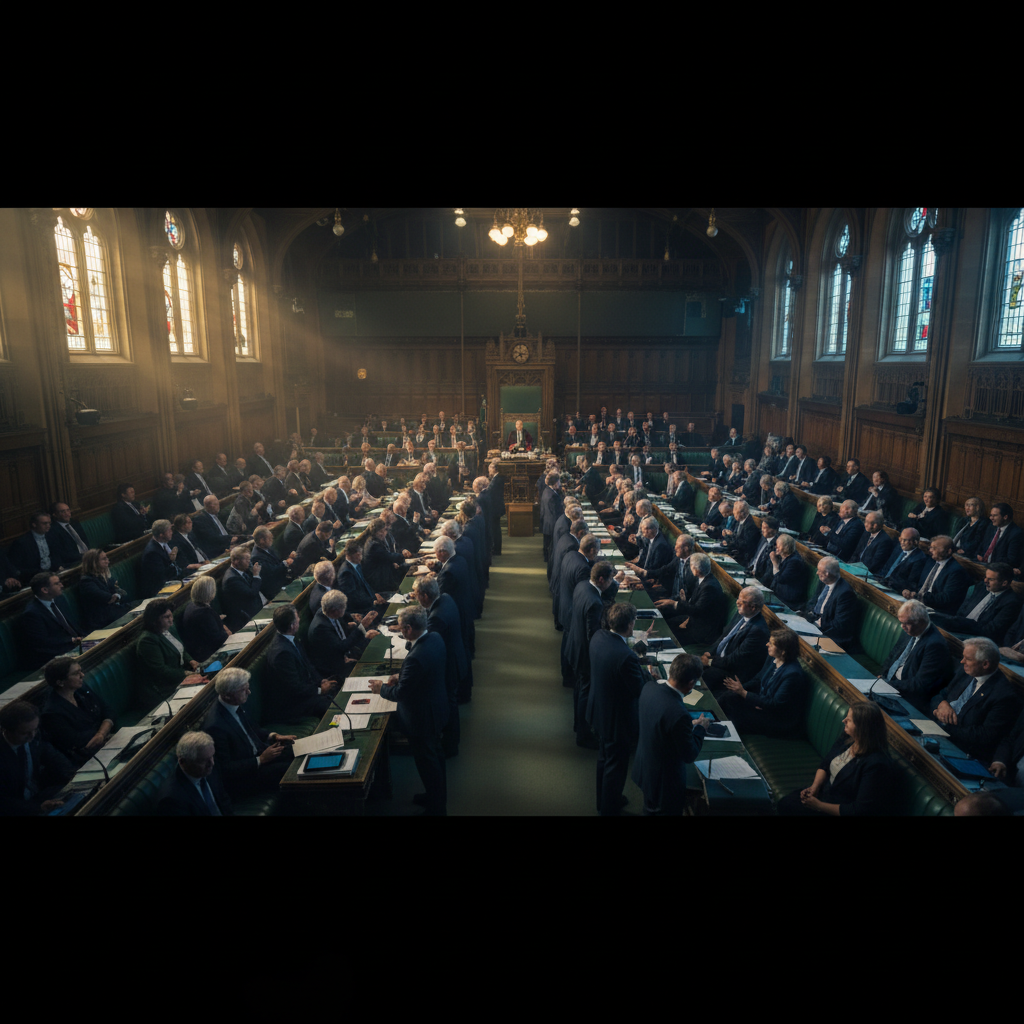
Prime Minister Keir Starmer secured a narrow victory on Tuesday as his controversial welfare reform bill passed its second reading in the House of Commons by 75 votes, despite more than 50 Labour MPs defying the party whip in the largest backbench revolt since the party took office. The legislation, projected to save £5.5 billion through tighter eligibility rules for Universal Credit and Personal Independence Payment, exposes a fundamental tension between Labour's fiscal conservatism and the social democratic values that have long defined Scottish politics.
The rebellion centred on provisions that tighten eligibility criteria for sickness and disability benefits and overhaul work capability assessments. While ministers managed to limit some changes to new claimants only after facing internal pressure, the core thrust of the reforms remains intact. For Scotland, where one in five adults receives some form of disability benefit—among the highest rates in the UK—the implications could be profound.
Scottish Labour Caught Between Two Worlds
The vote highlights an uncomfortable reality for Scottish Labour: Westminster's rightward drift on welfare sits uneasily with Scotland's political consensus. While Starmer frames the reforms as necessary for fiscal discipline and labour market participation, Scottish politicians across parties have historically championed more generous social provision. The Scottish Government's own anti-poverty strategy, with its emphasis on dignity and human rights, stands in stark contrast to Westminster's emphasis on work requirements and means-testing.
Several Scottish Labour MPs were among those who voted against or abstained, though the party leadership has declined to name them publicly. Their rebellion reflects broader unease within Scottish Labour about being seen to abandon the party's traditional commitment to social justice. For a party still rebuilding its credibility north of the border after years in the wilderness, supporting benefit cuts risks reinforcing perceptions that Labour has lost touch with Scottish values.
The Human Cost North of the Border
Anti-poverty groups warn the reforms will hit Scotland's most vulnerable communities hardest. The changes to work capability assessments could affect thousands of Scots with long-term health conditions, while tighter Universal Credit rules may push working families deeper into poverty. In Glasgow alone, where nearly 30% of children live in poverty, welfare cuts risk exacerbating existing inequalities.
The timing is particularly stark given Scotland's ongoing cost-of-living crisis. Energy bills remain elevated, housing costs continue to rise, and many Scottish households are already stretched thin. Charities argue that removing support from disabled people and low-income families will simply shift costs onto already-strained local services and the NHS.
Constitutional Implications
The welfare vote also raises questions about Scotland's limited autonomy over social security. While Holyrood controls some benefits through the Scottish Social Security Agency, the bulk of the welfare system remains reserved to Westminster. This creates a democratic deficit where Scottish voters, who consistently elect politicians opposed to austerity, find themselves subject to policies they have rejected at the ballot box.
The SNP government has already signalled it will use its limited powers to mitigate some impacts, as it did during previous Conservative welfare cuts. However, with the Scottish budget under pressure and borrowing powers constrained, Holyrood's ability to shield Scots from Westminster's decisions remains limited. This dynamic could strengthen arguments for independence by highlighting how Scotland's policy preferences are overruled by English electoral arithmetic.
Labour's Risky Gamble
For Starmer, Tuesday's victory came at a significant cost. The rebellion exposed deep ideological divisions within his party and raised questions about his authority over backbench MPs. More fundamentally, it signals Labour's embrace of a political strategy that prioritises fiscal credibility over social justice—a calculation that may play well in marginal English seats but risks alienating core supporters in Scotland and other Labour heartlands.
The Prime Minister's insistence that the reforms are necessary to reassure financial markets reflects New Labour's enduring influence on party thinking. However, this approach sits uncomfortably with the more interventionist economic policies that many expected from a Labour government. According to the BBC's analysis, the rebellion represents the most serious challenge to Starmer's leadership since taking office.
As the bill moves to committee stage, the government faces continued pressure from backbenchers to soften its provisions further. However, with Treasury ministers adamant that the £5.5 billion savings target must be met, room for compromise appears limited. For Scottish voters watching from the sidelines, the spectacle reinforces a familiar narrative: that Westminster remains fundamentally out of step with Scottish priorities, regardless of which party holds power.