Glasgow's Govan Riverside Park opens to public after decades of closure
The new park at the former Govan Graving Docks marks the first public access to the historic Clyde waterfront site in generations, with broader regeneration plans still underway.
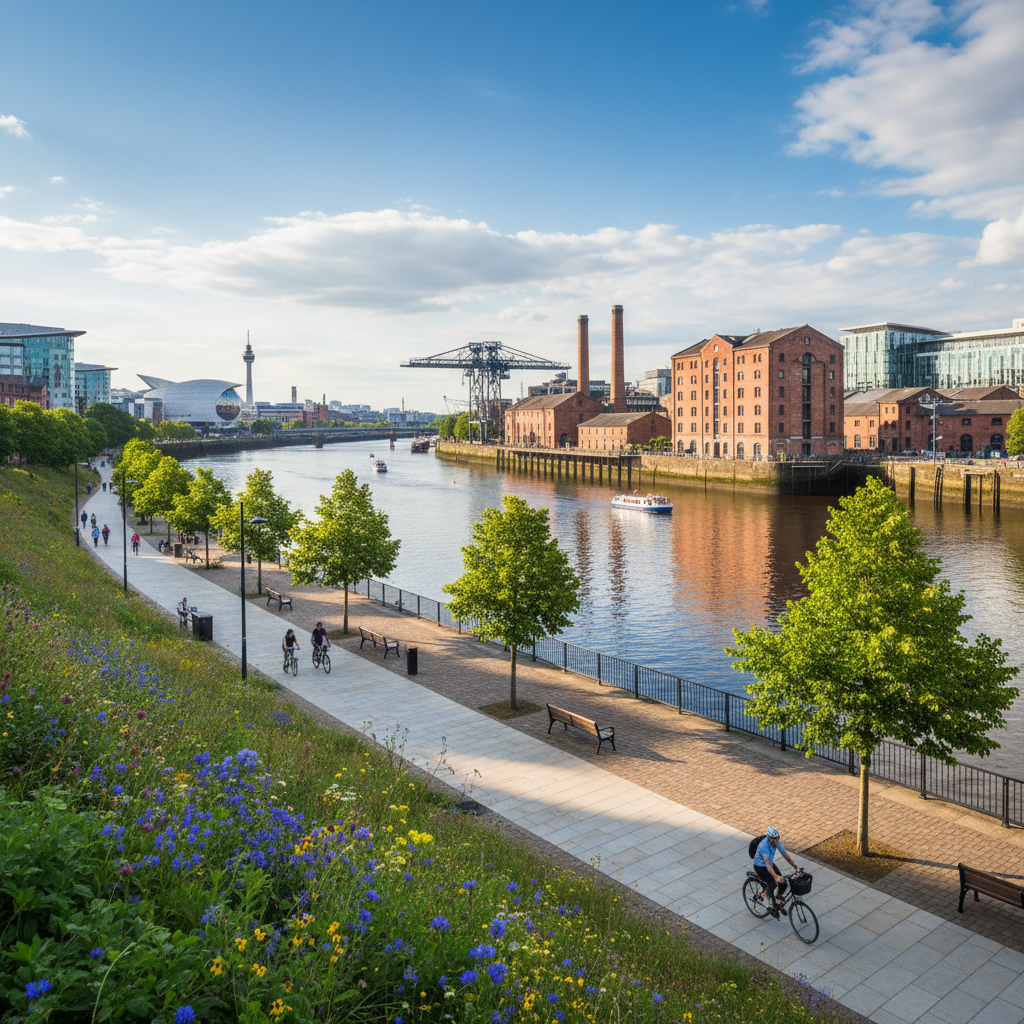
Glasgow's Riverside Park at the Govan Graving Docks has opened to the public for the first time in decades, providing residents with direct access to a stretch of the historic Clyde waterfront that has been closed off since the docks ceased operations.
The park opening represents the first visible milestone in the £1.49 million Govan: Remark Past,able Future regeneration project, which secured funding from the National Lottery Heritage Fund to transform the former industrial site into a community asset.
First phase of waterfront transformation
The newly accessible park gives Govan residents their first opportunity in generations to walk along the riverside where shipbuilding once dominated the local economy. The site encompasses part of the former graving docks, the dry dock facilities that were central to the Clyde's maritime heritage during Glasgow's industrial peak.
While the park has opened, officials describe it as still a work in progress, with additional development phases planned as part of the broader regeneration scheme. The current opening provides basic public access and riverside walking routes, though further amenities and facilities remain in development. The initial phase includes new pathways connecting the residential areas of Govan directly to the waterfront, creating pedestrian links that have been absent for decades.
The graving docks themselves date back to the height of Clydeside shipbuilding, when the area employed thousands of workers and produced vessels that sailed across the globe. The transformation from industrial workspace to public amenity reflects Glasgow's ongoing transition from its manufacturing past to a service-based economy focused on community regeneration.
Community response to riverside access
Local residents have welcomed the restoration of public access to the waterfront, with many expressing surprise at being able to walk freely along sections of the Clyde that had been off-limits throughout their lifetimes. The opening has drawn visitors from across Govan and neighbouring areas, eager to explore the previously inaccessible riverside.
Community groups involved in the regeneration project have highlighted the significance of reconnecting residents with the river that defined their area's identity for over a century. The park provides views across the Clyde toward the city centre and downstream toward the Riverside Museum, creating visual connections between Govan and the wider Glasgow waterfront.
For decades, the former docklands remained largely inaccessible to the public, with the industrial infrastructure creating barriers between Govan's residential areas and the River Clyde. The park's opening removes these barriers for the first time since the area's shipbuilding heyday, when the docks were active industrial sites requiring restricted access for safety and security reasons.
Heritage preservation within modern development
The Riverside Park opening forms part of the wider Govan: Remark Past,able Future initiative, which aims to revitalise the historic waterfront while preserving its industrial heritage. The £1.49 million National Lottery Heritage Fund grant supports multiple phases of development across the former docklands, with specific emphasis on maintaining the historical character of the graving dock structures.
Project organisers have worked to balance modern recreational needs with heritage conservation, ensuring that the industrial archaeology of the site remains visible and accessible to visitors. The graving docks represent some of the most significant surviving infrastructure from Glasgow's shipbuilding era, when the Clyde was synonymous with maritime engineering excellence.
The regeneration approach contrasts with previous waterfront developments that prioritised complete redevelopment over heritage retention. According to BBC reporting, the project specifically aims to celebrate the area's industrial past while creating new opportunities for community engagement with the riverside environment.
Future phases and timeline expectations
The park's opening establishes the foundation for subsequent phases of the regeneration project, which will continue to develop the historic Govan waterfront over the coming years. Officials have indicated that additional sections of the docklands will become accessible as restoration work progresses, though specific timelines for these developments have not been finalised.
The Heritage Fund grant supports ongoing archaeological investigation and conservation work across the site, with findings expected to inform the design of future park sections. Additional community facilities, interpretation centres, and enhanced recreational amenities form part of the longer-term vision for the waterfront development.
The transformation of the Govan Graving Docks from closed industrial land to public parkland signals Glasgow's broader efforts to reconnect communities with the River Clyde. As the regeneration project progresses, additional sections of the historic waterfront are expected to become accessible to residents and visitors, creating a continuous riverside route through one of Glasgow's most historically significant areas.
The Riverside Park opening provides Govan with its first new riverside public space in decades, establishing a precedent for future waterfront development along this stretch of the Clyde and demonstrating how industrial heritage can be preserved within contemporary urban regeneration.