Scotland braces for heatwave after recording hottest day of 2026
Temperatures reached 29°C in Dyce near Aberdeen on Tuesday, with forecasters warning of a potential heatwave later this week as the mercury could hit 30°C.
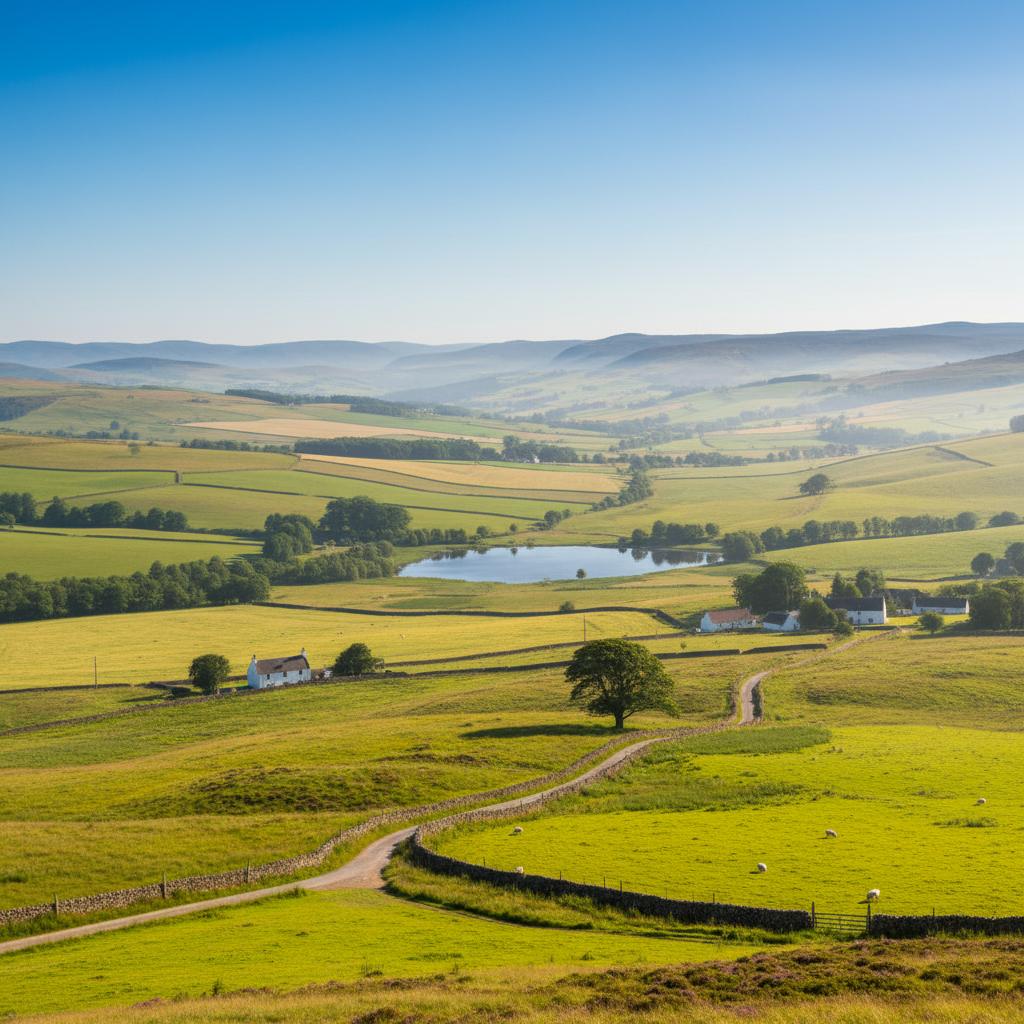
Scotland recorded its hottest day of 2026 on Tuesday, with temperatures reaching 29°C in Dyce near Aberdeen, as the Met Office warned that a heatwave is likely to develop later in the week across parts of the country.
The Tuesday reading surpassed the previous 2026 high of 28.1°C recorded at Floors Castle in the Borders on 25 May, marking a significant escalation in what has already been a notably warm summer for Scotland.
Heatwave warning issued for later this week
The Met Office has forecast that temperatures could peak at around 30°C in southern Scotland on Thursday, potentially triggering the first official heatwave of the year. Under Met Office criteria, a Scottish heatwave is declared when temperatures reach at least 25°C for three consecutive days in the same area.
Forecasters are monitoring conditions closely as the high-pressure system responsible for the current warm spell is expected to intensify, bringing sustained heat across much of central and southern Scotland through the remainder of the week. The weather pattern shows similarities to the anticyclonic conditions that produced Scotland's record-breaking temperatures in previous summers.
Met Office meteorologist Sarah Jenkins explained that the current system differs from typical Scottish summer weather patterns, with continental air masses bringing dry, stable conditions that allow temperatures to build steadily rather than the usual maritime influence that moderates extremes.
Rail network prepares for extreme temperatures
Network Rail has begun preparations for the anticipated hot spell, with officials expecting temperatures to exceed 32°C on parts of the rail network. The organisation has warned passengers of potential disruptions including track-related issues, which commonly occur when steel rails expand in extreme heat.
The rail operator is implementing speed restrictions on vulnerable sections of track, particularly those running north-south through the central belt where temperatures are expected to peak. Engineering teams have been deployed to monitor critical junctions and points systems that are most susceptible to heat-related failures.
ScotRail has announced additional water supplies will be available at major stations, while conductors are being briefed on heat-related health protocols for passengers. The operator is also coordinating with emergency services to ensure rapid response capabilities during the peak temperature period.
The rail operator is also monitoring weather patterns for associated risks including thunderstorms, heavy rainfall and strong winds that often accompany periods of intense heat in Scotland. These conditions can compound transport difficulties, particularly affecting services between major cities and rural areas.
Public health and transport authorities are urging residents to take precautions as the weather system develops, with particular attention being paid to vulnerable populations including elderly residents and those with pre-existing health conditions.
Climate patterns and Scotland's changing summers
The emergence of potential heatwave conditions in early July reflects broader patterns that meteorologists have observed across Scotland in recent years. The country has experienced increasingly frequent periods of sustained high temperatures, challenging traditional expectations of Scottish summer weather.
Tuesday's 29°C reading in Dyce represents a significant temperature for the northeast region, an area typically cooler than Scotland's central belt. The fact that Aberdeen's vicinity recorded the year's highest temperature suggests the current weather system is affecting areas beyond the usual hotspots in the south and west.
Climate data shows that Scotland has experienced five of its ten warmest summers on record within the past decade, with average temperatures rising by approximately 0.8°C compared to the 1981-2010 baseline. The frequency of days exceeding 25°C has doubled in many Scottish locations since the 1990s.
The May record of 28.1°C at Floors Castle had previously stood as the year's peak, but the rapid succession of high-temperature days indicates according to the BBC report that Scotland may be entering a period of more sustained heat than initially forecast for the summer season.
Infrastructure and community response
Local authorities across Scotland are implementing heat response protocols, with particular focus on urban areas where temperatures can be amplified by the heat island effect. Glasgow, Edinburgh and Aberdeen councils have opened cooling centres and are coordinating with health services to monitor vulnerable residents.
NHS Scotland has activated its extreme weather protocols, with accident and emergency departments preparing for increased admissions related to heat exhaustion and dehydration. Community health teams are conducting welfare checks on at-risk individuals, particularly those living alone or without adequate cooling systems.
The Scottish Government's resilience planning, developed following previous extreme weather events, is being activated to ensure coordinated responses across transport, health and emergency services. Water companies are also monitoring demand patterns as consumption typically increases significantly during sustained hot periods, with Scottish Water reporting a 15% increase in demand since Monday.
Agricultural sectors are closely watching conditions, with farmers in the Borders and central Scotland adjusting livestock management and irrigation schedules to cope with the anticipated heat. The National Farmers Union Scotland has issued guidance on protecting cattle and sheep, emphasising the importance of shade provision and water access during peak temperature hours.
The timing coincides with critical growing periods for many crops, making water management particularly crucial. Barley and wheat harvests, typically beginning in late July, may be accelerated if the hot conditions persist, potentially affecting both yield and quality.
As Thursday approaches and the potential 30°C threshold looms, Scotland finds itself preparing for weather conditions that, while not unprecedented, represent a significant test of the country's infrastructure and community resilience systems designed for a traditionally temperate climate.