Labour's King's Speech sets stage for constitutional overhaul affecting Scotland
Prime Minister Keir Starmer's government outlined sweeping changes including House of Lords reform and strengthened devolution in the first King's Speech of the new parliament.
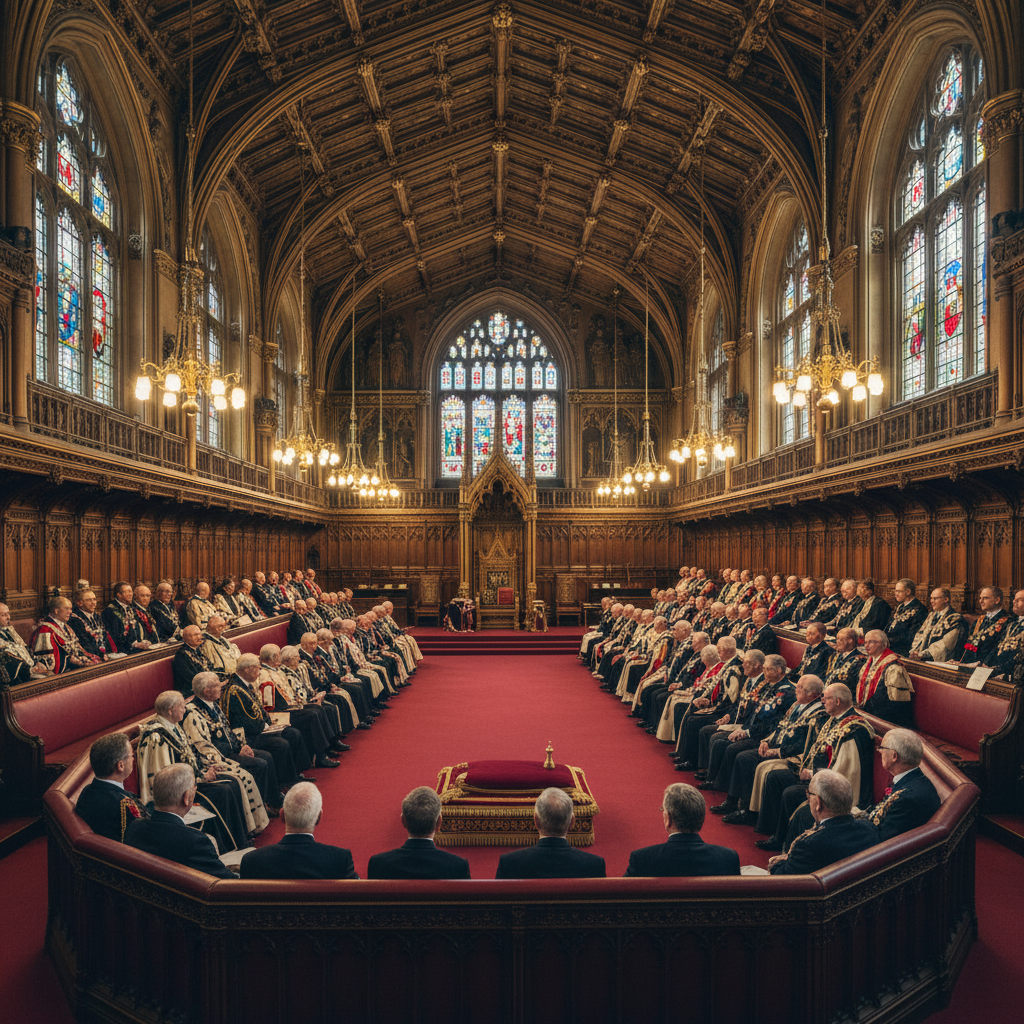
Prime Minister Keir Starmer's Labour government set out an ambitious reform agenda on 10 July 2026 in the first King's Speech of the new parliament, with King Charles III delivering a programme that promises constitutional upheaval and significant implications for Scotland's place within the Union.
The legislative priorities outlined at Westminster include plans to replace the House of Lords with a smaller second chamber, strengthen devolution arrangements for Scotland, Wales and the English regions, and create a publicly owned Great British Energy company. The government also committed to overhauling workers' rights and employment law, alongside planning reforms designed to accelerate housebuilding and infrastructure development across the UK.
Constitutional Changes Target Lords and Devolution
The proposed abolition of the House of Lords represents one of the most significant constitutional changes in generations, with Labour planning to establish a new, smaller second chamber. The government has also pledged long-promised reforms to party funding and standards in public life, measures that could reshape how politics operates across all levels of government.
For Scotland, the commitment to strengthen devolution arrangements signals potential expansion of Holyrood's powers, though specific details remain unclear. The measures form part of Labour's broader constitutional agenda that extends to Wales and English regions, suggesting a comprehensive approach to redistributing power away from Westminster. The devolution proposals could include enhanced tax-raising powers, greater control over immigration policy within Scotland's borders, and expanded authority over natural resources management.
Constitutional experts have noted that such reforms would require careful negotiation with existing devolved administrations and could face legal challenges over the boundaries of reserved and devolved powers. The timing of these changes will prove critical, particularly given ongoing discussions about Scotland's constitutional future.
Energy Policy Promises Scottish Investment
The creation of Great British Energy as a publicly owned company carries particular significance for Scotland's energy sector, given the country's renewable energy resources and existing oil and gas infrastructure. The initiative represents a shift towards state involvement in energy production, potentially affecting Scotland's energy economy and the transition away from fossil fuels.
Industry analysts suggest the new energy company could prioritise Scottish offshore wind projects and green hydrogen production facilities, areas where Scotland holds competitive advantages. The policy shift may also influence existing energy companies operating in Scottish waters and onshore facilities, particularly those involved in North Sea oil and gas extraction.
Workers' rights reforms outlined in the King's Speech could also impact Scotland's labour market, with employment law changes affecting industries from manufacturing to services across the country. The government's taxation changes aimed at boosting investment may influence business decisions in Scotland's key sectors, including whisky production, tourism, and financial services.
Political Response and Implementation Challenges
Debate on the King's Speech began immediately in the Commons following the ceremony, setting up months of political contention over the scale and pace of Labour's reform programme. Opposition parties have already signalled resistance to several key proposals, with Conservative MPs questioning the economic implications of state energy ownership and Liberal Democrats expressing concerns about the timeline for constitutional changes.
The Scottish National Party's response has been measured, with party leaders acknowledging potential benefits of enhanced devolution while maintaining that independence remains their preferred constitutional option. SNP Westminster leader Stephen Flynn described the proposals as 'a step in the right direction' but emphasised that they fall short of Scotland's aspirations for full self-governance.
The ambitious nature of the legislative agenda raises questions about parliamentary time and the government's ability to deliver on multiple complex reforms simultaneously. Constitutional changes in particular face potential resistance in the Lords themselves, creating a paradoxical situation where the chamber may be asked to vote for its own abolition. Immigration and asylum system reforms also feature in the programme, alongside planning rule changes that could accelerate infrastructure projects across Scotland and the rest of the UK.
Implications for Scotland's Political Landscape
The strengthened devolution commitments may influence the ongoing constitutional debate in Scotland, potentially affecting support for independence by demonstrating Westminster's willingness to transfer additional powers to Holyrood. However, the specifics of these arrangements will prove crucial in determining their political impact.
Political observers note that previous devolution promises have sometimes fallen short of expectations, creating scepticism among Scottish voters about Westminster's commitment to meaningful power transfer. The success of Labour's current proposals could either strengthen the Union by addressing Scottish concerns about democratic representation or highlight the limitations of devolution within the current constitutional framework.
The economic implications of the reform package extend beyond energy policy, with potential impacts on Scotland's financial services sector, manufacturing base, and public sector employment. Changes to workers' rights legislation could affect Scotland's competitiveness in attracting international investment, while planning reforms may accelerate major infrastructure projects including transport links and renewable energy installations.
Labour's comprehensive reform agenda, as outlined in the BBC's coverage of the King's Speech, represents the most significant constitutional and economic programme in decades. The success or failure of these initiatives could reshape not only Scotland's relationship with Westminster but also the broader structure of the United Kingdom itself.
The coming months will test the government's parliamentary management skills as it attempts to navigate complex legislation through both chambers while maintaining party unity on controversial reforms. For Scotland, the outcomes could determine the country's constitutional and economic trajectory for years to come, with implications for everything from energy policy to democratic representation within the Union.