Heavy rain and landslides cut transport links across northern Scotland
Network Rail Scotland closes Inverness-Perth line as flooding and landslides disrupt travel under Met Office yellow warning.
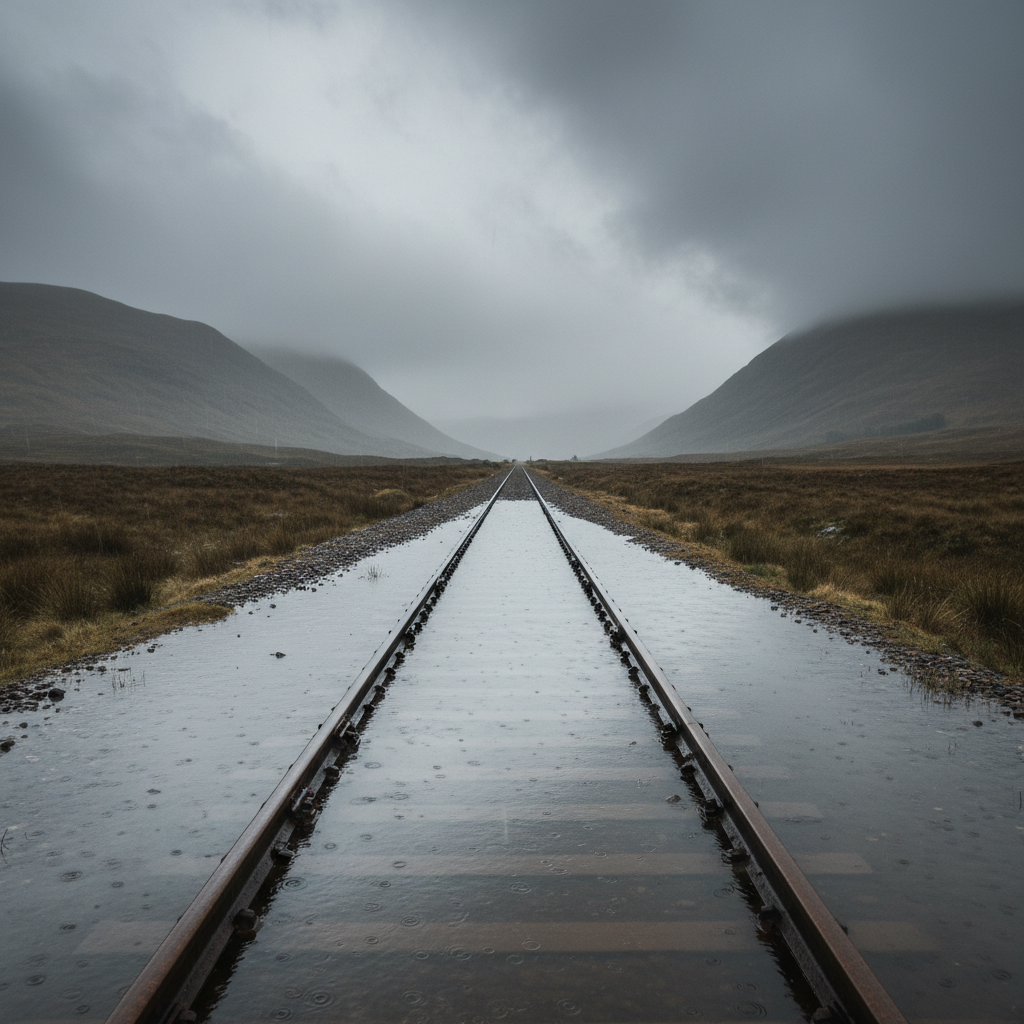
Persistent heavy rain has triggered widespread flooding and landslides across northern and western Scotland, forcing the closure of major transport routes and prompting 39 flood alerts and warnings from environmental authorities. Network Rail Scotland shut the main line between Inverness and Perth on Tuesday after flooding at Kingussie, whilst landslides blocked roads on Skye as the Met Office maintained a yellow warning for rain across much of western Scotland.
The Scottish Environment Protection Agency (Sepa) issued 10 flood alerts and 29 flood warnings as forecasters warned some areas of Argyll, Lochaber and Wester Ross could receive up to 170mm of rain. The disruption extended beyond the Inverness-Perth closure, with further cancellations reported on the Far North and West Highland lines, leaving communities across the Highlands increasingly isolated.
Transport network under strain
The closure of the Inverness-Perth line represents a significant blow to Highland connectivity, severing the primary rail link between Scotland's northernmost city and the central belt. Network Rail Scotland confirmed the flooding at Kingussie had made the route impassable, with no immediate timeline for reopening given the continuing adverse weather conditions.
Road transport faced similar challenges, with the B8083 near Torrin on Skye shut after a landslide blocked the route. Emergency services reported dealing with multiple incidents across the region as conditions deteriorated throughout Tuesday, highlighting the vulnerability of Highland infrastructure to extreme weather events. Traffic Scotland issued warnings for drivers to avoid non-essential travel in affected areas, with standing water reported on numerous A-roads throughout the Highlands.
The disruption has forced passengers to seek alternative routes, with bus replacement services struggling to operate effectively due to flooded roads. ScotRail confirmed that services between Glasgow and Mallaig via the West Highland line faced significant delays, whilst the Kyle line experienced complete suspension of services during the worst of the weather.
Communities face mounting isolation
The simultaneous closure of rail and road links has raised concerns about the resilience of transport networks serving Scotland's most remote communities. The Far North and West Highland railway lines, already operating limited services, suffered further cancellations, effectively cutting off areas that rely heavily on public transport for essential connectivity.
For communities in Argyll, Lochaber and Wester Ross, where forecasters predicted the heaviest rainfall totals of up to 170mm, the transport disruption compounds existing challenges around accessing services and maintaining economic activity. Local businesses in tourist hotspots such as Fort William and Kyle of Lochalsh reported cancelled bookings as visitors found themselves unable to reach their destinations.
The timing of the disruption during the summer tourism season adds additional pressure on local businesses dependent on visitor access. Hotels and restaurants across the affected regions face potential revenue losses, whilst tour operators have been forced to cancel Highland excursions. Highland Council confirmed that several schools in remote areas had closed as staff and pupils could not safely travel to their buildings.
Emergency response intensifies
Scottish Fire and Rescue Service deployed additional resources to the Highlands, with water rescue teams positioned in areas at highest risk of flooding. Police Scotland urged drivers to exercise extreme caution, reporting multiple incidents of vehicles becoming stranded in flood water across the region.
Mountain rescue teams remained on standby as concerns grew for hillwalkers and climbers potentially trapped by the deteriorating conditions. The Coastguard issued warnings to mariners about dangerous sea conditions around the west coast, where heavy rain combined with strong winds to create hazardous sailing conditions.
Highland Council activated its emergency response procedures, opening rest centres in Inverness and Fort William for stranded travellers. Council leader Raymond Bremner acknowledged the severity of the situation, stating that the authority was working closely with transport operators and emergency services to minimise disruption to residents and visitors.
Weather warning extends into Wednesday
The Met Office yellow warning for rain covers much of western Scotland, signalling a prolonged period of intense rainfall that meteorologists expect to continue affecting the region into Wednesday morning. The warning encompasses areas already experiencing significant flooding, with Sepa's 39 alerts and warnings reflecting the widespread nature of the risk across northern and western Scotland.
Environmental authorities have warned residents in affected areas to remain vigilant as river levels continue rising and surface water flooding becomes increasingly likely. The combination of saturated ground conditions and continued rainfall has created conditions conducive to both flooding and landslides, according to the BBC report on the unfolding situation.
Meteorologists warned that while the worst of the rain should clear by Wednesday afternoon, river levels may remain high for several days, prolonging the risk of flooding in low-lying areas. The Met Office indicated that further weather warnings could be issued if conditions deteriorate beyond current forecasts.
Long-term infrastructure concerns
The latest disruption highlights ongoing concerns about the resilience of Highland transport infrastructure to extreme weather events, which climate scientists predict will become more frequent and intense. The vulnerability of single-track railway lines and narrow Highland roads to flooding and landslides poses particular challenges for maintaining connectivity to remote communities.
Transport Scotland has previously acknowledged the need for improved resilience measures, with studies ongoing into flood defences for key transport corridors. The Inverness-Perth line has experienced repeated weather-related closures in recent years, prompting calls for enhanced drainage systems and slope stabilisation measures.
Network Rail Scotland and local authorities face the immediate challenge of restoring services whilst managing ongoing weather risks. The Inverness-Perth line's closure, combined with road blockages across the region, demonstrates how quickly Highland communities can become isolated when multiple transport modes fail simultaneously. Engineers will need to assess track conditions and embankment stability before services can resume, a process that could extend into the weekend depending on weather conditions and the extent of damage discovered during inspections.