Ofwat launches formal investigation into Thames Water's financial resilience
The water regulator is examining whether the debt-laden utility has breached rules on maintaining financial stability and protecting its 16 million customers.
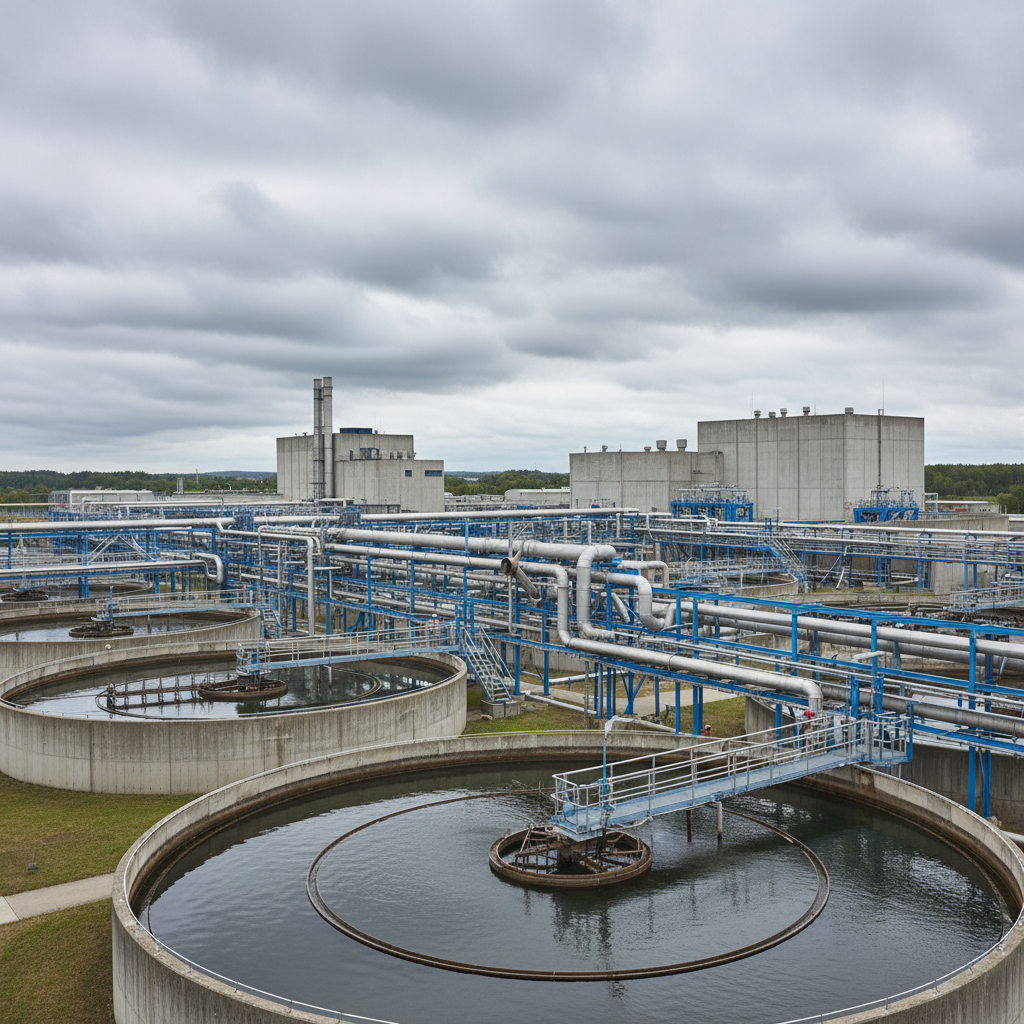
Ofwat announced a formal investigation into Thames Water Utilities Limited and its parent company on 9 July, examining whether the group has breached rules on maintaining financial resilience and protecting customers. The regulator said it is scrutinising the company's financing arrangements, governance and information provided to Ofwat amid ongoing concerns about Thames Water's £15bn debt burden and ability to continue providing services.
Thames Water supplies water and wastewater services to approximately 16 million customers across London and the Thames Valley. The utility has faced mounting criticism over sewage discharges and infrastructure problems whilst carrying substantial debt obligations that have raised questions about its long-term viability.
Investigation scope and customer impact
Ofwat emphasised that the inquiry does not affect day-to-day water services for customers. However, the investigation could lead to enforcement action if rule breaches are discovered. The regulator is examining three key areas: the company's financing arrangements, its governance structures, and the accuracy of information Thames Water has provided to the watchdog.
The investigation comes as Thames Water continues talks with shareholders and creditors over future funding arrangements. The company faces significant financial pressures from its debt servicing costs whilst simultaneously needing to invest billions in infrastructure improvements and environmental compliance measures. Industry analysts estimate Thames Water requires approximately £3bn in new investment over the next five years to meet regulatory requirements and maintain service standards.
Ofwat's probe will also examine whether Thames Water has maintained adequate financial resources to carry out its functions as a water undertaker, including emergency planning and resilience measures. The regulator has powers to impose conditions on companies that fail to demonstrate sufficient financial strength to protect customer interests.
Company response and financial position
Thames Water said it would cooperate fully with the probe and reiterated that it remains solvent despite the ongoing financial challenges. The company has been seeking additional funding from investors and exploring various restructuring options to address its debt position whilst maintaining service standards.
The utility's financial difficulties have been compounded by regulatory penalties for environmental breaches and the substantial investment required to upgrade ageing infrastructure. Thames Water has argued that the current regulatory framework makes it difficult to attract the investment needed for long-term sustainability.
Chief executive Chris Weston previously stated that the company was working with stakeholders to secure its financial future, though negotiations with creditors have proved complex. The utility's debt pile includes both shareholder loans and external borrowing, with different creditor groups holding varying views on restructuring proposals.
Thames Water's financial troubles stem partly from aggressive borrowing strategies implemented by previous owners, including Macquarie Group, which loaded the company with debt whilst extracting substantial dividends. The current ownership structure includes pension funds and sovereign wealth funds, though some shareholders have been reluctant to inject additional capital without regulatory certainty.
Regulatory precedent and wider implications
This formal investigation represents one of Ofwat's most significant interventions in a major utility's financial affairs. The case could establish important precedents for how water companies across England and Wales manage their financial resilience and transparency obligations to regulators.
The probe follows Ofwat's introduction of stricter financial resilience requirements in 2019, which mandate water companies to maintain adequate resources and governance arrangements. These rules were designed to prevent customer detriment from corporate financial distress, though Thames Water's situation tests their effectiveness.
For Scotland, where water services are provided by the publicly-owned Scottish Water, the Thames Water situation highlights different approaches to utility ownership and regulation. Scottish Water operates under a different regulatory framework through the Water Industry Commission for Scotland, though it faces similar pressures around infrastructure investment and environmental compliance.
The investigation also raises broader questions about the privatised water model in England and Wales, particularly regarding the balance between shareholder returns, customer protection and essential service delivery. Some policy experts argue that Thames Water's predicament demonstrates systemic flaws in the regulatory approach to utility financing.
Political and sector response
The Labour government has indicated it will review water sector regulation, with Environment Secretary Steve Reed previously criticising water company performance on environmental issues. Political pressure has mounted on Ofwat to take stronger action against underperforming utilities, particularly regarding sewage discharges and customer service standards.
Other major water companies, including Southern Water and Yorkshire Water, have also faced financial pressures, though none match Thames Water's scale of difficulties. The sector collectively faces an estimated £56bn investment requirement over the next regulatory period to meet environmental and service obligations.
Consumer groups have welcomed Ofwat's investigation, arguing that customers should not bear the cost of corporate financial mismanagement. Citizens Advice has called for stronger protections to prevent essential services being compromised by shareholder-focused financial strategies.
Next steps and industry outlook
Ofwat has not specified a timeline for completing its investigation, though formal inquiries typically take several months to conclude. The regulator will examine documentary evidence, conduct interviews with company officials, and assess whether Thames Water's actions comply with its licence conditions and statutory duties.
The outcome could influence how other water companies structure their finances and report to regulators. If breaches are found, potential enforcement actions range from financial penalties to more severe measures affecting the company's operating licence, including possible special administration procedures.
Meanwhile, Thames Water continues its efforts to secure long-term funding whilst maintaining services to customers. The company faces a crucial period ahead, with debt refinancing requirements and regulatory deadlines creating additional pressure on management and shareholders.
According to the BBC report, industry observers are watching closely to see whether Ofwat's approach signals a tougher regulatory stance across the sector. The investigation's findings could reshape expectations around utility financial management and regulatory oversight for years to come.