Scottish Power to pay £20 million redress for overcharging 1.2 million households
Energy regulator Ofgem finds billing system errors led to customers being charged above price cap limits between 2017 and 2023.
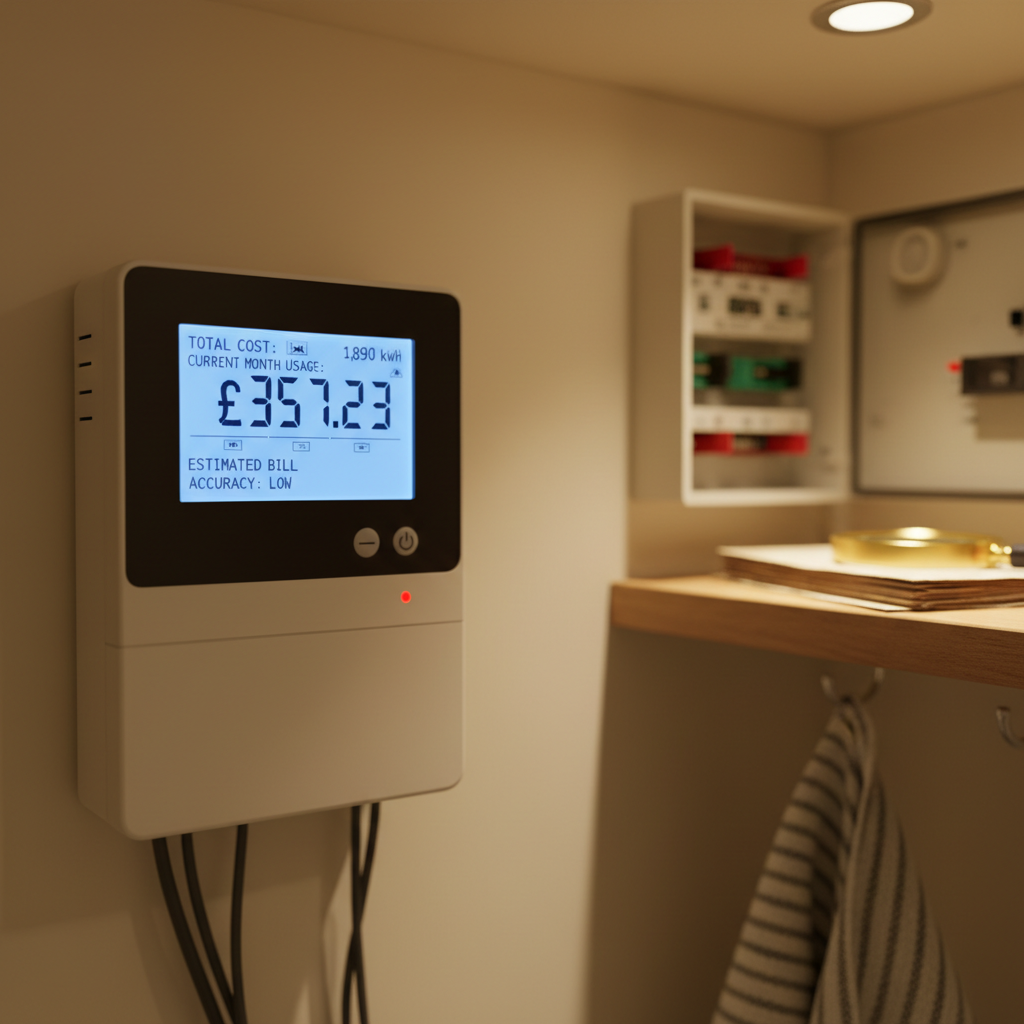
Scottish Power will pay £20 million in redress after overcharging approximately 1.2 million British households on their energy bills over a six-year period, energy regulator Ofgem announced on 9 July 2026. The Glasgow-based supplier charged customers above permitted price cap limits between 2017 and 2023 due to billing system errors and incorrect application of tariff rates.
Ofgem's investigation found that customers on certain standard variable tariffs were systematically overcharged, with some households paying hundreds of pounds more than they should have. Scottish Power has accepted the regulator's findings and apologised to affected customers, committing to improve its billing and compliance systems.
Widespread billing failures exposed
The regulator's probe uncovered significant flaws in Scottish Power's billing infrastructure that persisted for years without detection. Customers on specific standard variable tariffs bore the brunt of these system failures, which incorrectly applied tariff rates and charged above the government's price cap protections.
The £20 million package comprises direct refunds and compensation to the 1.2 million affected households, alongside a voluntary payment to Ofgem's consumer redress fund. Some customers discovered they had been overcharged by hundreds of pounds over the multi-year period, highlighting the scale of the billing errors.
Scottish Power's acceptance of responsibility marks a significant regulatory enforcement action in Britain's energy market, where consumer protections have faced scrutiny amid volatile pricing and supplier failures in recent years.
Consumer groups demand stronger oversight
The revelation has prompted calls for enhanced regulatory oversight of energy suppliers' billing systems. Consumer advocacy groups have long argued that the current framework allows systemic overcharging to continue undetected for extended periods, leaving households vulnerable to corporate failures.
Scottish Power's commitment to system improvements includes enhanced monitoring of tariff applications and regular auditing of billing accuracy. The company has pledged to implement these changes across its customer base to prevent similar incidents.
The energy supplier serves millions of customers across Britain, making it one of the 'Big Six' traditional energy companies that dominate the domestic market alongside British Gas, EDF Energy, E.ON, Npower, and SSE.
Price cap protections under scrutiny
The case raises questions about the effectiveness of Britain's price cap mechanism, introduced to protect consumers from excessive charges. The cap sets maximum rates that suppliers can charge customers on standard variable tariffs, yet Scottish Power's billing errors allowed systematic breaches over six years.
Ofgem's investigation timeline suggests the overcharging began in 2017 and continued until 2023, spanning multiple price cap periods and regulatory reviews. The duration of the billing failures indicates potential gaps in the regulator's monitoring capabilities and suppliers' internal compliance systems.
Industry observers note that this enforcement action follows a pattern of regulatory interventions in Britain's energy market, where suppliers have faced penalties for various compliance failures in recent years.
The redress package represents one of the larger consumer compensation schemes in the energy sector, reflecting both the scale of affected customers and the duration of the overcharging. According to the BBC report, the settlement demonstrates Ofgem's commitment to holding suppliers accountable for billing accuracy.
Refunds and system overhauls ahead
Scottish Power must now implement a comprehensive refund programme for the 1.2 million affected households, with payments expected to begin in the coming months. The company faces the challenge of identifying all overcharged customers and calculating individual compensation amounts across the six-year period.
Beyond direct refunds, the supplier has committed to overhauling its billing infrastructure to prevent future errors. These system improvements will undergo regulatory scrutiny as Ofgem monitors compliance with the settlement terms.
The case sets a precedent for how energy suppliers must maintain billing accuracy under price cap regulations, with potential implications for industry-wide compliance standards. Other major suppliers will likely review their own systems following this high-profile enforcement action.