Autumn Election Set to Reshape Scottish Political Battleground
Rishi Sunak's announcement of a 22 October general election sets up a fierce contest for Scotland's marginal seats as parties prepare for an intense campaign.
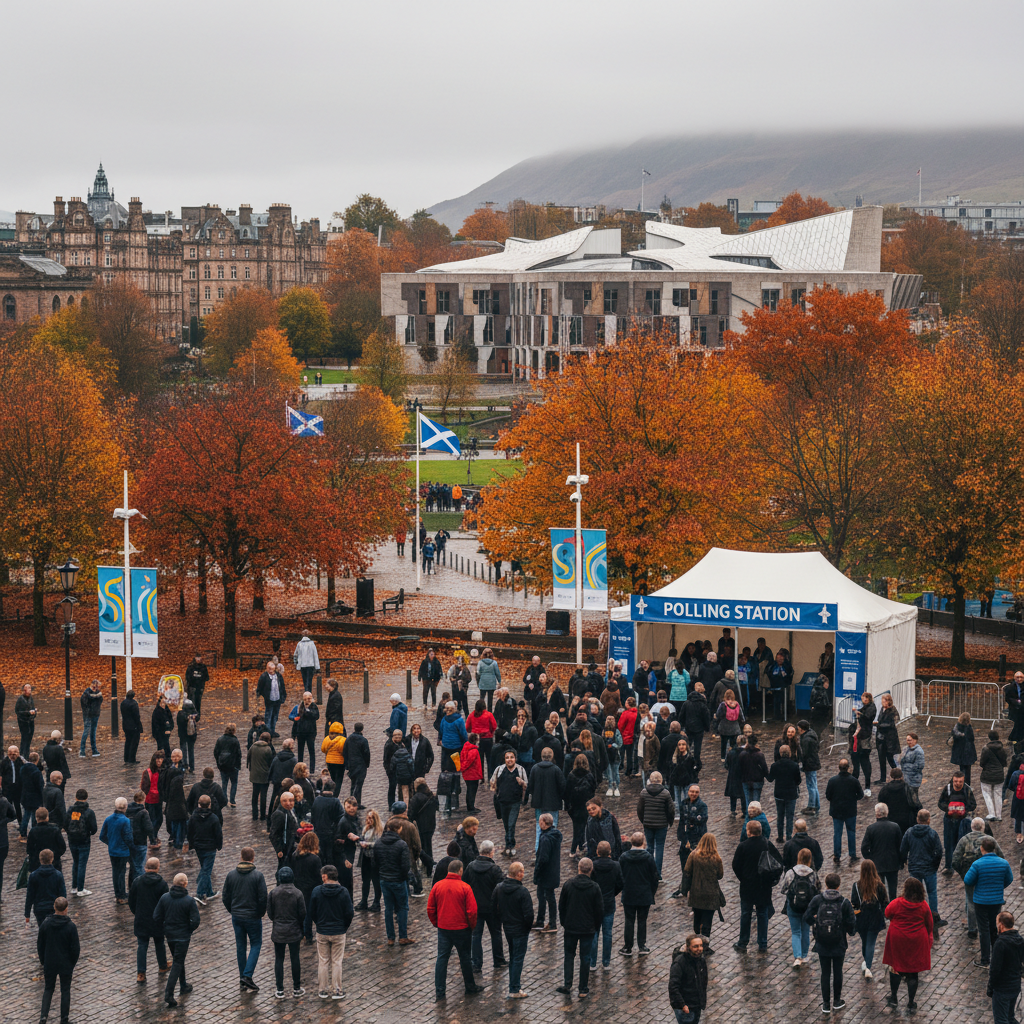
Prime Minister Rishi Sunak has confirmed the next UK general election will take place on 22 October 2026, ending months of speculation and setting the stage for what promises to be a pivotal contest across Scotland's political landscape. Speaking outside Downing Street following a Cabinet meeting, Sunak said the country needed a 'clear choice' on the economy, public services and immigration.
The October date means campaigning will intensify through late summer and early autumn, with Parliament expected to dissolve in early September under statutory requirements. For Scotland, this timing presents unique challenges and opportunities as parties gear up to contest key marginal constituencies that could determine the overall result.
Scottish Parties Ready Battle Lines
The SNP immediately welcomed the certainty whilst launching an early salvo against Conservative governance, signalling they will frame the election as Scotland's chance to reject Westminster control. First Minister John Swinney described the announcement as 'long overdue' and promised the SNP would campaign on a platform of Scottish self-determination and economic competence.
Labour, buoyed by recent polling gains north of the border, sees the autumn campaign as their opportunity to reclaim traditional Scottish strongholds lost during the independence surge of the 2010s. Scottish Labour leader Anas Sarwar has already begun touring marginal constituencies, emphasising bread-and-butter issues like NHS waiting times and housing costs that resonate with working families.
Scottish Conservative seats, already under pressure in recent by-elections, face intense scrutiny as the party attempts to hold constituencies won in 2019 and 2024. Party sources acknowledge the challenge ahead, with several sitting MPs reportedly considering whether to stand again given national polling trends. The October timing allows parties to mobilise through the traditional political season, avoiding the summer recess period that might have dampened grassroots campaigning.
Marginal Seats Take Centre Stage
Key Scottish battlegrounds including seats across the central belt, the northeast, and the Borders are expected to see unprecedented campaign spending and candidate visits. The SNP will defend constituencies where their majorities have narrowed to under 5,000 votes, whilst Labour targets former industrial heartlands in Lanarkshire and Fife they believe are ready to return to the fold.
Liberal Democrat strategists view several Highland and island constituencies as winnable, particularly where tactical voting against Conservative incumbents might consolidate around their candidates. The party's Scottish leader Alex Cole-Hamilton has identified six target seats where boundary changes and demographic shifts could favour Liberal Democrat challengers. The timing allows for extensive ground campaigns in these geographically challenging seats where personal contact often proves decisive.
Internal party polling suggests at least 15 Scottish seats could change hands, with majorities of fewer than 3,000 votes making them highly vulnerable to swings in national sentiment. Campaign managers are already booking venues and recruiting volunteers for what they expect will be the most expensive Scottish election campaign in decades.
Constitutional Questions Frame Contest
This election will be the first UK-wide contest since the pandemic-era vote of 2024, taking place amid ongoing cost-of-living pressures and renewed constitutional debates. Independence supporters see the poll as a potential mandate for another referendum, whilst unionists argue for stability and continued economic recovery within the UK framework.
Recent polling shows support for independence hovering around 47%, creating uncertainty about how constitutional questions will play alongside immediate economic concerns. The SNP's strategy of linking independence to economic prosperity faces scrutiny given recent challenges in public finances and questions over currency arrangements in an independent Scotland.
Devolution settlements, particularly around taxation and spending powers, are expected to feature prominently in Scottish campaigns. The SNP's record in government at Holyrood will face scrutiny alongside Westminster policies on issues from energy transition to rural support. According to the BBC report, debates over the future of the Union remain central to political discourse across Scotland, with each party offering different visions of Scotland's constitutional future.
Campaign Strategy Takes Shape
The autumn timeline gives parties four months to refine messaging and candidate selection, with nominations expected to close in late August. Scottish Labour will test whether their recent organisational rebuilding can translate into seat gains, having recruited over 200 new activists and established campaign headquarters in target constituencies across the central belt.
The Conservatives face the challenge of defending their 2024 gains amid national polling difficulties, with party strategists reportedly considering whether to emphasise local candidates over national leadership given Sunak's approval ratings in Scotland. Several Conservative MPs are expected to announce increased constituency spending and local policy initiatives in the coming weeks.
For smaller parties including the Greens and Alba, the extended campaign period offers chances to build recognition in target constituencies. The Scottish Greens aim to retain their two seats whilst challenging for a third in Edinburgh, whilst Alba continues to position itself as the authentic voice of independence, potentially splitting the nationalist vote in key marginals.
The October date also allows for comprehensive voter registration drives, particularly important in university constituencies where student populations will have returned for the new academic year. Electoral administrators expect registration numbers to peak in September as parties conduct targeted outreach to younger voters who could prove decisive in close contests.
With Parliament dissolving in early September, the final weeks of summer will see intense political manoeuvring as parties position themselves for what many observers predict will be one of the most consequential elections in recent Scottish political history. Campaign spending limits will take effect from dissolution, meaning the next two months represent the final opportunity for unrestricted political advertising and event organisation.