Swinney unveils draft independence referendum bill targeting 2026 vote
First Minister publishes framework legislation ahead of formal parliamentary introduction, reiterating call for Westminster consent despite immediate rejection from UK ministers.
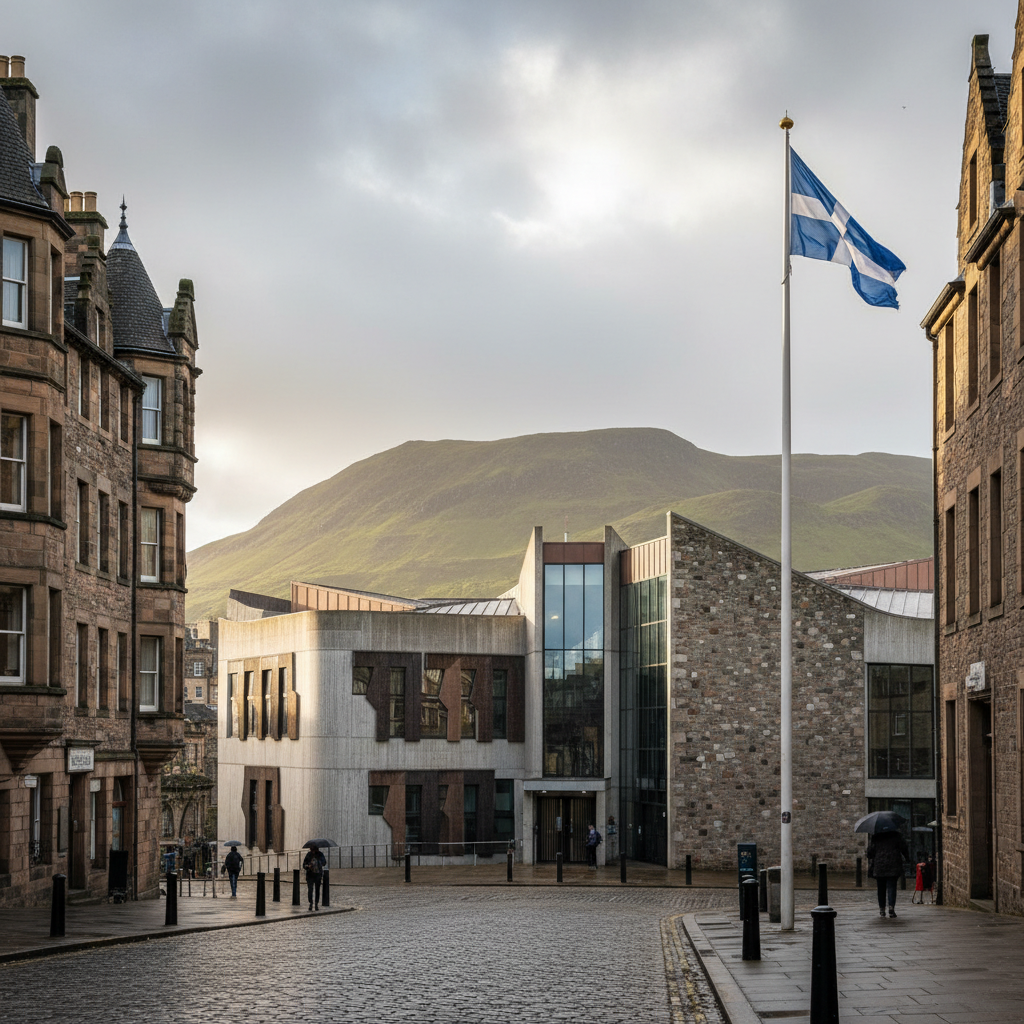
Scottish First Minister John Swinney published draft legislation on 18 July setting out the framework for a proposed second independence referendum, including franchise rules and campaign regulations. The draft bill, released ahead of formal introduction to the Scottish Parliament, reiterates the Scottish Government's view that Westminster should agree to a Section 30 order to put the vote on a legally recognised footing.
Swinney said his administration is aiming for a referendum by the end of 2026, subject to securing UK Government consent, and framed the move as part of a "clear and democratic route" to independence. The announcement marks the latest attempt by the SNP-led government to advance its constitutional agenda following years of Westminster resistance to authorising another vote.
Westminster and Holyrood opposition swift to reject proposal
UK ministers and opposition parties at Holyrood immediately rejected the proposal as constitutionally improper, insisting that the union is a reserved matter for the Westminster Parliament. The response echoes the consistent position taken by successive Conservative and Labour governments since the 2014 independence referendum, when 55% of Scots voted to remain in the UK.
Opposition MSPs criticised the timing and substance of Swinney's announcement, arguing that the Scottish Government should focus on domestic priorities rather than constitutional questions. The rejection from Westminster was expected, given previous statements from UK ministers ruling out any transfer of powers to hold another referendum in the current parliamentary term.
Constitutional tensions resurface over legal authority
The announcement has reopened long-standing constitutional tensions, with legal experts again highlighting that any unilateral move to hold a binding vote would likely face court challenge. The question of whether the Scottish Parliament has the authority to legislate for an independence referendum without Westminster consent remains legally untested, though most constitutional lawyers suggest such powers are reserved to the UK Parliament.
This legal uncertainty has shaped the Scottish Government's approach since 2014, with successive First Ministers seeking a Section 30 order—the mechanism used for the first independence referendum—to ensure any future vote would be legally watertight. The 2014 Edinburgh Agreement between the UK and Scottish governments provided the constitutional framework that allowed that referendum to proceed with cross-party acceptance of its legitimacy.
Draft bill details franchise and campaign framework
The published draft legislation outlines franchise rules and campaign regulations for any future referendum, though specific details of voting eligibility and spending limits were not immediately disclosed. The framework represents months of policy development within the Scottish Government, building on lessons learned from the 2014 campaign and subsequent electoral processes.
Swinney's team has indicated the formal bill will be introduced to the Scottish Parliament in the coming months, though the timeline depends partly on the parliamentary schedule and committee scrutiny processes. The draft publication allows for public consultation and potential amendments before the legislation reaches Holyrood for formal debate and voting.
2026 target sets ambitious timeline amid political uncertainty
The end-of-2026 target for holding a referendum sets an ambitious timeline that would require significant political developments to materialise. Most immediately, it would need the UK Government to reverse its current position and agree to transfer the necessary powers to Edinburgh—a scenario that appears unlikely given current Westminster dynamics.
The timing also coincides with the approach of the next UK general election, due by 2029, which could potentially alter the political landscape if Labour returns to power with a different approach to Scottish constitutional questions. However, Labour has maintained its opposition to another independence referendum, suggesting limited scope for breakthrough regardless of which party controls Westminster.
According to the BBC Scotland report, the announcement represents Swinney's most concrete step yet in advancing the independence cause since becoming First Minister, though it faces the same fundamental obstacle that has blocked previous attempts: the requirement for Westminster consent to ensure legal certainty.