Scottish councils scrap music tuition fees after government funding boost
Glasgow, Dundee and Highland authorities among those removing charges following £9 million package aimed at widening access to arts education.
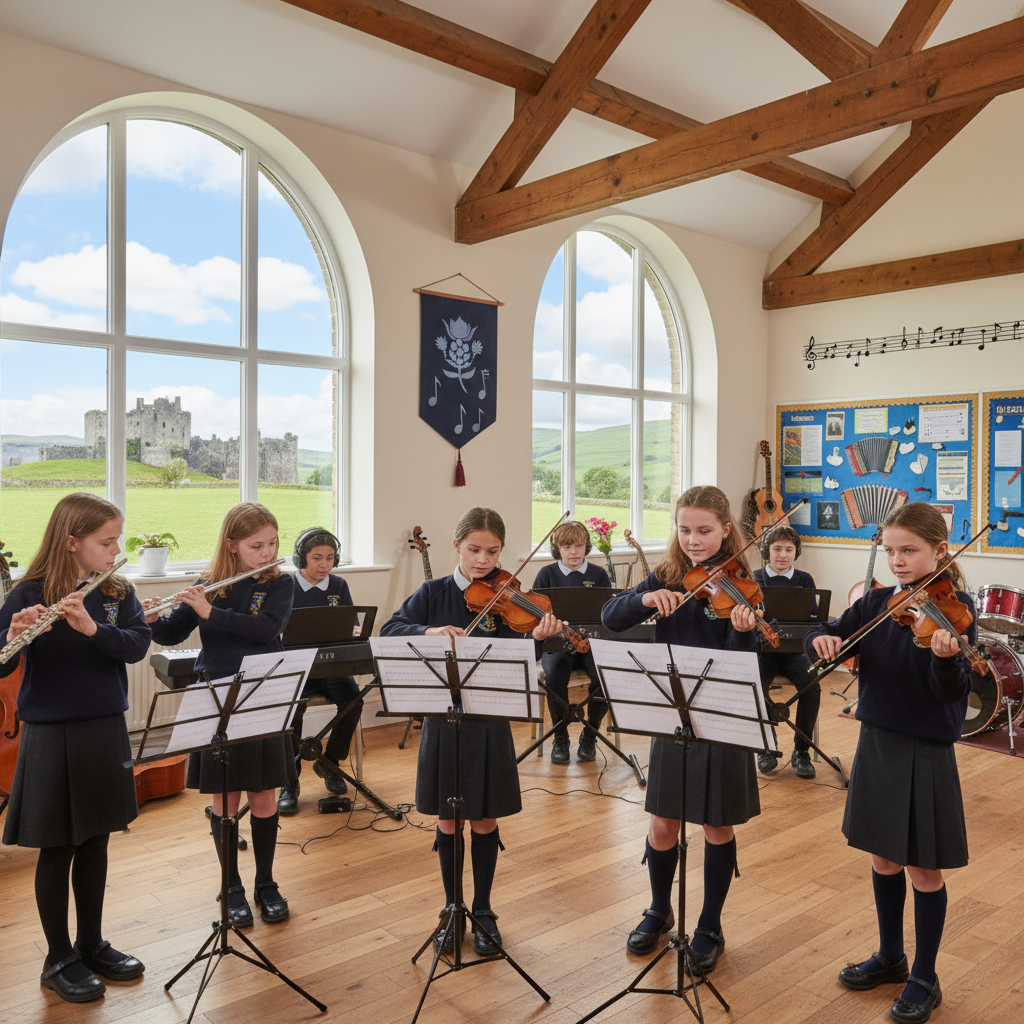
Several Scottish local authorities have moved to abolish or significantly reduce school instrumental music tuition fees following a £9 million Scottish Government funding package announced in mid-July. Glasgow, Dundee and parts of the Highlands are among councils confirming plans to remove charges that previously cost families between £150 and £300 per child annually.
The funding initiative, aimed at widening access to music education and easing cost-of-living pressures, represents a significant shift in how Scotland approaches arts provision in schools. Other councils across the country are currently reviewing their fee structures in light of the new money.
Councils respond to funding opportunity
Glasgow City Council confirmed it would scrap its existing charges, which had stood at around £200 per pupil per year for instrumental lessons. The decision affects thousands of pupils across the city's primary and secondary schools, with the council estimating that fee removal could increase participation by up to 40% based on previous demand patterns.
Dundee City Council similarly announced the removal of fees that had reached £300 annually for some instruments, whilst Highland Council indicated that several of its area committees were moving to eliminate charges in their respective regions. The Highland authority noted that rural communities had been particularly affected by the charges, with some families facing additional travel costs to access lessons.
The decisions mark a reversal of policies introduced during years of budget constraints, when many Scottish councils began charging for what had traditionally been free music tuition. Aberdeen City Council and Fife Council have also indicated they are reviewing their fee structures, though neither has yet committed to full abolition.
Mixed reaction from education sector
Teaching unions and parent groups have broadly welcomed the fee abolition but raised concerns about implementation challenges. The Educational Institute of Scotland highlighted that many councils still face acute shortages of qualified instrumental teachers, with some areas reporting vacancy rates of over 30% in music departments.
Representatives highlighted ongoing uncertainties around staffing levels, instrument provision and the long-term sustainability of the funding model. The Musicians' Union Scotland warned that increased demand following fee removal could exacerbate existing capacity issues unless councils simultaneously invest in teacher recruitment and training programmes.
Music education advocates pointed to persistent issues including teacher shortages and ageing instrument stocks that could limit the effectiveness of expanded access. Some councils report instrument inventories dating back decades, with repair costs often exceeding replacement values. Parent council representatives warned that without addressing these underlying capacity constraints, the removal of fees might simply create longer waiting lists rather than genuine increased participation.
Political debate over funding adequacy
Opposition politicians have questioned whether the £9 million allocation provides sufficient support across Scotland's 32 local authorities. Conservative education spokesperson Liz Smith argued that the funding represents approximately £280,000 per council, which she claimed would barely cover existing fee revenue losses, let alone fund service expansion.
Critics argued that the funding represents a short-term fix rather than a comprehensive solution to inequalities in music education access. Labour MSP Michael Marra called for a detailed breakdown of how the money would be distributed, noting that councils with higher existing participation rates might receive disproportionate benefits.
Some MSPs have called for legislation establishing a statutory right to free instrumental tuition across Scotland, similar to provisions that exist for other aspects of education. They contended that relying on individual council decisions creates a postcode lottery in music education opportunities, with rural and island communities potentially disadvantaged by limited local resources.
Broader implications for arts education
The funding package and subsequent council responses reflect wider debates about cultural access and social mobility in Scotland. Music education advocates have long argued that instrumental tuition provides benefits beyond musical skills, including improved academic performance and enhanced social development.
Research has consistently shown that children from lower-income families are significantly less likely to access instrumental music lessons, creating disparities that can persist into adulthood and professional music careers. Data from Creative Scotland indicates that only 12% of children from the most deprived areas participate in regular instrumental tuition, compared to 45% from the least deprived areas.
The fee removal could help address these inequalities, according to the BBC report on the funding announcement. However, education researchers have noted that access barriers extend beyond cost, including transport difficulties in rural areas and cultural factors that may discourage participation among certain communities.
Questions remain about whether the current financial year allocation will continue in future budgets. Council finance directors noted that sustainable music education provision requires multi-year funding commitments to support teacher recruitment and instrument replacement programmes effectively. Several councils have indicated they will need clarity on future funding before committing to permanent fee abolition, raising concerns about potential policy reversals if government priorities shift.