Supreme Court upholds Scottish minimum unit pricing in landmark alcohol ruling
Seven-judge panel rejects final industry challenge to 65p-per-unit floor price, cementing Scotland's public health approach to alcohol policy.
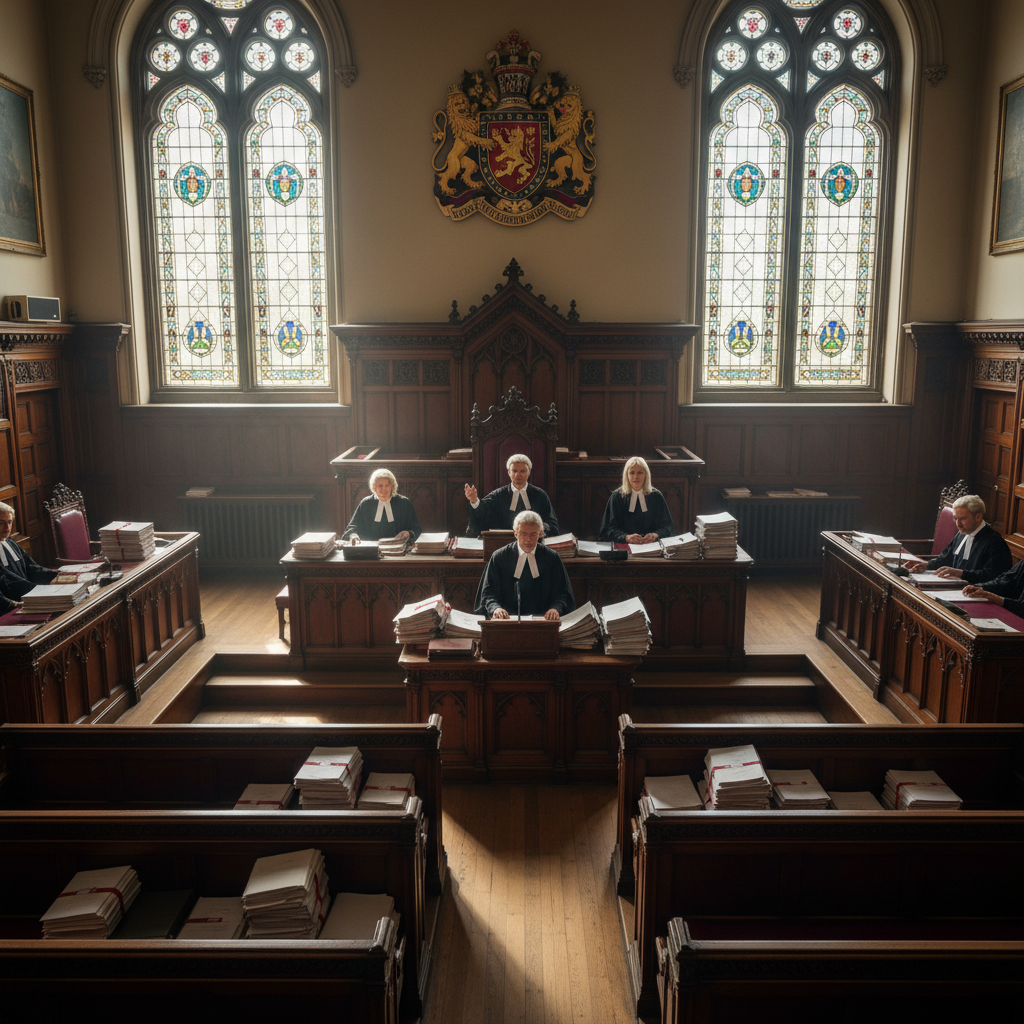
The UK Supreme Court has ruled that Scotland's minimum unit pricing for alcohol is lawful, rejecting a final challenge from drinks manufacturers and trade bodies on 17 July. The seven-judge panel held that public health benefits justified any restrictions on trade, confirming Holyrood's authority to set a legal floor price per unit of alcohol at the current rate of 65p.
The unanimous decision represents the conclusion of a years-long legal battle that has seen the policy challenged through multiple court levels since its introduction. Ministers in Edinburgh welcomed the judgment as vindication of Scotland's distinctive approach to tackling alcohol-related harm, while industry representatives warned of continued pressure on producers and consumers.
Court backs public health over trade concerns
The Supreme Court's ruling focused on whether the minimum unit pricing policy constituted an unlawful restriction on free trade within the UK. The seven justices concluded that the public health objectives of reducing alcohol consumption and related harm outweighed concerns about market interference raised by the consortium of drinks manufacturers and trade bodies.
The court specifically recognised the Scottish Government's evidence linking minimum unit pricing to reduced alcohol-related deaths and hospital admissions since the policy's implementation. This data proved crucial in demonstrating that the 65p-per-unit floor price served a legitimate public health purpose rather than simply restricting commerce.
Legal experts noted that the ruling strengthens the precedent for devolved administrations to pursue public health policies that may impact trade, provided they can demonstrate clear benefits to population health and wellbeing.
Ministers celebrate policy vindication
Scottish Government ministers hailed the Supreme Court decision as a major victory for evidence-based public health policy. The ruling allows the current 65p-per-unit minimum to remain in force and provides legal certainty for future adjustments to the rate based on inflation or public health evidence.
Health campaigners who supported the policy throughout the legal challenges expressed relief that the court had recognised the importance of protecting vulnerable communities from alcohol-related harm. They argued that minimum unit pricing particularly benefits areas with high levels of deprivation where cheap, high-strength alcohol has contributed to significant health inequalities.
The decision also validates Scotland's position as a pioneer in alcohol policy, with other jurisdictions including Wales having introduced similar measures based on the Scottish model.
Industry warns of ongoing pressures
Representatives from the whisky and retail industries, who formed part of the challenging consortium, expressed disappointment with the Supreme Court's decision. They warned that the confirmed minimum pricing policy would continue to place pressure on both producers and consumers during a period of economic uncertainty.
Retail trade bodies argued that the policy disproportionately affects lower-income households and small businesses, while drinks manufacturers raised concerns about the impact on Scotland's reputation as a competitive market for alcohol products. Some industry figures suggested they would now focus on lobbying for future policy reviews rather than pursuing further legal challenges.
However, the court's clear backing of the public health rationale suggests that any future industry challenges would face significant legal hurdles given the established precedent.
Policy's future and wider implications
The Supreme Court ruling provides the Scottish Government with legal certainty to maintain and potentially strengthen minimum unit pricing in response to public health evidence. Officials indicated they would continue monitoring the policy's effectiveness and could adjust the 65p rate in future based on inflation or new research findings.
The decision may encourage other UK nations to consider similar measures, with Wales already operating its own minimum unit pricing system. Public health advocates suggested the ruling could also influence alcohol policy discussions in other countries examining Scotland's approach.
According to BBC Scotland's report, the judgment represents the final legal hurdle for minimum unit pricing after years of court battles that began before the policy's initial implementation.
The ruling establishes minimum unit pricing as a permanent feature of Scotland's public health landscape, marking a significant moment in the country's efforts to address alcohol-related harm through legislative intervention rather than relying solely on voluntary industry measures.