
I watched the BAFTAs on Sunday night and what happened was, by turns, uncomfortable, illuminating, and deeply sad. Not because of what was said, but because of how quickly people reached for outrage before bothering to understand what they were witnessing.
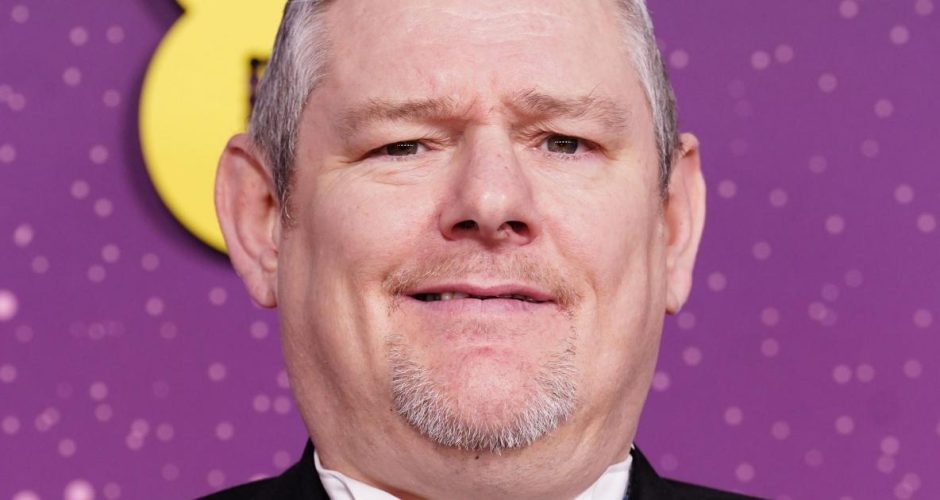
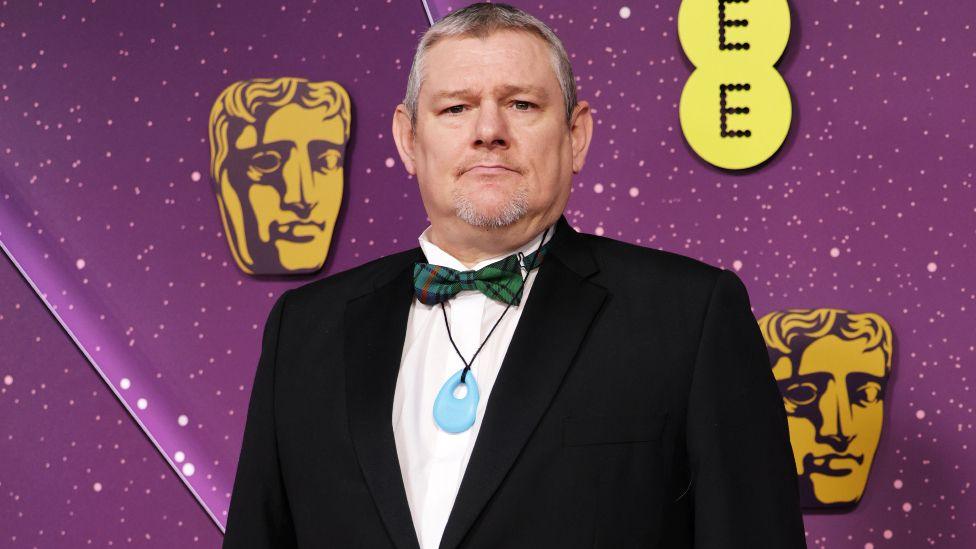
John Davidson, the Scottish Tourette syndrome campaigner whose life story is told in the film I Swear, was in the audience at the Royal Festival Hall. During the ceremony, his involuntary vocal tics included a racial slur that was broadcast by the BBC. It happened as actors Delroy Lindo and Michael B Jordan were on stage presenting the special visual effects award.
Host Alan Cumming addressed it directly: “Tourette syndrome is a disability and the tics you have heard tonight are involuntary, which means the person who has Tourette syndrome has no control over their language. We apologise if you were offended.”
That should have been the end of it. It was not.
The Social Media Pile On
Jamie Foxx, the American actor, posted on Instagram calling the outburst “unacceptable” and suggesting the words were intentional. “Out of all the words, you could’ve said Tourette’s makes you say that?” he wrote. “Nah he meant that.”
I find this response profoundly ignorant, and I do not use that word lightly. Tourette syndrome is a neurological condition. The tics are involuntary. They are not chosen, not endorsed, and not a reflection of the person’s character or beliefs. Davidson has spent decades campaigning to make exactly this point, and here was a Hollywood star with millions of followers undoing that work in a single post.
Tourettes Action, the charity, responded with dignity and patience that I am not sure I could have mustered. A spokesperson said: “We deeply understand that these words can cause hurt but, at the same time, it is vital that the public understands a fundamental truth about Tourette syndrome: tics are involuntary.”
The Film That Should Have Changed Everything
I Swear had a remarkable night at the BAFTAs. Robert Aramayo won the Leading Actor award and the EE Rising Star award for his portrayal of Davidson. The film also won for best casting. It is a beautiful piece of work that shows, with honesty and humour, what it means to live with a condition that makes your own body betray you in public, repeatedly, without warning.
And yet, in the very room where that film was being celebrated, the reaction to Davidson’s tics proved the point the film was trying to make. We are still not there. We still do not understand.
Davidson reportedly left the ceremony early. Tourettes Action said he was “deeply mortified” by the incident. Tourette Scotland, which has worked with Davidson for years, described the backlash as “deeply saddening.”
The BBC’s Response
The BBC initially apologised for “any offence caused” and noted the language was not intentional. They later apologised more directly for failing to edit the slur out before broadcast and removed the ceremony from iPlayer.
I think the BBC got it roughly right in the end, though it took them a couple of attempts. The original broadcast was live, so there was little they could do in the moment. The failure to edit before the iPlayer version went up was a genuine mistake.
But my real frustration is not with the BBC. It is with a culture that can watch an award winning film about the reality of Tourette syndrome and then, minutes later, condemn a man for exhibiting the exact symptoms the film depicts. If we cannot hold those two things in our heads at the same time, I am not sure what hope there is for public discourse about disability more broadly.
Davidson deserved better on Sunday night. He deserved to sit in that audience and watch a film about his life win major awards without becoming the centre of a controversy that was not of his making. I hope he knows that most people in Scotland are proud of him, and that the loud voices online do not speak for the majority.