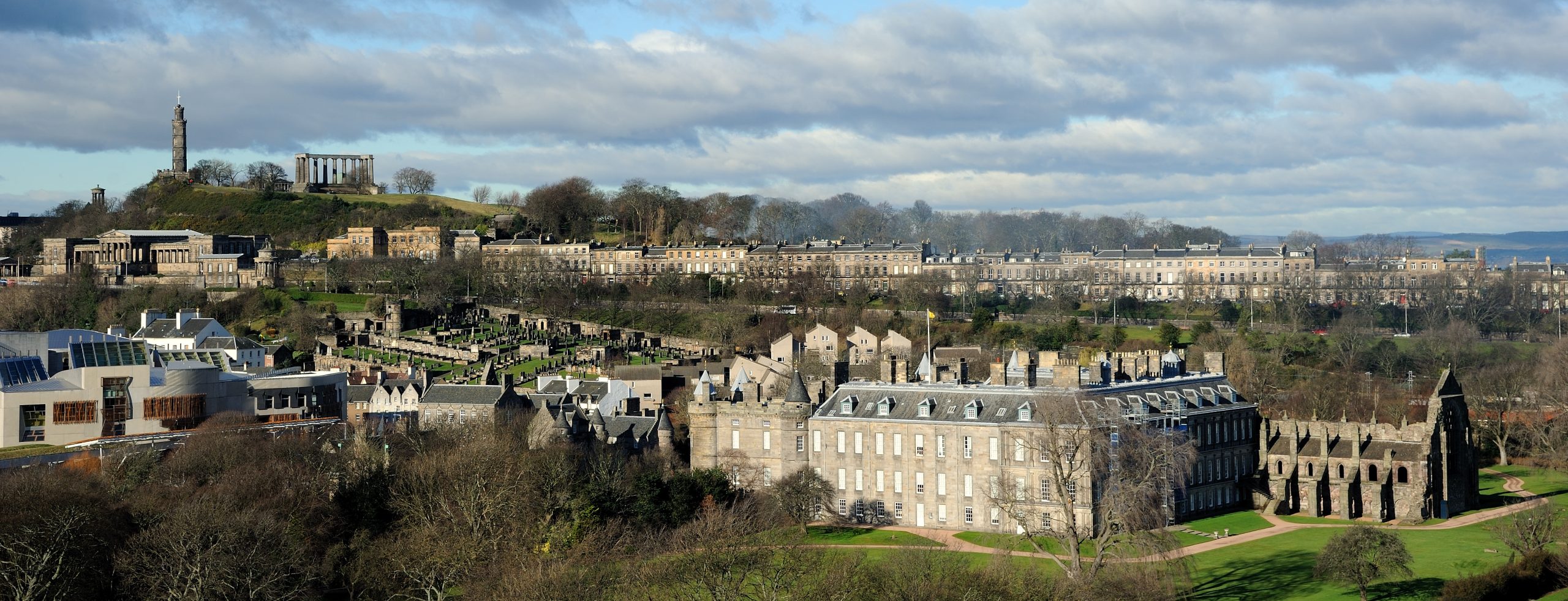
Scottish politics has always been more complex than the binary narratives suggest. Independence or union, left or right, Holyrood or Westminster. The reality I observe from the press gallery is far messier, far more interesting, and far more consequential for ordinary Scots.
The devolution settlement of 1999 created a hybrid governance structure that generates constant friction. Powers over health, education, and justice rest in Edinburgh, while taxation, welfare, and foreign policy remain largely in London. This split produces policy laboratories and political battlegrounds in equal measure.
Holyrood’s Evolving Role
I’ve watched the Scottish Parliament mature from an ambitious experiment into a genuine seat of power. The chamber may lack Westminster’s grandeur, but it exercises real authority over the daily lives of 5.5 million people. Decisions on prescription charges, university tuition, and land reform have created a distinctly Scottish policy environment.
The committee system, which I cover regularly, does vital scrutiny work that rarely makes headlines. It’s in these rooms that ministers face real accountability, that legislation gets tested against practical reality, that special interests get exposed.
The Independence Question That Never Sleeps
Constitutional politics saturates everything. Even debates about bus routes or hospital funding eventually circle back to questions of sovereignty and self-determination. I’ve covered enough budget debates to know that fiscal projections are never just about numbers; they’re weapons in a larger battle over Scotland’s future.
The challenge for political journalists is cutting through the constitutional noise to examine actual governance. What’s the Scottish Government doing about child poverty? How effective are its climate policies? Is Police Scotland fit for purpose? These questions matter regardless of where you stand on independence.
Local Politics, National Impact
Scotland’s 32 local authorities wield enormous power over planning, education, and social care. Yet council politics gets a fraction of the attention it deserves. I try to cover the decisions being made in Aberdeen, Stirling, and the Borders because they shape communities just as much as anything happening in Edinburgh.
The path forward for Scottish politics isn’t a single destination. It’s an ongoing negotiation between competing visions, constrained resources, and democratic accountability. My job is to document that journey honestly.