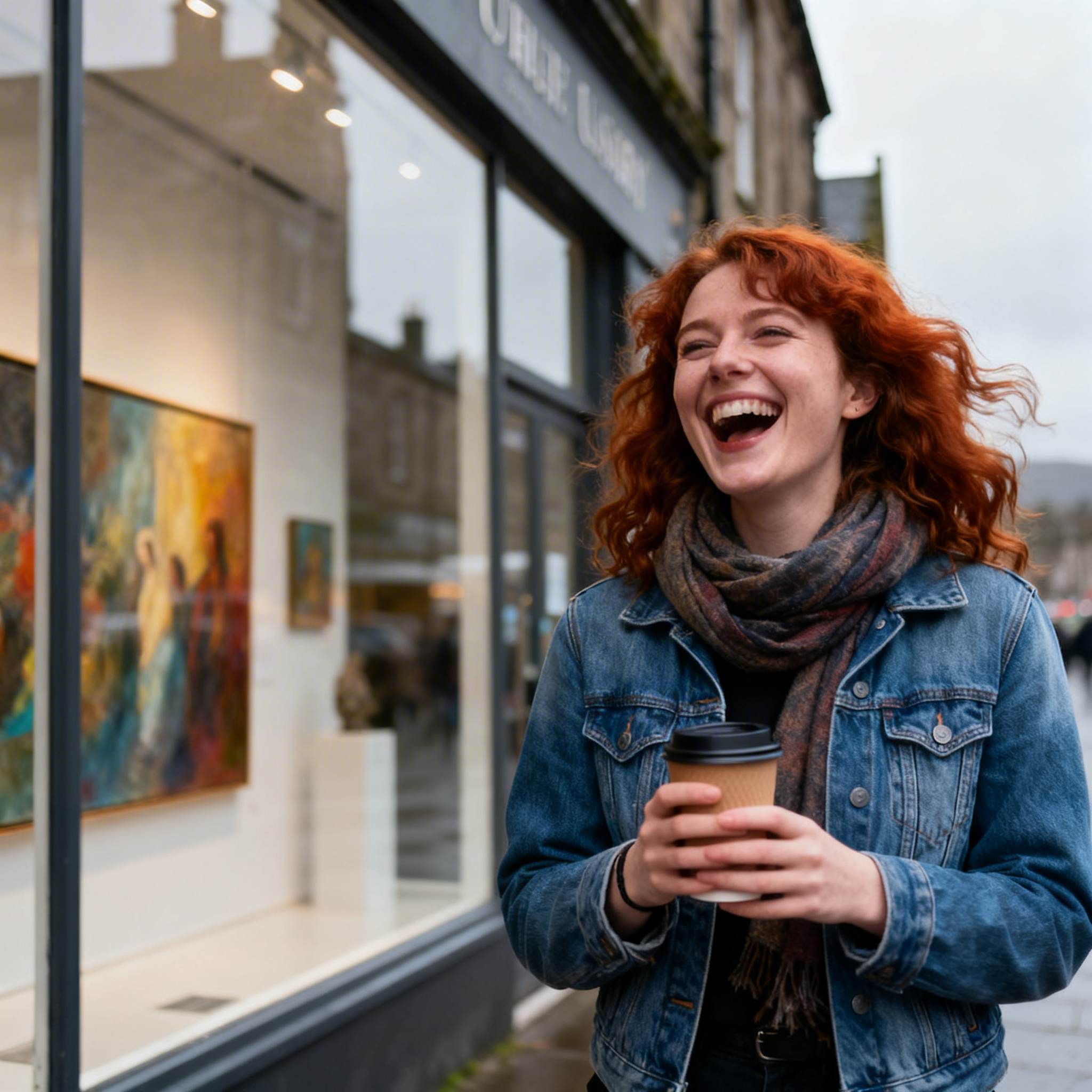

Scottish culture isn’t a museum piece. It’s not tartan tea towels or shortbread tins, though those exist too. It’s a living, evolving thing that I see changing every time I attend a festival, visit a gallery, or talk to artists creating work that challenges what it means to be Scottish in 2026.
My beat takes me from the Edinburgh Fringe to tiny arts venues in the Highlands, from experimental theatre in Glasgow to traditional music sessions in island pubs. What strikes me most is the confidence. Scottish artists no longer feel the need to apologize for their Scottishness or to perform it for external audiences. They simply create.
The Arts Scene Beyond Edinburgh
Everyone knows about Edinburgh’s August madness, when the city becomes one giant arts festival. But Scottish culture thrives year-round in places that rarely make the tourist guides. Dundee’s contemporary art scene, the music venues of Aberdeen, the writers emerging from communities across the central belt.
I’ve covered storytelling festivals in the Outer Hebrides where Gaelic language and culture are being reinvigorated by young people who refuse to let their heritage become a historical footnote. I’ve watched dance companies in Inverness push boundaries while remaining rooted in Scottish movement traditions.
Literature and Language
Scottish literature has always punched above its weight. In 2026, I’m seeing a new generation of writers tackling contemporary themes while drawing on Scotland’s rich literary traditions. Crime fiction set in Scottish cities continues to captivate global audiences, but there’s also poetry, experimental fiction, and non-fiction that explores Scottish identity in nuanced ways.
The Scots language, long marginalized, is experiencing a revival. Not as a political statement, but as a natural medium for expression. I hear it in spoken word performances, see it in theatre productions, read it in novels that use Scots not for authenticity cosplay but because it’s the right tool for the story being told.
Music: Traditional and Everything Else
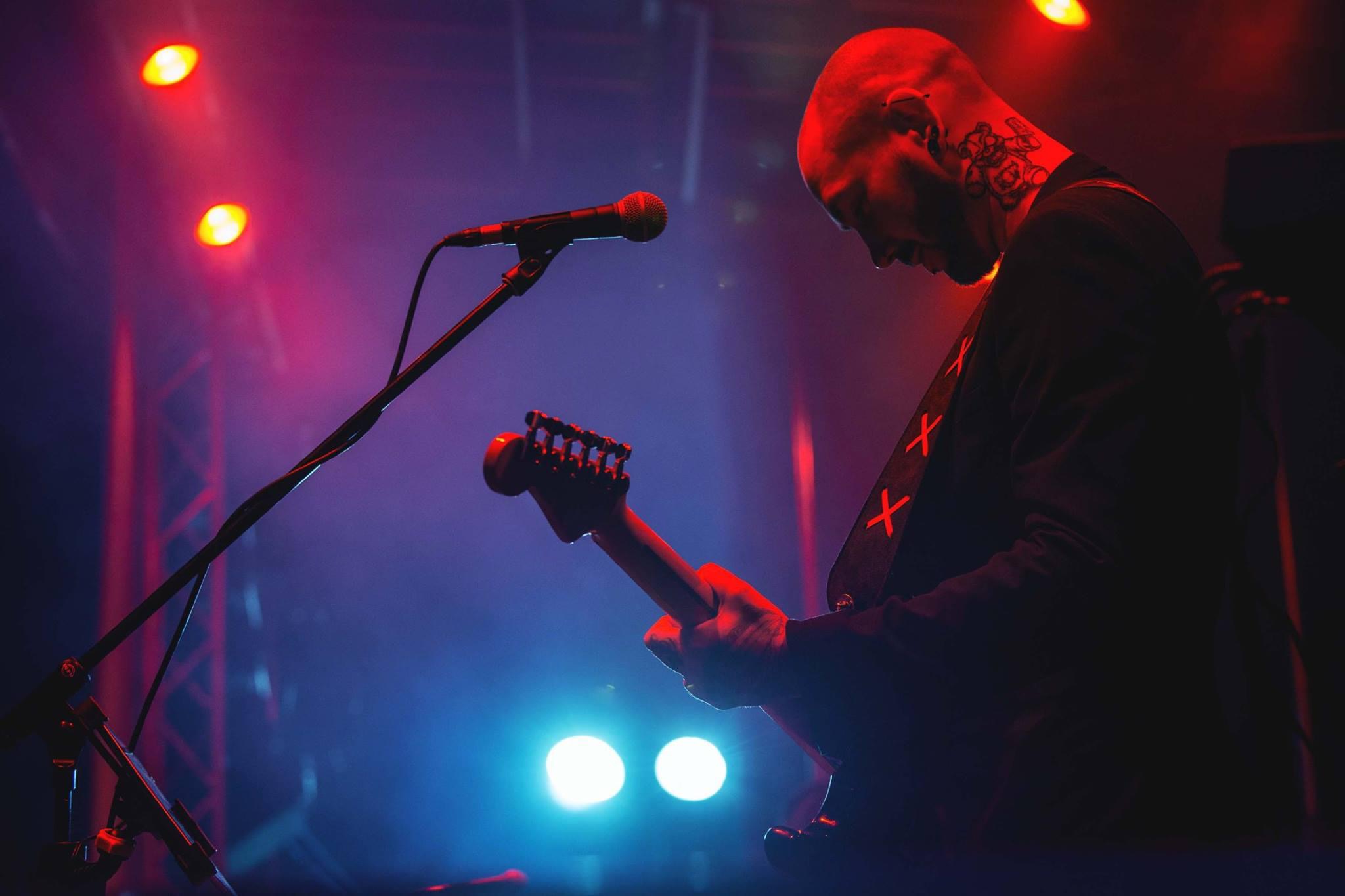
Scottish music defies easy categorization. Traditional folk sits alongside electronic experimentation. Celtic Connections brings together musicians from around the world each January. Glasgow’s music scene produces everything from indie rock to grime to classical composition.
What I love about covering Scottish culture is its refusal to be one thing. It’s confident enough to embrace contradictions, to be traditional and radical, to look inward and outward simultaneously. That’s what makes it vital.