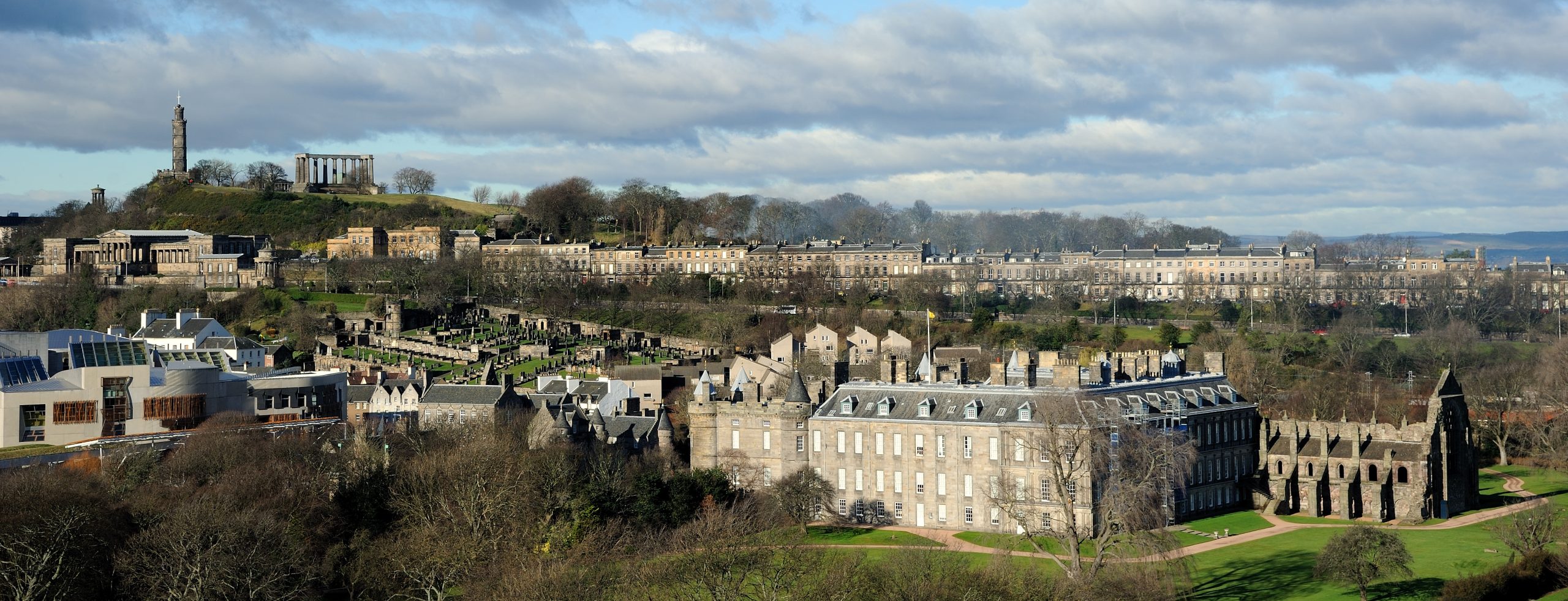
Every Holyrood election gets described as the most important yet. This time, the cliché happens to be true. The 2026 Scottish Parliament election comes at a moment when constitutional questions, public service pressures, and economic uncertainty are colliding. The result could reshape Scottish politics for a generation.
The SNP Seeks a Fourth Consecutive Victory
The Scottish National Party has dominated Scottish politics since 2007. No other party in modern UK politics has matched this electoral consistency. But dominance breeds complacency, and recent polling suggests the SNP’s grip may be loosening.
Current projections put the SNP on 38% constituency vote and 32% regional list vote. That would likely return them as the largest party but short of an overall majority. They’d need Green support to form a government, as they have since 2021. But the Greens are polling at 9%, down from their 2021 peak, and the relationship has been fractious over issues like trans rights and deposit return schemes.
Labour Sees an Opening
Scottish Labour under Anas Sarwar is polling around 31% on the constituency vote, their best position in a decade. The UK Labour government’s first year has been rocky, but Sarwar has successfully distanced himself from Westminster while presenting a competent alternative to SNP governance.
Labour’s path to power requires winning back Central Belt constituencies lost to the SNP in 2015. Current polling suggests they could take Glasgow Southside, Edinburgh Western, and several Lanarkshire seats. Combined with strong regional list performance, Labour could emerge with 40-45 MSPs, up from 22 currently.
But there’s a catch. Even a strong Labour performance probably doesn’t deliver a unionist majority. The Conservatives are polling around 18%, the Liberal Democrats at 8%. Add those together with Labour’s projected seats, and you’re still a few short of 65 MSPs needed for a majority. Scotland remains fundamentally divided on constitutional lines.
The Conservative Dilemma
Scottish Conservatives face an existential question: what is their purpose beyond opposing independence? Under Douglas Ross, they positioned themselves as the party of the Union and little else. New leader Jane Mitchell is trying to broaden the appeal with focus on rural issues, taxation, and public service delivery.
The problem is that their core vote is elderly, concentrated in rural areas, and shrinking. They’ll likely hold seats in the Borders, Aberdeenshire, and Perthshire, but breaking out of that demographic and geographic base looks nearly impossible while the UK Conservative Party remains deeply unpopular in Scotland.
Battleground Constituencies to Watch
Several constituencies will determine the election’s shape. Edinburgh Central is a three-way marginal between SNP, Labour, and Conservatives. Whoever wins there often reflects the national mood.
Ayr is a bellwether for Conservative fortunes, currently held with a narrow majority. If they lose it, their seat total could drop into the teens. Conversely, Aberdeen South and North Kincardine could see Liberal Democrat gains if their local government performance translates to parliamentary success.
The Central Belt constituencies around Glasgow, Motherwell, and Coatbridge are where Labour’s revival will be tested. These were once impregnable Labour strongholds until the SNP’s 2015 breakthrough. Can Labour win them back, or has Scottish politics permanently realigned on constitutional rather than class lines?
Wildcard Candidates and Single-Issue Campaigns
Several independent candidates are mounting credible campaigns. Former SNP MP Joanna Cherry is standing as an independent in Edinburgh South West after deselection controversies. She could split the SNP vote and hand the seat to Labour or even win herself.
The Alba Party under Alex Salmond continues to position itself as the true voice of independence. They’re polling at 3-4%, enough to potentially win a couple of regional list seats but not enough for a breakthrough. Their main impact may be draining SNP list votes and ironically reducing the pro-independence majority.
The Scottish Greens face internal tensions between their radical environmental policies and pragmatic power-sharing with the SNP. Patrick Harvie’s co-leadership has been effective, but the party risks being squeezed between SNP voters who want independence delivered and progressive voters frustrated with the government’s record on housing and public services.
What the Polls Suggest
If current polling holds, the most likely outcome is a hung parliament with the SNP as largest party but without a majority. They’d need Green support to pass legislation and budgets. This would effectively continue the current arrangement, though with reduced SNP influence.
A Labour-led government is possible but would require near-perfect execution in target seats and probably informal cooperation with Liberal Democrats. Labour has ruled out coalition with the SNP, so a unionist administration depends entirely on those parties’ combined seat totals.
The least likely outcome is an SNP overall majority, which would require a late polling surge that isn’t currently evident. Equally unlikely is any government without SNP or Labour as senior partner. Scotland’s electoral geography makes fringe breakthroughs difficult.
Why This Election Matters More Than Most
The result will determine whether Scotland’s constitutional debate continues to dominate or gets parked for several years. An SNP-Green government would pursue independence referendum demands. A Labour-led administration would focus on public service delivery and economic growth while keeping independence off the agenda.
Beyond constitutional questions, this election will determine whether Scotland’s high-tax, high-spend model continues or shifts toward the more business-friendly approach Labour is hinting at. It will decide whether NHS Scotland gets the reform and investment it desperately needs. It will shape climate policy, housing strategy, and education reform.
The campaign hasn’t formally started, but the battle lines are clear. SNP competence versus Labour renewal. Constitutional priority versus public service focus. Continuity versus change. By May 2026, Scotland will have chosen its direction. The only certainty is that roughly half the country will be disappointed with the result.