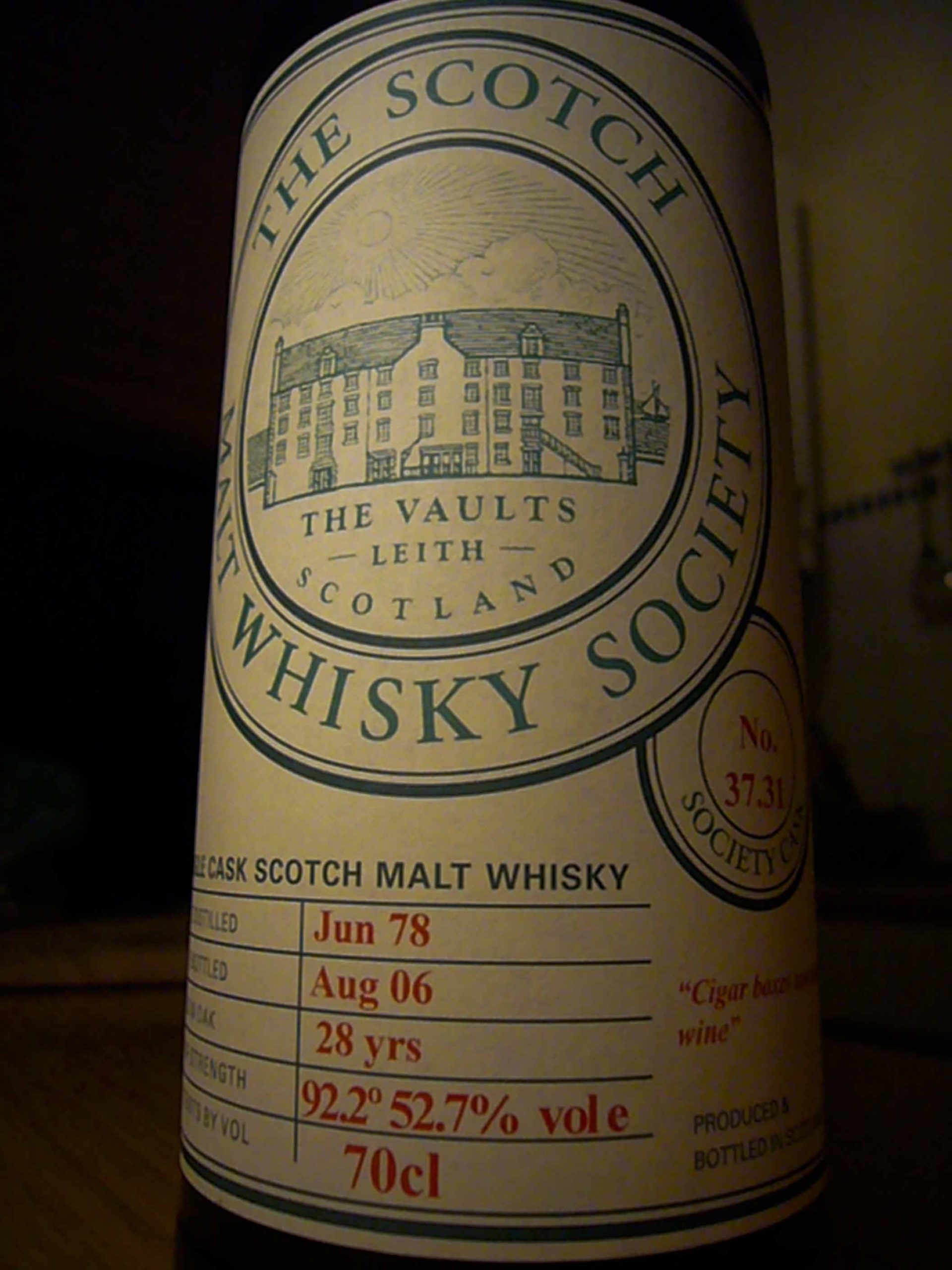
Scotland’s whisky regions are as distinct as its landscapes, each producing spirits with character shaped by local water, climate, and centuries of craft tradition. I’ve spent the last six months touring distilleries from Islay to Speyside, tasting everything from delicate florals to peat monsters. This is my guide to matching your mood with Scotland’s most famous export.
Speyside: The Gentle Introduction
More than half of Scotland’s distilleries cluster in Speyside, the fertile valley of the River Spey. This is Scotland’s whisky heartland, producing approachable, elegant malts that convert wine drinkers and whisky sceptics alike.
Speyside character tends toward fruit, honey, and subtle spice. The Glenlivet offers crisp apple and pear notes, perfect for a sunny afternoon when you want something refreshing. Glenfiddich’s 12-year-old is pear and oak with vanilla sweetness, an excellent gateway whisky that won’t intimidate newcomers.
For something richer, try Aberlour A’bunadh, a cask-strength sherry bomb with dried fruit, chocolate, and warming spice. This is a winter evening dram, sipped slowly by a fire with a book and no urgency to be anywhere.
I visited Macallan’s new distillery last summer, an architectural marvel built into the hillside. Their sherry-cask whiskies are expensive but exceptional, with complex layers of dried fruit, spice, and oak that reveal themselves over half an hour of contemplative sipping. This is special occasion whisky, for celebrating or commiserating significant life events.
Islay: Peat, Power, and Coastal Character
Cross to Islay and you enter whisky’s extreme sport. This small Hebridean island produces some of Scotland’s most assertive, polarising malts. You’ll either love Islay whisky or find it undrinkable. There’s rarely middle ground.
The defining characteristic is peat smoke, that campfire, medicinal, TCP-soaked flavour that permeates Islay whiskies. Laphroaig 10 is the entry point: intense peat, iodine, and seaweed with underlying sweetness. It tastes like standing on a beach in a storm, in the best possible way.
Ardbeg Uigeadail takes the intensity further, combining peat smoke with sherry sweetness in a combination that shouldn’t work but does brilliantly. This is contemplative whisky for experienced drinkers who want something challenging.
Not all Islay is peat monsters. Bruichladdich makes unpeated whiskies that showcase barley character and cask influence without smoke. Their Classic Laddie is maritime and floral, proving Islay can do subtlety when it chooses.
I spent three days on Islay last autumn, cycling between distilleries and tasting rooms. The landscape shapes the whisky: exposed Atlantic coastline, peat bogs, whitewashed distilleries clinging to shorelines. You taste the place in every dram.
Highland: Diverse and Difficult to Define
The Highlands are Scotland’s largest whisky region and the hardest to generalise. Geography ranges from coastal distilleries to mountain glens, and whisky character varies accordingly.
Coastal Highlands like Oban produce malts with maritime salinity and subtle smoke. Oban 14 is honeyed and slightly smoky with sea spray character, accessible but interesting. This is versatile whisky that works year-round.
Further inland, Dalwhinnie sits at Scotland’s highest elevation, producing delicate, heather-honey whiskies with gentle smoke. This is contemplative morning whisky (not that I’m advocating breakfast whisky, but if I were, Dalwhinnie would be the choice).
The far north coast produces whiskies with surprising diversity. Glenmorangie’s range showcases cask influence, from bourbon-aged Original to port-cask Quinta Ruban. They’re experimenting constantly, treating whisky-making as creative craft rather than rigid tradition.
Lowland: The Forgotten Region
The Lowlands once hosted dozens of distilleries. Today, only a handful remain. Lowland whiskies tend toward lightness and grass, less complex than other regions but perfectly pleasant for casual drinking.
Auchentoshan triple-distils their spirit, producing exceptionally smooth whisky with vanilla, citrus, and gentle malt character. This is summer garden party whisky, approachable and unchallenging.
The Lowland style fell out of fashion as richer, bolder whiskies gained popularity. But there’s a place for subtle, easy-drinking malts that don’t demand your full attention. Sometimes you want whisky that accompanies conversation rather than dominating it.
Campbeltown: The Comeback Region
Campbeltown on the Kintyre peninsula was once Scotland’s whisky capital, home to over thirty distilleries. Economic decline and prohibition reduced it to three, but those three are producing exceptional whisky.
Springbank is the jewel of Campbeltown: complex, slightly funky, with maritime salinity, dried fruit, and gentle peat. They control every production step in-house, from malting to bottling, producing whisky with remarkable consistency and character.
Glen Scotia offers more accessible Campbeltown style at lower prices. Their Victoriana is rich and sherried with coastal notes, excellent value for the quality.
Campbeltown’s whisky tends toward robustness with maritime influence, not as peated as Islay but more assertive than Speyside. This is whisky for experienced drinkers seeking something distinctive without Islay’s confrontational intensity.
How to Actually Taste Whisky
Nosing and tasting whisky isn’t pretentious ritual; it’s how you appreciate what you’re drinking. Pour a measure into a proper glass (tulip-shaped to concentrate aromas). Add a splash of water if it’s cask strength; dilution releases different flavours.
Nose first: what do you smell? Fruit, smoke, vanilla, spice, flowers? There are no wrong answers. Your nose is individual; your associations are valid even if they don’t match the tasting notes.
Taste: let it coat your mouth before swallowing. Different flavours emerge: initial sweetness, mid-palate complexity, finish length and character. Good whisky evolves over minutes, revealing layers you didn’t detect initially.
Most importantly: drink what you enjoy, how you enjoy it. Ice, water, neat, in cocktails—there are no rules. Anyone who tells you otherwise is more interested in gatekeeping than appreciation.
The Tourism Boom
Scotland’s whisky tourism industry has exploded. Distillery visits now rival castles and lochs as tourist attractions. The industry contributes £7 billion annually to the Scottish economy, supports 66,000 jobs, and attracts visitors from across the world.
This growth brings investment and jobs to rural areas that need both. But it also risks turning whisky heritage into theme park experience. Some new distillery visitor centres feel more like retail operations than working distilleries. The balance between preserving craft tradition and capitalising on tourism interest isn’t always struck successfully.
Matching Whisky to Your Mood
Contemplative evening: Aberlour A’bunadh, no water, no rush.
Summer afternoon: Glenlivet 12, slight chill, outside.
Celebration: Macallan 18 Sherry Oak, share with people you value.
Challenging your palate: Laphroaig Quarter Cask, prepare for intensity.
Easy company: Auchentoshan American Oak, conversations flow easily.
Exploring complexity: Springbank 15, spend an hour discovering layers.
Scotland’s whisky regions offer spirit for every preference and occasion. The joy is exploring, discovering what appeals to your individual palate, and finding those perfect matches between mood, moment, and dram. That journey of discovery is what makes Scottish whisky endlessly fascinating, even after two centuries of production and countless thousands of bottles.