 Bruce Gardner
Today’s banner
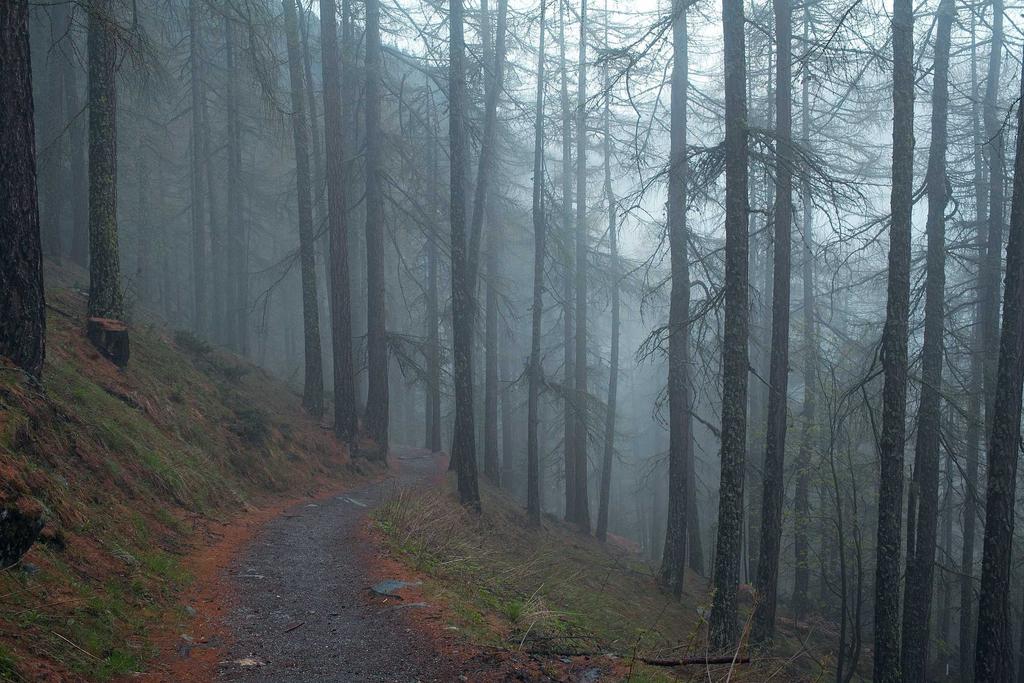
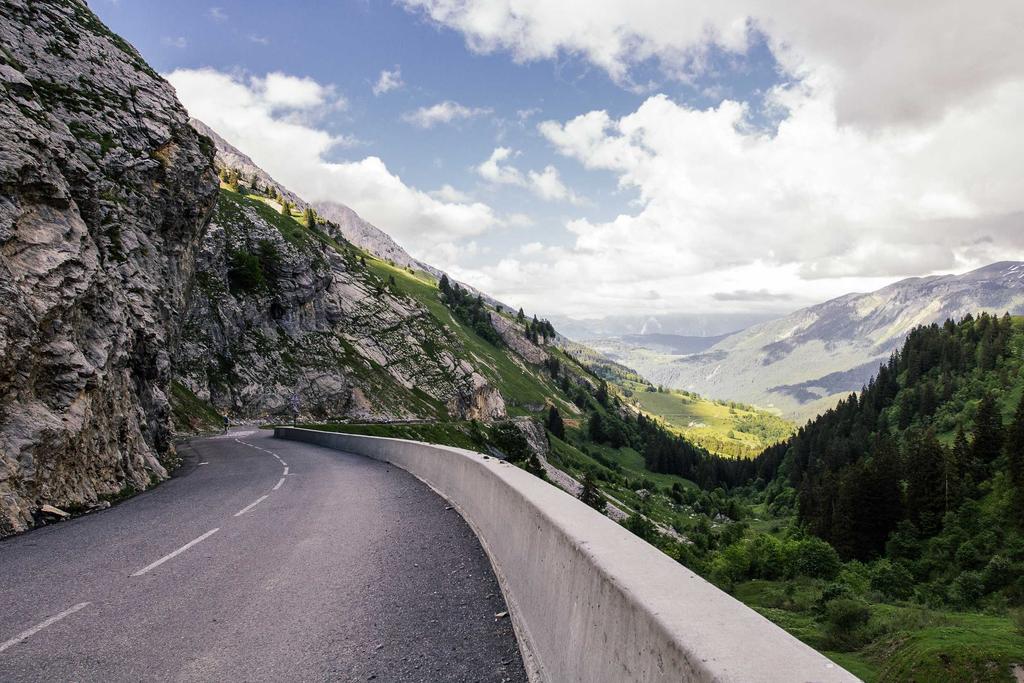
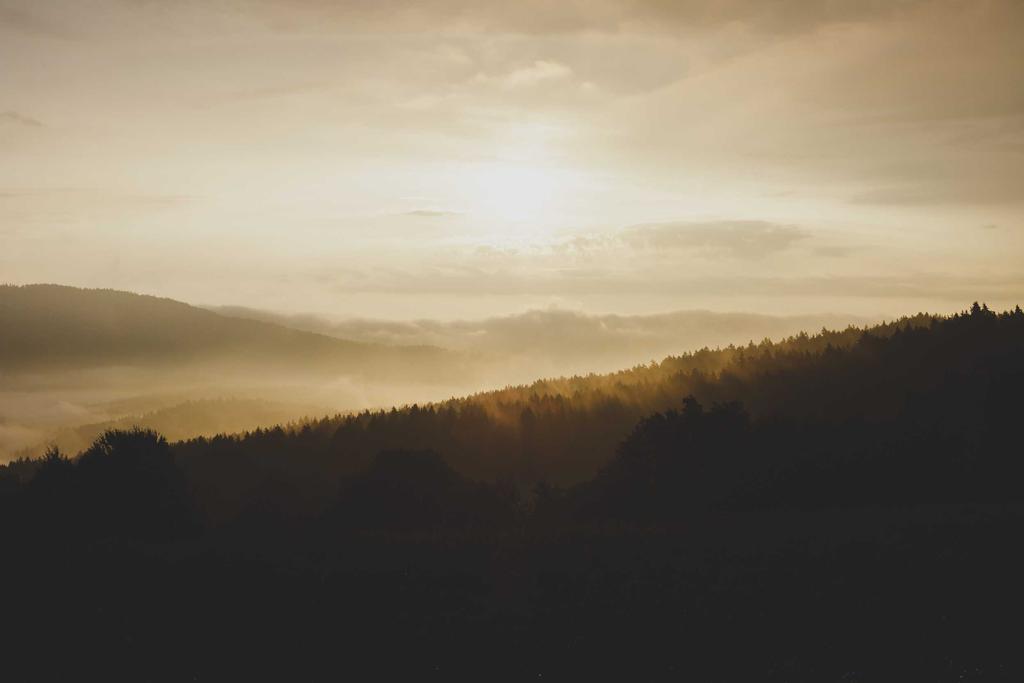
Rural Aberdeenshire
Photograph by
Islay McLeod

We should take seriously
the rise of assorted
cultures of protest
R D Kernohan
At one stage of my life I had often to disclaim any right or inclination to be styled as reverend. Now the editor of the Scottish Review (13 October) awards me the style of ‘the venerable’. I don’t think his style of address means that he thinks me either an archdeacon (as well as an ‘arch-Tory’) or setting out on the road to sanctity, just that I’m old.
Age doesn’t bring wisdom. The nearest you get to it may be admitting you’ve seen a lot of changes without knowing what to make of some of them. You may even boast that you’ve lived through revolutions, though in Peking, Prague, and St Petersburg they enjoy a wheezy laugh at such claims from the British section of the Venerable International.
Most of the British politics of my time have been about the management of predictable change: the fairly gentle dissolution of Empire; the decline of industrial competitiveness; the soaring cost of welfare amid rising expectations and ageing populations; the contortions involved in belonging to a uniting Europe without feeling wholly part of it. Even the increasing assertions of Scottish identity, and the various attempts by British parties to accommodate it, were predictable once we lost the opportunities and markets that went with imperialism.
Our ritualised political exchanges have often been closer than we realised to the approach that Anthony Trollope attributed to the eminent Victorian, Lord Palmerston: ‘Let things take their way naturally, with a slight direction hither or thither as things might require’.
But ‘letting things take their way naturally’ can mean coming to terms with changes as hectic in their pace and profound in their effects as any imposed by radical political manifestoes or even social disorder. So it was in the age of steam and the railway boom, then in the aftermath of Henry Ford, and now in the time of the internet and (whether mainly man-made or not) climate change. Politics are often about trying to catch up with events and ideas, and legislation about adjusting to their consequences, rather than shaping them. And some of the most significant, even revolutionary changes are those that have taken politicians and economists, even philosophers and theologians, unawares.
Of these the most evident and spectacular now, in personal convenience and inconvenience for secretive authority, is the internet and its ill-behaved offspring, social networking. Despite the impact of Wikileaks and what has been written about the internet’s role in events from the Arab Spring to the London summer riots, I suspect we have only seen the beginning of the internet’s social and political influence; and I also suspect that attempts to regulate it, even where supported by public opinion and what remains of a moral consensus, may be about as effective as attempts, in the distant days of Iron Curtain communism, to keep tabs on typewriters.
Politicians inevitably exaggerate their command of events through legislation and regulation. Almost all Western European countries, like the United States, have tried to control the scale and style of immigration from the East and South, encouraged as it is by ease of travel, economic aspirations, and the reluctance of their own people to do dull, rough, or unpleasant work. Almost all have made a bad job of it. But, just as politicians exaggerate their claims to control events, so do media professionals overestimate their role in shaping trends, habits, and ideas. Sometimes we even think we’ve taken over from the poets whom Shelley called ‘the unacknowledged legislators of the world’. In fact we don’t do much more than observe, record, comment, and occasionally encourage or inhibit action. If we are ‘progressives’ we may offer unnecessary encouragement to what’s already happening and if we are reactionaries (like me) often sound ineffective warnings against what we cannot stop.
In the cases where media and governments are on the same side, there are also limitations on their power, some of them only too evident. The most obvious example is the attempt, overwhelmingly supported by pillars of society, afflicted communities, and concerned professionals, to save drug addicts from themselves and the criminals who thrive on them. Even the advocates of ‘legalisation’ usually base their arguments on hopes of more effective damage limitation. A more subtly significant example of the limited power of public law and media exhortation is the alliance of pillars of sobriety – politicians, journalists, and doctors who were once medical students – against the demon drink.
I don’t deride their concern and in general I share it. The brave new world of liberal licensing laws, so heartily welcomed by most politicians and journalists of my age, seems to have made things no better and perhaps worse. It has brought an inevitable reaction from the new temperance lobbies and their friends in government. Any venerable person – caught out perhaps when trying illegally to add claret to his early morning shopping trolley – must wonder if we’re heading for variations on forgotten themes of restricted hours, dry council housing estates, and local option.
Political revolutions are made by eagerly committed minorities exploiting a situation in which traditional institutions and political classes have lost influence over events or the respect of a wider and discontented population.
I don’t complain and may exaggerate, but I note that some of the limitations on the power of the state rest not on declarations of human rights but on the frustrating ways of human nature. Smoking has been drastically reduced – one of the minor revolutions apparent to any of us who did national or newspaper service in the 1950s – because the alleged enjoyment was outweighed by the proven dangers. I’m not sure whether today’s generations think drink less dangerous or just more fun than smoking, but I fear they will defy the health lobby and frustrate its political allies.
Human nature, which has so long perplexed the theologians, has also given us more anarchy than order after the revolution which, along with the internet one, is probably the most important of our times: the sexual revolution, both in attitudes and apparent behaviour. There may still be a consensus in Britain that the preferred option for raising children should be in a family with a pair of parents of different sexes. But it has become politically inexpedient to add a further preference for them to be married and politically impossible – if the post-election behaviour of the Cameron-Osborne partnership is any guide – to use the tax and benefit system to promote and favour marriage and the family values that all parties once talked about. The only promotion of marriage that seems in political and media favour is one to extend that title to the ceremonies and legal arrangements already open to homosexual couples.
To say this is not to heap the blame on politicians and media, for both these trades depend on guessing correctly what the public wants, cares about, or will let them off with. They may be unduly deferential to whims and fashions, especially in deciding which zealous minorities they appease and which (like the cruel necessity which puts old-fashioned Protestants like me on the same side as papal prelates) they can safely ignore. The political and media attitudes to what now often seems an outrageously permissive society – read the Sun newspaper’s benevolent coverage of ‘romping’ – seem to reflect wider public attitudes more than they form them. We have drifted from a society in which a tolerant readiness to live and let live has become an assumption that almost anything goes.
I wish that Margaret Thatcher hadn’t been so close to the truth when she slipped into the epigram about there being ‘no such thing as society’. For she meant (as her later use of the word in the Sermon on the Mound made clear) that what passes for the general will is formed by millions of individual opinions and priorities that indicate preferences or, quite often, indifference.
Most of us in the liberal mainstream of Western thinking have traditionally seen that truth as a safeguard for political and social stability. Our notions of revolution were shaped by the last century’s experience of those who subordinated individual freedom to the deceased ideologies of national will or dictatorship of the proletariat. Now we should take seriously the possibility in the West of anarchic revolutions without ideology just as we already have to deal in the Middle East with revolutions backed by competing and irreconcilable ideologies.
I’m not suggesting that in the near future the protesters squatting in open spaces around St Paul’s or returning from the Dale Farm campaign will team up with the TUC and Greenpeace or that the sansculottes of Tottenham and Croydon will rush to their aid. What we should take seriously, in Britain as well as Greece or Spain, is the rise of assorted cultures of protest in a society which is encountering economic frustration, spending less than it used to or would like to, has no exalted regard for its mainstream politicians, sees no great divide between government and alternative governments, and has substantially lost such inspiring or restraining influences as religious adherence, secular idealism, class consciousness, and patriotic fervour. I include that last phase despite the opening it allows for the SNP to claim that Scotland is exempt from these discontents. But one of the unpleasant truths I have learned in my venerable length of days is that Scotland can no more resist the fashions of London than London can barricade itself against the cultural, social, and linguistic trends of the United States.
Political revolutions are made by eagerly committed minorities exploiting a situation in which traditional institutions and political classes have lost influence over events or the respect of a wider and discontented population. But it is always easier to see afterwards why they came than to see the form in which they are coming.
I live in the hope that eagerly committed (but democratic and constitutional) counter-revolutionary minorities can also make their unforeseen impact on listless and discontented societies. But I don’t yet see much evidence of these things hoped for.

R D Kernohan is a writer and broadcaster