‘A Scotsman Returns, Travels with Thomas Telford in the Highlands and Islands’ by Paul A Lynn (published by Whittles Publishing)
This beautifully-produced book is an eye-opener. It focuses on two figures: Thomas Telford and Robert Southey. As an English professor, I was wholly familiar with Southey as a popular poet of the Romantic period whose success was such that in 1813 he became poet laureate. however, his subsequent reputation has never matched that of Wordsworth, Coleridge, Keats and Shelley.
On the other hand, the name of Thomas Telford meant very little. I had a vague idea he was some kind of engineer, but that was it. I certainly had no idea he was a Scot. I suspect a great many readers will be in the same position. But the truth is that Telford deserves to be remembered and celebrated to a far greater degree than he is today. Telford was a great man.
Born in 1757, in a cottage outside the tiny village of Jamestown a few miles from the small town of Langholm in the Scottish Borders, Telford’s early life was a difficult one. His father, a shepherd, died within a year of his birth, leaving his mother unprovided for. Her community helped, however, and the young Thomas attended village and parish schools before becoming a hard-working apprentice stone mason.
Working in Langholm, he came to the attention of one of the town’s ladies who recognised his promise and gave him access to her library of books. Thomas was soon reading and admiring the works of Robert Burns and other contemporary poets, and even published some poems of his own. His masonry work went from strength to strength. He worked on the building of a new bridge in Langholm, repaired and improved existing houses, and began to build new farm cottages.
Never short of work, his reputation continued to grow. After several years, he decided to seek a larger stage and in 1780 left the Borders for Edinburgh. However, for reasons that are unclear, a year later he left Edinburgh for London which would be his base for the rest of his life.
The original story of Telford’s remarkable career was told by the highly successful and popular 19th-century Scottish author Samuel Smiles. Best known for Self-Help , published in 1859, and seen as ‘the bible of mid-Victorian liberalism’, in 1862 he published the Lives of the Engineers in five volumes. Volume 3 was about Telford. Paul Lynn’s account amounts to little more than a series of extracts from Smiles’ book.
Arriving in London in 1781, Telford was lucky enough to find immediate employment. Through a link back to the Langholm lady who had helped him in the past, he was able to meet Sir William Chambers, the major architect who was then engaged in the building of Somerset House. Having worked successfully on this project, Telford was invited to join an ongoing project at Portsmouth Naval Dockyard that included a new residence for the Yard’s commissioner. When that work was finally completed, Telford found employment with the highly influential Lord William Pulteney, MP for Shrewsbury.
Originally from the same area of the Scottish Borders as Telford, Pulteney had earlier consulted him about work on his Scottish home and now engaged him to work on the restoration of Shrewsbury Castle which would become the MP’s home. From the 1780s on, Telford’s expertise was increasingly called upon in a range of activities – building and repairing houses, churches, and bridges, excavating Roman remains, and most importantly of all – building canals.
The early 1790s were years of ‘canal mania’ in Britain. With the coming of the railway still in the distant future, canals seemed to be the answer to the Industrial Revolution’s demand for a faster way of moving and delivering the goods it was producing. One horse on a towpath alone could pull along more than teams of packhorses could do by road. Now aged 37 – and appointed surveyor of public works for the County of Shropshire – Telford next accepted appointment as engineer of the Ellesmere Canal Company.
The Ellesmere Canal was a grandiose project that aimed to transform the English Midlands by linking the Mersey and Severn rivers. In fact, it never happened, but many smaller sections of canal were successfully built. Telford had no previous experience of canal construction, but in the years that followed he became the past master of all the arts involved. That is why if he is remembered at all it is for the building of one canal, which did much to confirm his national and international reputation.
Since around the middle of the 18th century, there had been talk of the possibility of a canal linking the North Sea and the Atlantic through Loch Ness. James Watt had been officially commissioned to consider and survey the possibility, and had concluded that a route could be found through the Great Glen. Government indecision, however, meant that his proposal was never acted upon.
In 1801, Telford, having been asked to survey Watt’s route, contacted him saying he looked forward to completing the project which Watt had pioneered. Having personally surveyed the route in 1801 and 1802, he recommended the canal be built. His recommendation accepted, the Caledonian Canal Commission was set up and the necessary Acts of Parliament were passed in 1803-4. Work began immediately with Telford as the engineer-in-chief. With many problems to overcome, it took years of work, but in 1822 the Caledonian Canal was finally completed.
Major achievement as it was, the canal was far from being Telford’s only role in the transformation of Scotland in this crucial period when the Scotland we know today was beginning to be created. Constantly employed by parliamentary commissions to suggest how and where the country could be developed and modernised, Telford was responsible for building no less than 920 miles of capital roads and no fewer than 1,200 bridges. Many harbours too were built or improved. The northern Highlands and Islands in particular were opened up to the rest of the country as a result. A great man indeed, perhaps to be seen as the working embodiment of the Scottish Enlightenment.
‘On 17 August 1819,’ writes Lynn, ‘two famous men met in Edinburgh’. They were the poet laureate Robert Southey and Thomas Telford, and the following sections of Lynn’s book describes in detail what they did together – a comprehensive tour of Scotland. Southey kept a record of the tour which eventually appeared as Journal of a Tour of Scotland in 1819 . However, the book was never published in his lifetime. The manuscript survived and ended up in the hands of the Institute of Civil Engineers which exhibited it during its centenary celebrations in 1928. Five hundred copies were published in the following year.
Lynn struggles to persuade us it was worth the wait. The tour itself covers very similar ground to that of Boswell and Johnson in the previous century. But it is much less entertaining. Southey’s observations are rarely profound, though to be fair he does register dismay over the Highland Clearances which were then just beginning to happen. Otherwise, there is much about the quality of the inns they stayed in, the food they were served, and how well or ill they were received. Lynn and his wife retrace in detail every step of the tour – and even add in sites and scenes of places the original travellers missed. But it does not make for an especially entertaining read.
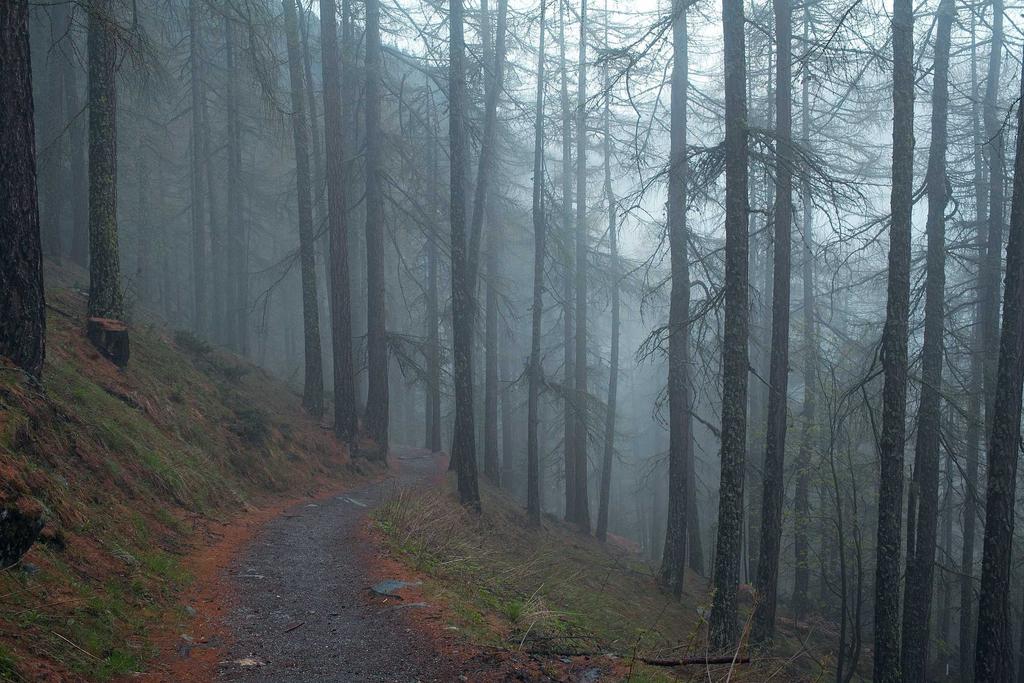
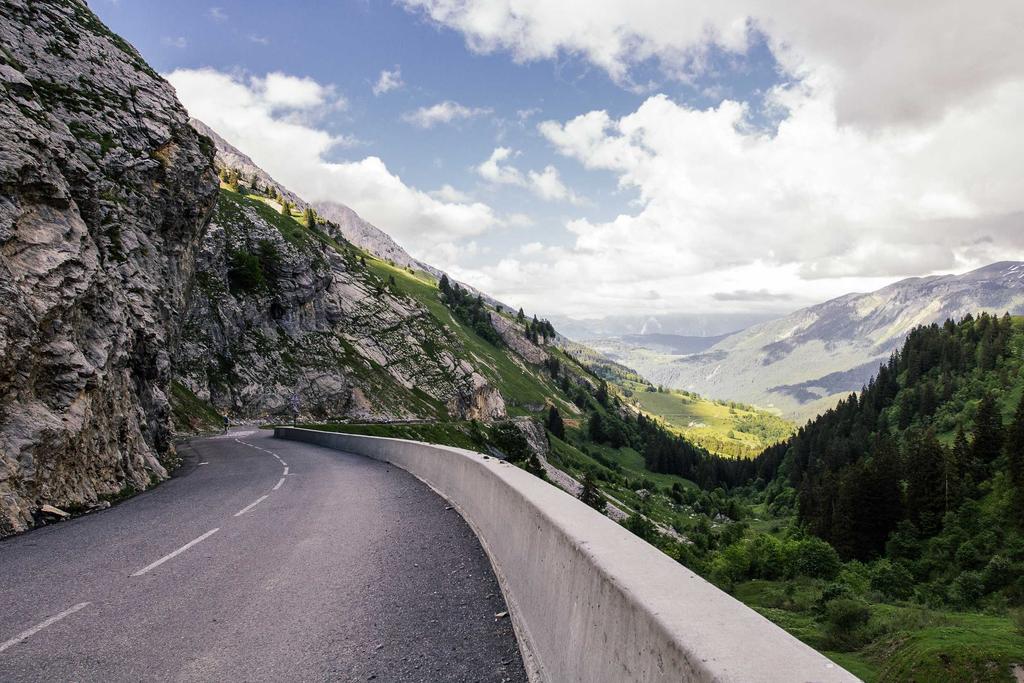
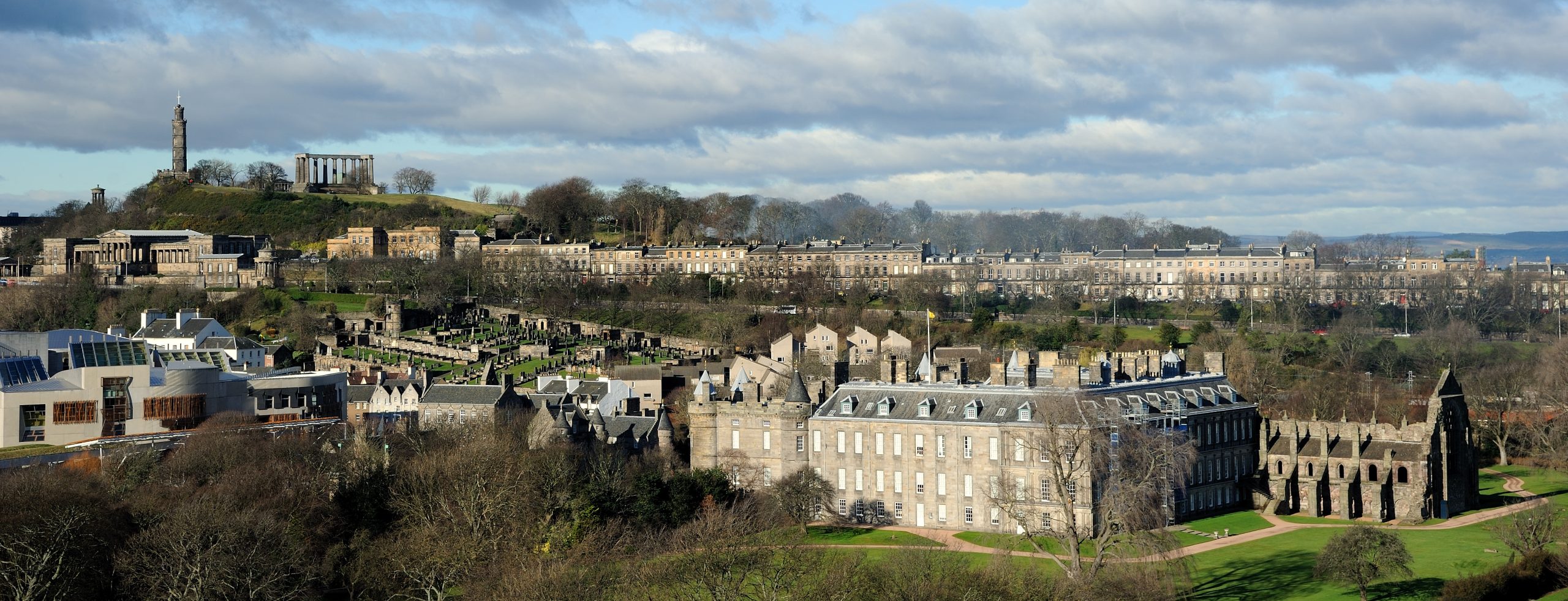
To my mind, the best thing in this the longest section of the book are the illustrations. Every page has several, and again and again they are quite stunning.
Andrew Hook is Emeritus Bradley Professor of English Literature at the University of Glasgow
By Andrew Hook | 23 February 2022