Recent events have brought back a memory of a holiday in Tenerife four years ago. We had gone to the hotel bar for a drink before going to bed. There was a small dance floor, and a group was playing 60’s music: our era. Few people were there, and nobody was dancing. It takes a bit to get me to the floor but the Beatles, Chubby Checker, the Bee Gees, and the wine did their job and we got up to do the only dances that keep my feet far enough from injuring my wife’s: the twist and jive. Of course, you can’t maintain this for long at our ages and we sat down for a rest and perhaps one last drink.
As we thought about it, the barman came up with two glasses of the wine we had been drinking. ‘With the compliments of the people over there’, he said, indicating the only other people sitting round the floor. We looked over and the four people smiled across and raised their glasses, so we crossed the floor to thank them, two couples perhaps two decades younger than us.
So began a pleasant evening of conversation with no need for any further dancing, during which we learnt a little of their lives and they of ours. One of them spoke with an accent I was very familiar with from my earlier years, that of rural Lancashire. When my wife asked him what he did, he replied: ‘I’ve got the worst job in the world’. It took a bit more questioning before he told us what it was. The next day they were on their flight home, and we never met them again.
Recently, I’m sure you like me have been wondering about human nature in light (or rather in the darkness) of revelations about the behaviour of some, perhaps many, of our UK parliamentarians. Over my decades as a doctor, in clinic and on the wards, I met people of all sorts and conditions. It is difficult to recall any who were other than polite, brave in face of adversity, and generous in gratitude even when I was unable to be of much help to them. I would say the same of almost all of those who have taught me, from school and throughout my career. People in general seem good. Even the few politicians I have met have seemed decent people.
On the rare occasions I have responded to an emergency, I have found individuals quickly gather to help, call an ambulance, or offer advice. Yet we have these examples of, almost always, men shouting abuse, harassing women, bullying, and generally behaving inappropriately.
As a child, I was warned about monkeys on my shoulders: a good one and a naughty one, whispering in my ears. It is a philosophical argument that goes back a long way – are humans intrinsically good or bad? If you want an optimistic view on this, I recommend Rutger Bregman’s brilliant book, Human kind: a hopeful history . My mother knew that both potentials were within me – all mothers know this, and they also learn that puberty favours the naughty monkey in either sex. I think that monkey is called testosterone. But the important extrinsic factors are the expectations of others and the need to feel part of a greater whole, be it a sports team, a gang, a tribe, or a nation. If you were ever part of a rugby team, for example, you quickly learnt that bad behaviour by one member in the bus or bar afterwards quickly spread to others. I wonder if it is the same in women’s rugby. I suspect it may be but perhaps a reader can tell me?
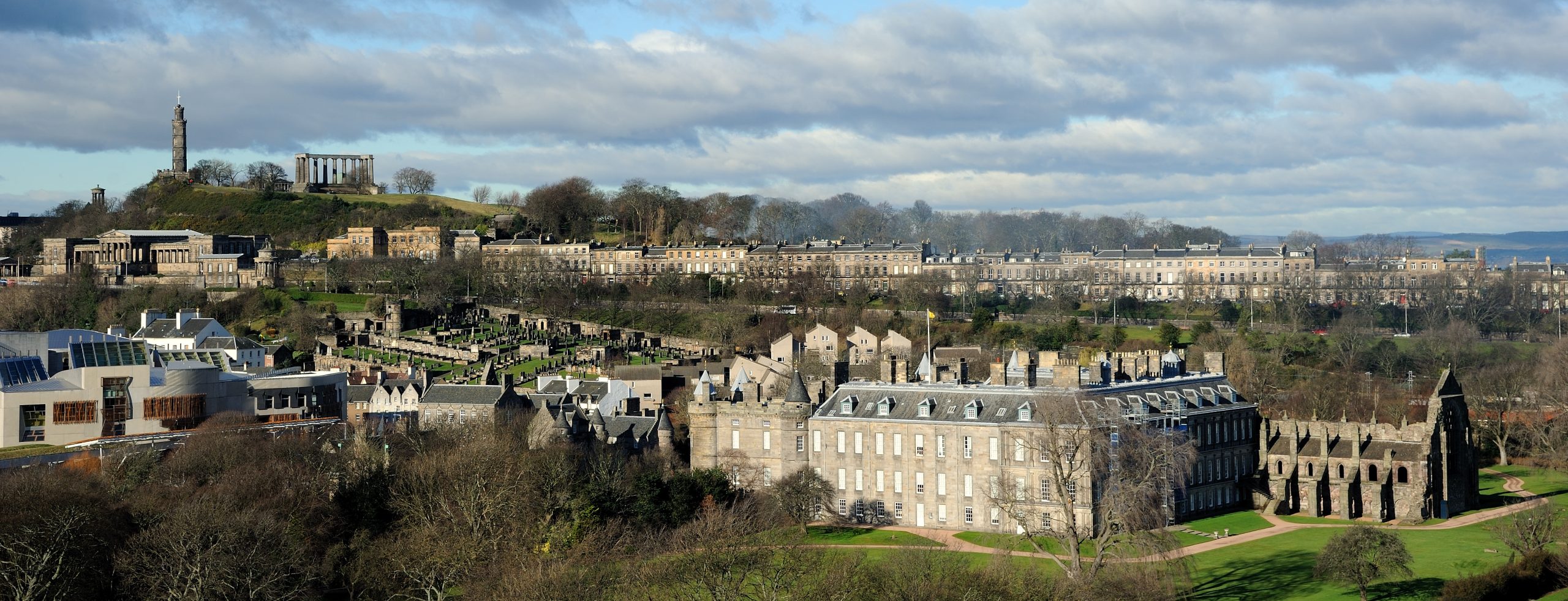
What is it that brings out the worst in our Members of Parliament? It is noticeable that it does not seem to happen so obviously in the Scottish Parliament nor in the House of Lords or many European ones, though fists may fly occasionally in some. It seems mainly to be the confrontational aspects of Prime Minister’s Questions which for as long as I can remember has been closer to a Punch and Judy show than to a debate. But the sleazy behaviour is more sinister, suggesting a culture of entitlement and misogyny.
Control of bad behaviour in groups comes down to two things: formal regulation with the threat of punishment, and the attitude and example of leaders. When the leaders themselves encourage or partake in bad behaviour, they lose control. The system in the UK House of Commons with an emphasis on point-scoring rather than rational debate and using ‘whipping’ by appointees with a dubious grasp on moral behaviour, appears to encourage this, leaving parliament no other option than strict enforcement of its, sometimes archaic, rules. This puts a heavy responsibility on the Speaker.
Shortly after our holiday, I watched the budget debate chaired by the Deputy Speaker. He seemed with his soft Lancashire accent much less abrasive, more conciliatory than the then Speaker, Mr Bercow. Not much later, I was pleased to see that he was elected Speaker by the House and I am beginning to see why he described his job as the worst one in the world. Of course, it isn’t – rather it is one of the most challenging and important jobs in Britain.
I see that Lindsay Hoyle is calling for radical reform of the House of Commons. He has the respect of all parties in the House and I hope very much that he succeeds. He is an animal lover and has a menagerie at home, but he also has a good monkey whispering in his ear, the same one that suggested he might buy us a drink.
Anthony Seaton is Emeritus Professor of Environmental and Occupational Medicine at Aberdeen University and Senior Consultant to the Edinburgh Institute of Occupational Medicine. The views expressed are his own
By Anthony Seaton | 10 May 2022