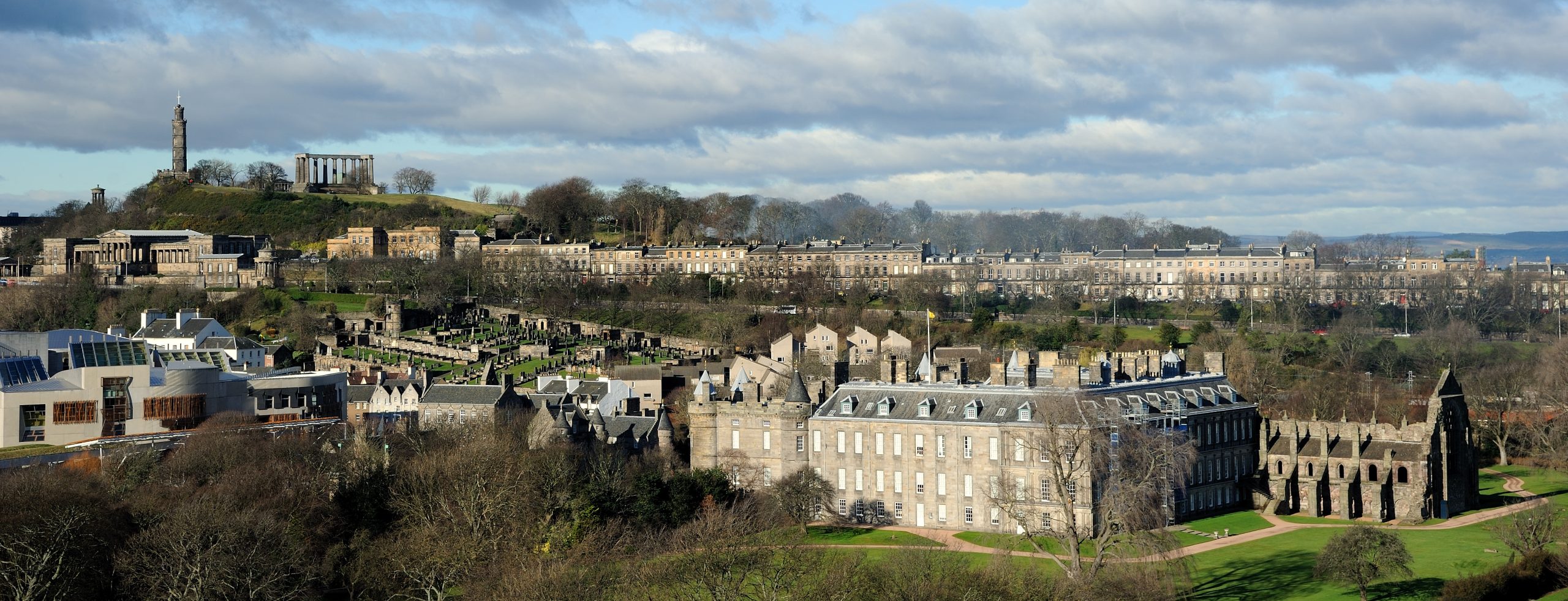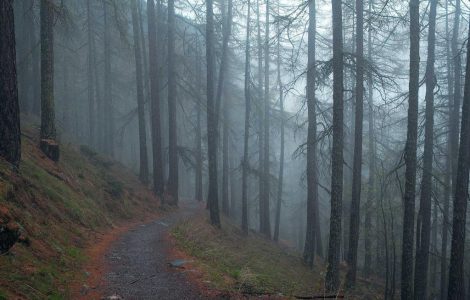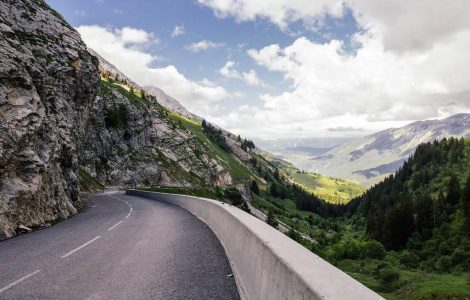


 Dundee. Photograph by Islay McLeod
I wish I knew more about Jainti Dass Saggar. Whenever he makes an appearance in the history books, he does so as Scotland’s first Indian councillor. He represented the same ward in Dundee from 1936 until his death in 1954. At his funeral, the then lord provost, William Hughes, said of him, ‘He came to Dundee from halfway across the world, but no son of Dundee had greater love for its people, or worked harder in their interests’.
Although it can be agreed that he belonged to Dundee by the end of his life, he had been born in the Punjab in northern India. He first came to Dundee in 1920 as a medical student at University College Dundee and after his training was complete he became a GP. He had a strong interest in public health and was very involved with Maryfield Hospital, which had previously been the Dundee East Poorhouse Hospital.
He became known as a doctor who worked hard for the poor of the city. In addition to his medical work, he was a supporter of public libraries and campaigns to set up nursery schools. It was that socially-committed reputation that assisted him to be selected by the Labour Party as a candidate for the 1936 council elections.
There was no suggestion that the Dundee Labour Party was being positively anti-discriminatory in its selection of a candidate from what we would now call a minority ethnic background; there was no Indian community in Dundee and, therefore, no Indian votes to be courted. The relationship that he had with people in his medical practice and his community activities were what prompted his selection and then his election and re-election.
Saggar was clearly a man who cherished the many parts of his identity – as an Indian, as a doctor, as a Dundonian, as a family man and as an elected representative. We are more familiar now with the concept of multiple identities; there are Asian Scots prominent in both business and politics; an Englishwoman was the first director of the National Theatre of Scotland and through her relationships with Scots communities and Scots writers the NTS has helped give voice to working-class Scottish experiences; there are expatriate lesbian Scottish writers whose voices continue to be shaped by their Scots upbringing as well as by other factors.
Some years ago, there was an advertising campaign that told us, in a dog whistle sort of way, that ‘Real Scots’ read a particular tabloid paper. It implied that there was some Scots archetype that we would all be able to imagine in our heads and although it never said so in so many words the implication was that the archetype was probably male, probably white, probably football-loving. The campaign was not so much about persuasion as tribal labelling.
I have no idea what a real Scot is and my view is that people are not so much born Scottish as become Scottish through their life experiences. Far more important than any physical characteristics or genetic history is the relationship between the individual and the Scottish social reality which they experience. On a personal note, I was born in Dundee and my family’s records go back as far as there were records in Angus; I was once complimented by a historian on my Pictish forehead – well, I think it was a compliment.
My mother became convinced from photographic evidence and from stories her father told her that she had an Asian forefather; the official records say otherwise but the photographs suggest that an Indian sailor may have been tempted by the lure of some irresistible Pictish features on Dundee’s Dock Street about 200 years ago. But whatever the truth about the Asian-Pictish dalliance, it was my upbringing that gave me a Scottish identity and made me see the wider world in a way that other Scots would recognise as similar to their own.
While I was shaped irrevocably by my upbringing in Angus, I have lived over half my life outwith Scotland; I have been shaped by these non-Scottish experiences but I have also contributed to them as someone with deeply embedded Scots values. My story is not unusual. Many of those with Scottish identities have similar stories of difference and diversification. There are many roads that run through Scotland in 2013.
Saggar was living in a city and in a time that expected people to have only one single identity and most of those around were shaped by class or religion. Growing up near Dundee, as I did towards the end of Saggar’s life, I cannot recall a lot of tolerance or acceptance of people who did not fit into tidy Scottish moulds. But perhaps Saggar’s life tells us that Scots society was more complex than the rules of the club would imply.
 Bob Cant was formerly the equal opportunities officer for the Scottish Council for Voluntary Organisations and is now a writer