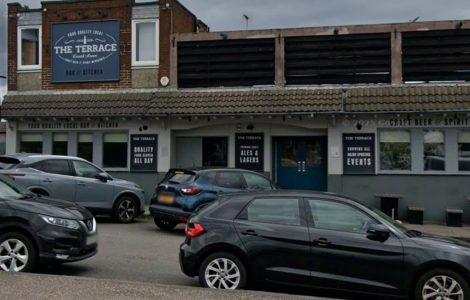

Edinburgh’s Licensing Board has given its approval for extended opening hours for pubs across the city during the upcoming World Cup this summer. This decision means that licensed premises holding a full licence, and which are equipped to broadcast televised sport, will be permitted to remain open for an additional 30 minutes following the conclusion of any World Cup match. This measure is specifically designed to allow football enthusiasts throughout the capital to gather and watch games live, including those fixtures scheduled for the early hours of the morning.
The initiative is widely expected to deliver a considerable economic boost to Edinburgh’s hospitality sector and contribute positively to the city’s broader night-time economy. Anticipation is high that venues will experience increased footfall and draw substantial crowds, particularly for key fixtures involving the Scottish national team. Councillor Louise Young, who serves as the convener of the Licensing Board, emphasised the cultural and economic significance of the tournament for the city.
Councillor Young stated: "We’re looking forward to a momentous occasion this summer, when Scotland participates in the World Cup, and we want to help everyone to enjoy the experience by coming together, whether it’s a city centre venue, or their local pub." She further elaborated on the benefits for local businesses, adding: "By agreeing to extend trading hours across all the city’s licensed premises which show sports, the Licensing Board is giving Edinburgh’s hospitality venues the opportunity to make the most out of the event, regardless of whether they are a club, pub, restaurant or hotel."
The extended trading hours will apply universally to every match played during the World Cup, ensuring that supporters from all nationalities residing in or visiting Edinburgh have the opportunity to follow their respective teams. This inclusive approach acknowledges and celebrates the vibrant diversity within the city’s population. Councillor Young underscored this aspect, saying: "Licensed venues can open late for any match during the World Cup, meaning fans of any nationality can watch their team, recognising the wonderful diversity of our city."
Following this approval, city council officials are set to proactively contact all eligible licensed venues. The purpose of this communication is to confirm whether individual premises intend to utilise the newly granted extended hours. Alongside this, venues will receive important reminders to thoroughly review their existing management arrangements. This includes a strong recommendation to consider implementing additional stewarding or security measures, especially to effectively manage the larger crowds anticipated for popular matches. The Licensing Board also affirmed its commitment to continuous monitoring of compliance throughout the duration of the tournament, reserving the right to adjust or revoke permissions if any significant concerns or breaches arise.
The scheduling of Scotland’s group stage fixtures presents some viewing challenges for supporters in the United Kingdom, making the extended hours particularly relevant. The national team is set to face Haiti on June 14, with kick-off at 2 am GMT. Subsequent crucial matches include an encounter with Morocco on June 19 at 11 pm GMT, followed by a game against Brazil on June 24, also at 11 pm GMT. The opportunity to experience these games live in a shared, communal atmosphere is expected to be a popular draw for fans across the capital.
This decision by the Edinburgh Licensing Board highlights a broader commitment within Scottish local governance to facilitate public engagement with major international sporting events. Scotland’s participation in global tournaments frequently generates widespread national enthusiasm, mirroring the collective pride observed during other significant events such as the Six Nations rugby. The city’s proactive approach aims to strike a balance between stimulating economic activity and ensuring responsible public enjoyment. This type of local authority decision-making is a fundamental aspect of the governance structure in Scotland, with licensing boards operating under regulatory frameworks established by the Scottish Government.
The broader scene of Scottish sport continues to evolve, encompassing various discussions and developments. Recent debates, for instance, have focused on topics such as VAR reviews in Scottish football, illustrating the ongoing adaptations in how sport is both experienced and governed across the nation. Beyond football, the deep-seated enthusiasm for national sporting achievements is also profoundly evident in the widespread public support extended to Scottish athletes during Olympic competitions. The World Cup, therefore, represents another significant moment for communal celebration and national pride within Scotland’s vibrant sporting culture.
Source: Herald Scotland