
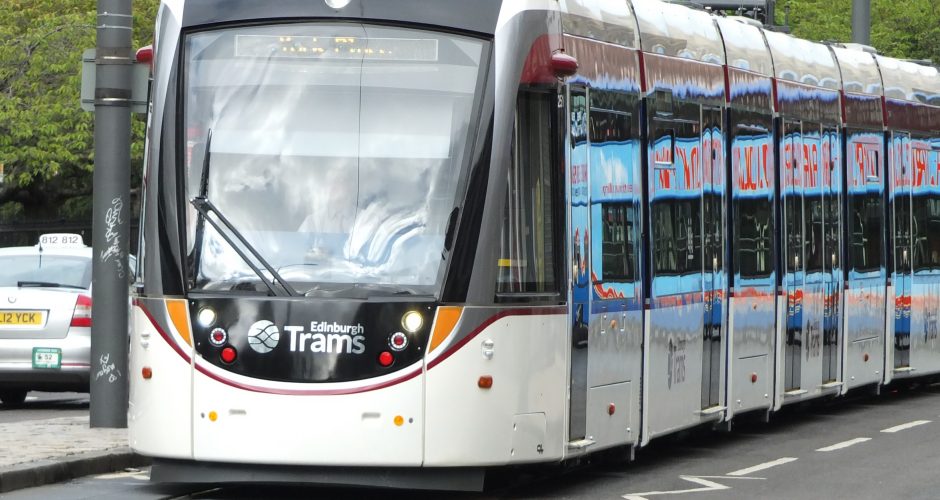
Edinburgh’s tram extension to Newhaven, which opened on June 7, 2023, has exceeded early projections and become a genuine success story in transport-led regeneration. The extension delivered a massive boost to the tram network’s overall usage, with customer numbers more than doubling after the Newhaven line opened, carrying 9.3 million total journeys across all Edinburgh trams in 2023, a 90 per cent increase on 2022.
The six new stops serving Leith Walk, Ocean Terminal, and the revitalized Newhaven harbour area have connected communities that for nearly 70 years had been cut off from the tram network. Daily ridership on the extended line averages robust numbers, particularly during summer months when cruise ship arrivals at Ocean Terminal bring additional tourist traffic to the system. The extension added 4.6 kilometres of track and comprehensive station infrastructure across one of Edinburgh’s most densely populated areas.
Leith has been the major beneficiary of improved tram connectivity. The transformation of Leith Walk’s streetscape since the tram arrived has been remarkable. What were once neglected thoroughfares now bustle with activity. Property prices have responded to improved accessibility, as investors gain confidence in the area’s future through permanent rail infrastructure. New restaurant, retail, and office developments have clustered around tram stops, with several Edinburgh technology companies relocating to Leith to take advantage of improved transport links and lower commercial rents compared to central Edinburgh.
I travel on the Newhaven line regularly, and there’s something about permanent rail infrastructure that simply unlocks confidence in property and business investment. A bus service, no matter how frequent or reliable, never catalyzes the same level of development. The tram gives an area a sense of permanence and priority that developers respond to.
The success comes after years of delay, cost overruns, and bitter political recrimination over Edinburgh’s earlier tram project. The original line from the airport to York Place opened in 2014, seven years late and £400 million over budget. The Newhaven extension faced similar problems, with construction taking 18 months longer than planned and costing £70 million more than initial estimates. These delays and cost overruns have become an unfortunate pattern in Edinburgh transport projects, making delivery of the Newhaven extension on anything approximating schedule a minor miracle.
However, ridership figures validate the investment. Transport for Edinburgh has announced plans to extend operating hours on Friday and Saturday nights to accommodate growing demand. Environmental benefits are clear: the tram extension has reduced car journeys by approximately 12,000 per day, contributing to improved air quality and reduced congestion. The tram’s electric propulsion means zero direct emissions, aligning with Edinburgh’s carbon neutrality targets.
Not everyone celebrates the tram’s success. Some Leith residents argue that improved connectivity has accelerated gentrification, driving up rents and displacing long-term residents who can no longer afford to live in the area. The familiar pattern of transport-led regeneration creating winners and losers is playing out along Leith Walk, raising difficult questions about how cities manage development whilst preserving community character.
Looking ahead, Edinburgh Council is conducting feasibility studies for further extensions to Granton and potentially to the BioQuarter at Little France. Given local government’s financial pressures, these projects are unlikely to proceed without significant Scottish Government or private investment. But the Newhaven line’s success has demonstrated that Edinburgh’s tram network, whatever its troubled history, has the power to transform neighborhoods and drive genuine urban improvement.