

 Yulia Solodyankina
The Scottish Review bade us a happy weekend with two fine, thoughtful pieces drenched in gloom and doom. The first, Kenneth Roy’s ‘Vanished without trace’ (22 August) was about people who chose to disappear; the second by Walter Humes (22 August) was about funerals loathed and loved. So it would be a weekend of the missing and the dead.
We don’t know why they disappear, if they weren’t abducted. Perhaps they weren’t really free to leave. Perhaps they were compelled by exterior forces (unbearable domestic circumstances, debts, aggressive threats) or interior miseries (broken relationships, a feeling of hopelessness). What they sought was a form of suicide, the loss of identity, the throwing off of the burden of selfhood. Not so easy, I think.
How do you document your new self – credit card, birth certificate, passport? How do you erase your memories, pleasant as well as painful? The old self has ways of bouncing back. For many of the people Kenneth Roy listed who have been gone for so long, they are either ‘presumed dead’ or have settled into a new life. If so, I wish them luck.
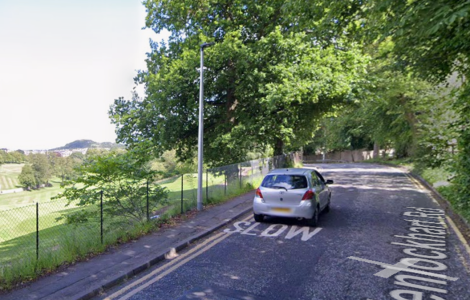
As for Yulia Solodyankina, who apparently has everything to live for in this life, there remains a mystery. The last footage in Glasgow on 7 June is not so long ago. It shows her leaving a shop. As Kenneth Roy relates, ‘when she left it she looked over both shoulders before disappearing out of view’. Now that does inject a note of menace.
Walter Humes’ ‘Why I, a non-believer, would prefer a religious funeral’ flummoxed me at first. I misread it to say ‘anon-believer’, that is, a believer who preferred to remain anonymous, as I suppose some in a secular society might regard belief as a secret sin. And sin calls to mind Frank Sinatra’s jaunty smile in his introductory photo before one reads that Walter Humes didn’t want to hear ‘My Way’ as his coffin disappeared behind the curtains (to be burnt).
I have gone to crematoria, assembly line funerals, where all the officiant had to do was to tick boxes. ‘He was a loving husband’ (titter: he never married), ‘a caring father’ (groans: no children)… Those occasions left a bad taste. Walter Humes also referred to ill-considered praise for people, public figures, known to be scoundrels. We would wonder how much the celebrant had been bribed to deliver such glaring falsehoods.
I was too young and upset to recall my mother’s funeral, but I remember the officiating rabbi whom I liked and respected for his scholarly wisdom (he did his PhD on the Jewish philosopher and heretic, Spinoza, who received cherem, excommunication, for his views).
Another rabbi presided over my beloved grandmother’s funeral. I missed her last days because I was teaching in Wisconsin, before returning to California for the funeral. The rabbi made the fatal error of getting all his biographical information from a cousin of mine who I thought was messhugeh (nuts).
The rabbi turned my grandmother into a woman of sorrows, constantly mourning the loss of her husband and daughter, my mother. When he finished his terribly distorted overview of her life, I got to my feet. ‘I shall say a few words about my grandmother,’ I said with a voice that permitted no refusal. I turned to the old ladies in the front row, her friends and fellow members of her organisations. ‘She had the strength of Mrs X (gesturing towards her), the humour of Mrs Y (again), the speaking ability of Mrs Z’, etc, etc. Then I sat down.
Walter Humes reflects on how he wants his own funeral to be conducted. Wise thoughts, better than life insurance. The best conducted, recent funeral I attended was for a history colleague. What I remember especially were the humorous, amiable, but not excessive tributes from colleagues and friends who knew him well. That left everyone feeling glad to have known him.
As for my own funeral, I already have chosen the liberal rabbi I want to conduct it. I heard him recount the life of a deceased congregant, so eloquently and sensitively that I approached him immediately afterwards. ‘Rabbi,’ I said, ‘I want you to conduct my funeral. I’m only sorry that I cannot specify an exact date.’