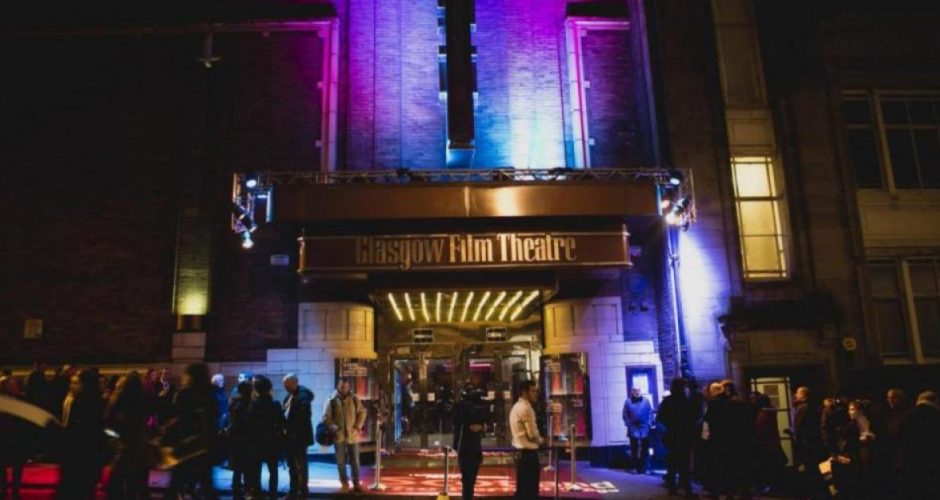
When the Glasgow Film Festival rolls around each year, I always feel a wee spark of pride for our city. It is not just about the glamour of premieres or the big names, though there are plenty of those. What truly sets the GFF apart, for me, is its unwavering commitment to making cinema accessible to everyone, from the seasoned cinephile to the family looking for a Saturday morning treat.
This year, for its 22nd edition, the festival is really doubling down on that ethos of inclusion. Running from February 25 to March 8, it is a proper fortnight of film, spread across various Glasgow venues, with the Glasgow Film Theatre (GFT) as its beating heart. They are showing an impressive 126 films from 44 different countries, including a significant number of world, European, UK, and Scottish premieres. It is a testament to Glasgow’s place on the global cultural map.
But the real magic lies in the free and affordable events. I am talking about the daily free screenings of the “Truth to Power” retrospective, a series of ten films from the 1930s right up to 2014. These are films that challenge authority and celebrate resistance, like Ava DuVernay’s Selma or Stanley Kubrick’s Dr Strangelove, even a 50th anniversary screening of All the President’s Men. Imagine, getting to see these cinematic giants for nothing, just by turning up at the GFT box office on the morning. That is culture for the people, exactly as it should be.
And it is not just for the adults. Every Saturday morning, families can enjoy the “Take 2” free screenings at the GFT. This year, they are showing films like The Eagle Huntress and The Children of Bullerby Village. It is a brilliant way to introduce bairns to the joy of the big screen, with each child getting a free ticket for themselves and their accompanying adult. It is thoughtful touches like these that truly make a difference in our community.
The festival also goes out of its way to engage the local community directly. The GFF Community Takeover Day, for instance, invites residents to a Community Planning Meet-Up where they can actually choose films, food, and activities for everyone to enjoy. It is a wonderful idea, letting the people shape their own cultural experience. Similarly, the Glasgow Film Young Ambassadors are behind the Youth Takeover, curating a free pop-up screening of Rebuilding for under-25s, complete with activities, live music, and food. This celebration of diverse voices feels like a natural extension of the broader cultural initiatives we see across Scotland, even something as specific as World Gaelic Week, which champions our unique language and heritage.
Speaking of music, the Youth Takeover also features a one-off set from Kirsten Adamson, daughter of the legendary Stuart Adamson of Big Country and The Skids. That is a fantastic nod to Scottish musical heritage, weaving it into the fabric of the film festival. It is these little connections that make me feel that the festival truly understands its roots and its audience.
For those aspiring to a career in film, the Behind the Scenes BFI Youth Industry Day on Saturday, February 28, is an unmissable opportunity. It is an action-packed day of workshops and talks, featuring remarkable talents from the industry. While primarily aimed at 15-25 year olds, many sessions are open to all, apart from a specific SFX Makeup workshop. Nurturing young talent, whether in film, music, or literature, is vital for our nation’s future, much like celebrating our rich literary heritage, a topic I covered recently in Scottish Books Worth Reading in 2026.
Glasgow, a city often seen in friendly rivalry with Edinburgh, truly shines when it embraces its cultural side with such gusto. The GFF is not just a collection of screenings; it is a vibrant hub of activity, a place where stories from around the world meet our own Scottish narratives. It reminds me a bit of the spirit you find at the Aberdeen Jazz Festival, where art is brought directly to the people, fostering a sense of shared experience and discovery.
The introduction of a new Film Club also suggests the festival is always looking for new ways to engage. I believe that supporting cultural events like the GFF is crucial for the health and vibrancy of our society. It is about more than just entertainment, it is about education, connection, and the sheer joy of shared experience. When I see the effort put into making these events free or affordable, it really hammers home the value of what Glasgow offers. It is a festival that truly feels like it belongs to the city, a beacon for film lovers and future filmmakers alike. Long may it continue to thrive, bringing the magic of cinema to every corner of our dear green place.
You can find more information about supporting Scottish film and culture through organisations like Screen Scotland.
Source: News reports