
Oil prices have surged to their highest level since January 2025 as the conflict in the Middle East raises fresh questions about global energy security. Brent crude jumped 4.7 per cent to reach 81.40 US dollars a barrel, driven by fears that the war involving Iran could disrupt supply through the Strait of Hormuz.
Roughly one fifth of the world’s oil passes through the narrow waterway, and any sustained disruption would have severe consequences for global markets.
North Sea Implications
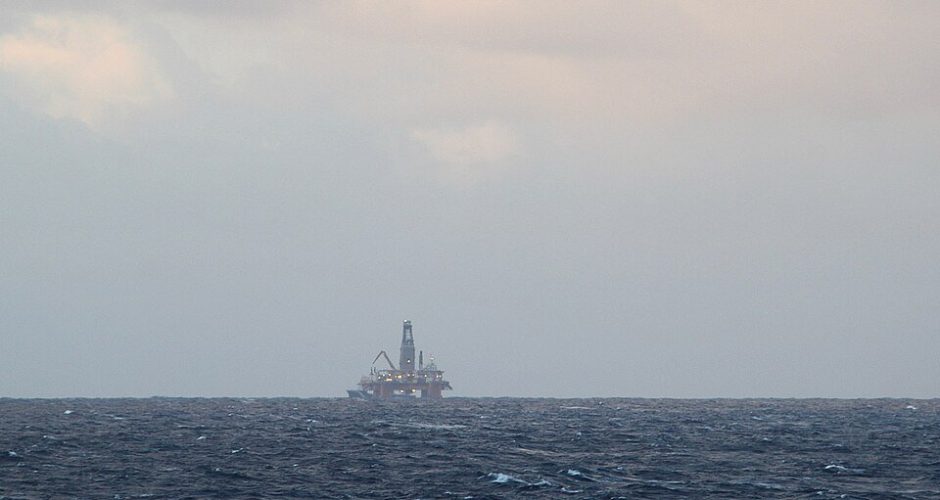
For Aberdeen and northeast Scotland, higher prices improve the short term economics of North Sea production and could support investment in existing fields. However, the rally is driven by geopolitical instability rather than improved fundamentals, and the North Sea basin continues to face challenges from declining production, ageing infrastructure and uncertainty around windfall taxation and the energy transition.
Analysts have warned that if the conflict widens or continues for an extended period, oil prices could rise well above 100 dollars a barrel. European stock markets stabilised somewhat on Tuesday after earlier falls, though energy intensive sectors remain under pressure.