It’s a dour truth, isn’t it, that even in our bonnie Scotland, there are dark corners where folk are exploited. We like to think of ourselves as a nation of good neighbours, a place where people look out for each other, but the reality can be a wee bit grimmer.
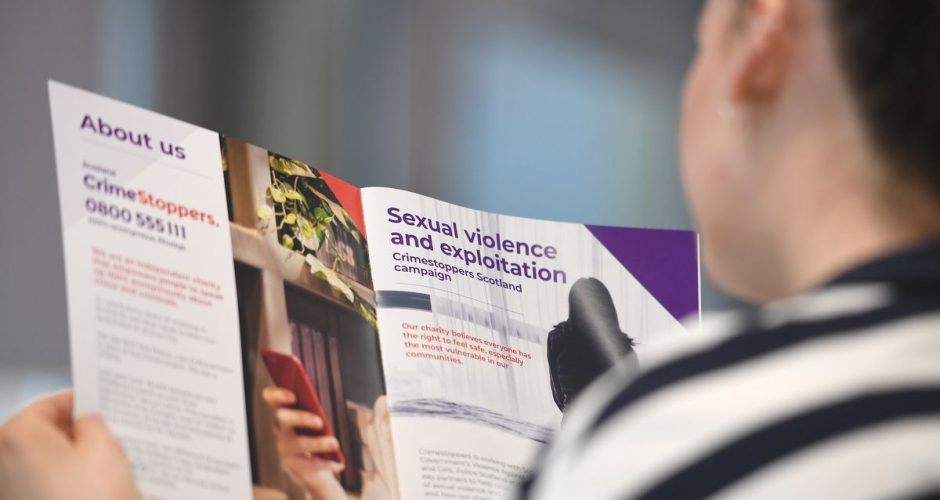
That’s why I’ve been thinking about this new campaign from Crimestoppers Scotland. They’re asking the public to report suspected brothels or ‘pop-up’ prostitution venues. On the face of it, it sounds like a straightforward call to action, trying to flush out something nasty from our midst.
The anonymity bit is key, mind. We Scots can be a private bunch, and there’s a fear of sticking your nose in, or worse, getting tangled up yourself. Crimestoppers are making it crystal clear that you can share information without fear of blame or arrest, which is an important promise. Angela Parker, the National Manager for Crimestoppers in Scotland, put it plainly, saying: “Everyone deserves to feel safe, especially the most vulnerable in our community. We hear about violence ranging from threats through to rape and murder.” That’s a stark reminder of the dangers involved.
It’s not just about reporting a building, though, is it? It’s about the people inside, the ones who are often trapped and exploited. The campaign wants to encourage those involved in selling or exchanging sex to speak up if they know someone being threatened or assaulted. That takes real courage, and it relies on trust.
I find myself wondering about the support systems in place for these individuals once a ‘pop-up’ venue is, well, popped. It’s all very well to shut down a place, but where do the vulnerable folk go next? Are there enough resources, especially when local councils are running out of money and services are stretched thinner than a Glasgow tenement wall?
Victims and Community Safety Minister Siobhian Brown confirmed the Scottish Government is backing this, stating: “This campaign, supported by Scottish Government funding, aims to encourage those involved in prostitution and other forms of commercial sexual exploitation (CSE) to access support and report concerns.” It also seeks to widen community awareness, which is a good thing, because often these activities hide in plain sight.
But is it enough, I wonder? Just reporting a brothel feels a bit like treating a cough when the patient has pneumonia. It addresses a symptom, but not the deep-seated illness that leads to exploitation in the first place. We need to be asking tougher questions about why people end up in these situations. Poverty, addiction, coercion, lack of opportunity, these are the grim drivers that push folk into such desperate circumstances.
It’s not just a problem for big cities like Glasgow or Edinburgh either. These ‘pop-up’ venues can appear anywhere, in quiet towns and even rural areas, using rented accommodation or hotels. Support staff in these places are being asked to spot the signs, which is sensible, but it places a heavy burden on them too.
I think about the broader scene of Scottish politics, power, and policy. Are we doing enough as a society to tackle the root causes? This campaign is a welcome step in bringing hidden exploitation to light, but it can’t be the only step. We need full support for victims, strong education, and a relentless focus on disrupting the criminal gangs who profit from human misery.
Angela Parker’s words resonate when she says: “Your information could stop someone being hurt and may even save a life.” That’s a powerful motivator. Crimestoppers has been keeping its promise of anonymity since the late 1980s, which is a testament to their reliability. People need to know they can trust the system.
This issue touches on the very fabric of our communities, and it’s a conversation that needs to be had openly, even when it’s uncomfortable. As we approach important political moments, like the period leading up to the Holyrood Election 2026, I hope our politicians are thinking about more than just reporting. I hope they’re considering how to build a Scotland where exploitation has no place to hide, and where every vulnerable person has a real path to safety and a better life.
It’s a hard road, this, but one we can’t shy away from. We need to do more than just point the finger; we need to offer a hand, and truly understand the complexities of the lives caught in these dark corners. For more information on support services for those affected by commercial sexual exploitation, you can visit the Scottish Government website or contact national helplines like Rape Crisis Scotland.
Source: Glasgow Live