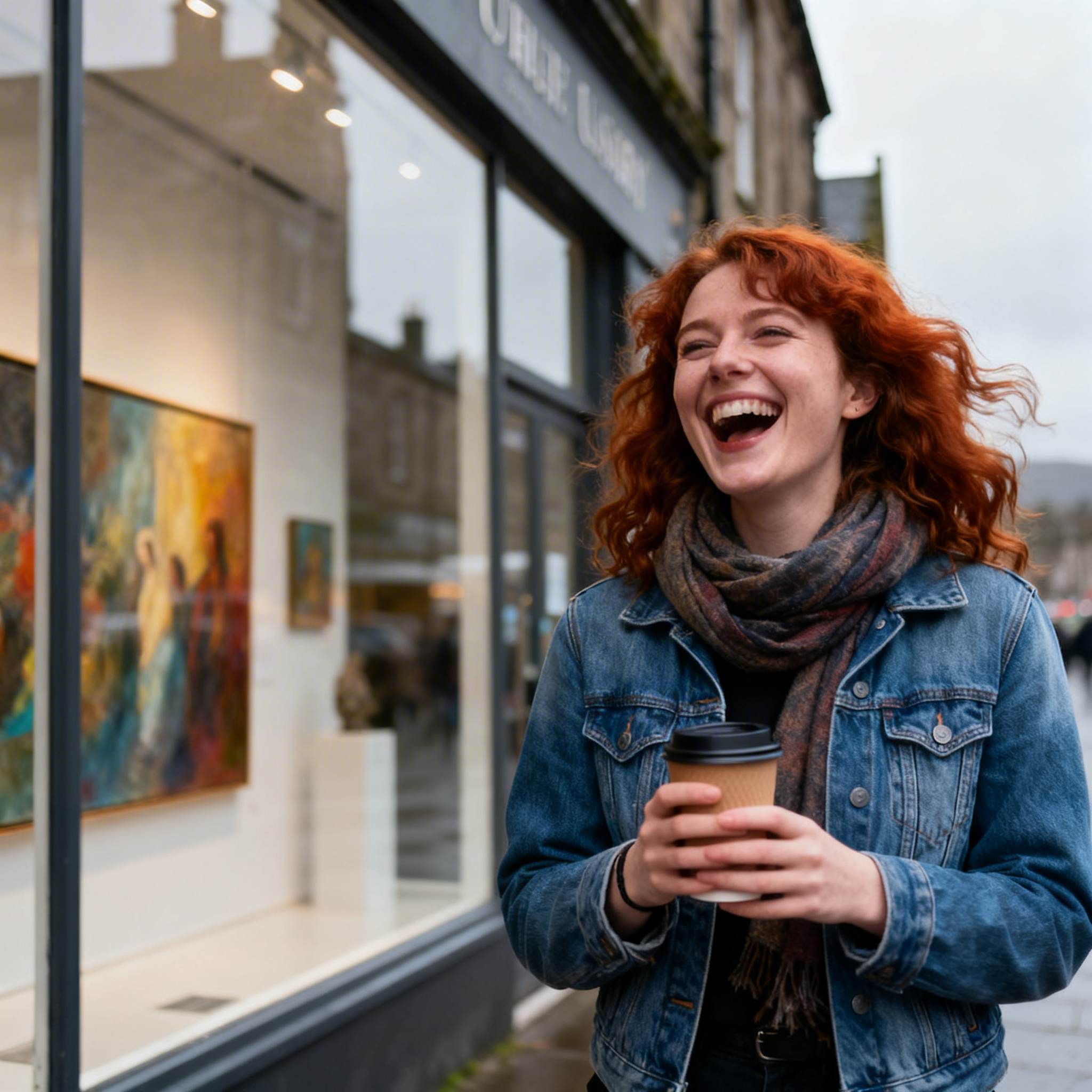
Scotland punches above its weight in festival culture. For a nation of five million, we host an astonishing number and variety of festivals: arts, music, food, film, literature, whisky, science, comedy. Some are globally significant. Others are local affairs that provide insight into Scottish culture beyond tourist attractions. Here’s what’s worth attending in 2026, from massive international events to hidden gems.
Edinburgh Festival Fringe (August)
The Fringe is the world’s largest arts festival, with over 3,500 shows across hundreds of venues. Every comedian who becomes successful performed at the Fringe. Every theatre company seeking international exposure brings work here. It’s overwhelming, exhausting, expensive, and absolutely worth experiencing at least once.
The Fringe has no curators or selectors. Anyone can register a show. This democratic approach means lots of rubbish alongside the brilliant. Navigating requires research, reviews, and willingness to take chances on unknown performers.
My advice: see established names you enjoy, but also book several shows based purely on intriguing descriptions or venue recommendations. The Fringe’s joy is discovering performers before they’re famous. I saw comedians who now sell out arenas, performing in 50-seat basements for audiences of twelve.
Avoid Royal Mile street performers (mostly mediocre). Read reviews from Chortle, The Scotsman, and The Stage. Book accommodation months in advance (prices triple during August). Accept that Edinburgh in August is crowded, expensive, and unlike normal Edinburgh. It’s still magic.
Edinburgh International Festival (August)
Running alongside the Fringe, the International Festival is curated, prestigious, and focuses on classical music, opera, theatre, and dance. This is high culture, often featuring internationally renowned companies and performers.
Tickets are expensive but generally worth it. The Festival brings performances to Edinburgh that wouldn’t otherwise visit. If you enjoy orchestral music, opera, or serious theatre, the International Festival delivers world-class work.
The Opening Event (always free) features outdoor spectacle, usually involving pyrotechnics, projections, and large-scale performance. It’s family-friendly and accessible, providing taste of the Festival without cost.
Celtic Connections (January)
Glasgow’s Celtic Connections is Europe’s premier celebration of Celtic music. Over 300 events across three weeks feature traditional Scottish, Irish, Breton, and Galician music alongside contemporary artists influenced by Celtic traditions.
I’m not a folk music devotee, but Celtic Connections is consistently excellent. The programming includes well-known artists (The Chieftains, Solas, Julie Fowlis) alongside emerging talent and experimental collaborations between traditional and contemporary musicians.
The festival atmosphere is warm and unpretentious. Audiences actually listen rather than treating music as background. Late-night sessions in Glasgow venues create intimate encounters with exceptional musicianship. If you think folk music is stuffy or boring, Celtic Connections will change your mind.
Hogmanay (December 31st)
Edinburgh’s Hogmanay celebration is Scotland’s biggest New Year’s party, attracting 100,000 people to street parties, concerts, and fireworks. It’s crowded, cold, and requires tickets purchased months in advance. It’s also genuinely special if you enjoy large-scale celebrations.
The Street Party features multiple stages with DJs and live music. The Midnight Moment includes fireworks over Edinburgh Castle, visible across the city. The entire event feels like being at a massive, well-organised outdoor party where everyone is determined to have a good time.
Smaller Hogmanay celebrations happen across Scotland. For more intimate experiences, try Stonehaven’s Fireball Festival (locals swing flaming balls of fire through streets) or Burghead’s Burning of the Clavie. These ancient fire festivals feel genuinely pagan and atmospheric.
T in the Park’s Legacy: TRNSMT
T in the Park was Scotland’s largest music festival until it ended in 2016. TRNSMT Festival replaced it, held in Glasgow Green each July. It’s a standard modern festival format: multiple stages, mainstream and indie rock, significant crowds, and commercial partnerships.
TRNSMT lacks T in the Park’s emotional resonance (decades of history matter), but it’s a well-run festival featuring current popular artists. If you want a summer music festival without travelling to England, TRNSMT delivers.
The line-up tends toward indie rock, pop, and electronic music. It’s accessible, family-friendly during daytime, and typical festival atmosphere by evening. Nothing groundbreaking, but consistently solid programming.
Edinburgh International Book Festival (August)
Running alongside other Edinburgh August festivals, the Book Festival brings authors from around the world for readings, discussions, and debates. It’s civilised, thoughtful, and features genuinely interesting conversations with writers you admire.
Venues are lovely: tented spaces in Charlotte Square Gardens, creating intimate atmosphere for author events. Tickets are reasonably priced. The audience is engaged and asks intelligent questions. This is book festival done right.
The children’s and young adult programme is particularly strong, introducing young readers to authors and fostering genuine enthusiasm for books. If you have children, the Book Festival is an excellent family activity that doesn’t feel like educational obligation.
Smaller Festivals Worth Attending
Shetland Folk Festival (April/May) showcases traditional music in spectacular island setting. It’s intimate, friendly, and features musicians from Shetland and beyond. Getting to Shetland requires commitment (flights or overnight ferry), but the festival is genuinely special.
Orkney Folk Festival (May) is similarly excellent, celebrating Orkney’s musical traditions and attracting international folk musicians. Both island festivals feel like genuine community celebrations that welcome visitors rather than tourist events.
Ullapool Guitar Festival (October) is niche but exceptional. International guitarists perform in Ullapool, a small Highland fishing village. The incongruity of world-class guitar performance in remote Scotland is part of the charm.
Food and Drink Festivals
Taste of Edinburgh (July) and Foodies Festival (various locations, summer) celebrate Scottish food and drink. They’re pleasant family outings with stalls, demonstrations, and opportunities to try local produce.
Whisky festivals occur across Scotland, from large commercial events to small distillery open days. Islay Festival (Fèis Ìle, May) is the biggest, with distilleries hosting special tastings and events. If you enjoy whisky and want to visit Islay, Festival week is ideal.
The Spirit of Speyside Whisky Festival (April/May) offers similar opportunities in Speyside, Scotland’s whisky heartland. These festivals are as much about visiting regions and meeting enthusiasts as tasting whisky.
What Makes Scottish Festivals Special
Scale matters. Even large Scottish festivals like the Fringe feel navigable compared to massive English festivals. You can attend multiple events daily without exhausting yourself.
Accessibility is another factor. Many festivals have free events alongside ticketed performances. Edinburgh’s Festival City Theatres initiative provides discounted tickets for local residents. Festivals aim to be inclusive rather than exclusive.
Most importantly, Scottish festivals generally feel like celebrations rather than commercial operations. Yes, they’re organised and ticketed and sometimes expensive. But the atmosphere emphasises participation and enjoyment rather than consumption and status.
Planning Your Festival Year
If you’re visiting Scotland and can align with festivals, plan around them. Edinburgh in August is festival city (overwhelming but unique). Glasgow in January for Celtic Connections offers winter warmth through music. Summer brings outdoor festivals across Scotland.
Book accommodation early. Festival periods drive prices up and availability down. Consider Airbnb or staying outside city centres with good public transport connections.
Buy tickets in advance for popular events but leave space for spontaneity, particularly at the Fringe. Some best experiences come from last-minute decisions based on overheard recommendations.
The Festivals You Haven’t Heard Of
StAnza (St Andrews, March) is Scotland’s international poetry festival. Small, focused, featuring excellent poets reading and discussing their work. If you’re poetry-curious rather than devoted, StAnza is accessible introduction.
Bloody Scotland (Stirling, September) celebrates crime writing, Scotland’s thriving genre. Authors including Ian Rankin and Val McDermid appear alongside emerging writers. If you read crime fiction, Bloody Scotland is community gathering for enthusiasts.
Edinburgh Science Festival (April) makes science accessible and entertaining. Interactive exhibits, author talks, demonstrations, and debates appeal to all ages. Science festivals often struggle to attract non-specialist audiences; Edinburgh’s succeeds.
Scotland’s festival culture is one of our genuine cultural achievements. It brings people together, celebrates creativity, supports artists and performers, and creates moments of shared experience that feel increasingly rare. Whether you’re attending the Fringe’s chaos or Ullapool’s intimate guitar performances, you’re participating in culture that’s alive and valued. That’s worth celebrating, and worth your time.